Extra-large speaker and "Chigusa by the Sea"
I'm completely immersed in jazz again tonight.
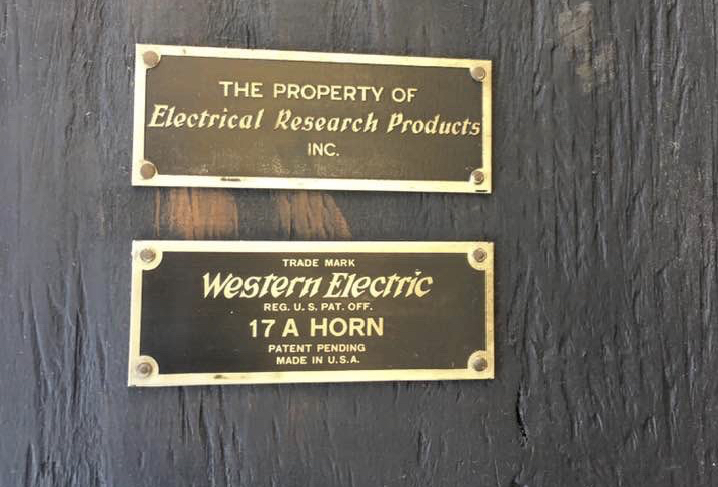
File.4 Speakers manufactured by Electric Research Products
Mayuko Niimura (Jazz Cafe Chigusa)
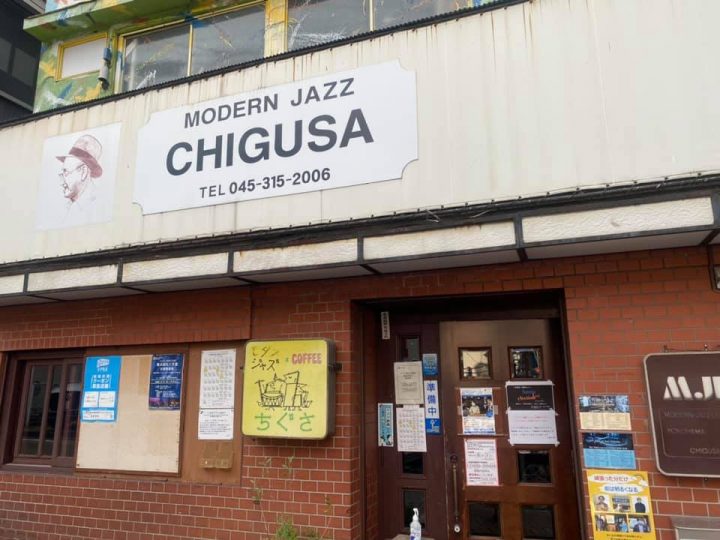
Chigusa is home to custom-made speakers designed in the 1970s. The tweeters and amplifiers were also custom-made, so many audiophiles travel long distances just to hear " the Chigusa sound." It features a 4-way multi-amplifier system, which is considered an ideal audio system, and is characterized by its ability to reproduce the rich and deep sound of records, comparable to that of a vacuum tube amplifier.
However, this method requires immense patience to tame a wild horse and considerable system knowledge to master. After the restart of Chigusa , there were several instances of the sound becoming muffled, which was very worrying. I tried to appease it and keep it happy, but I finally decided to perform a major overhaul in 2016. Since then, I have been able to provide stable " Chigusa sound".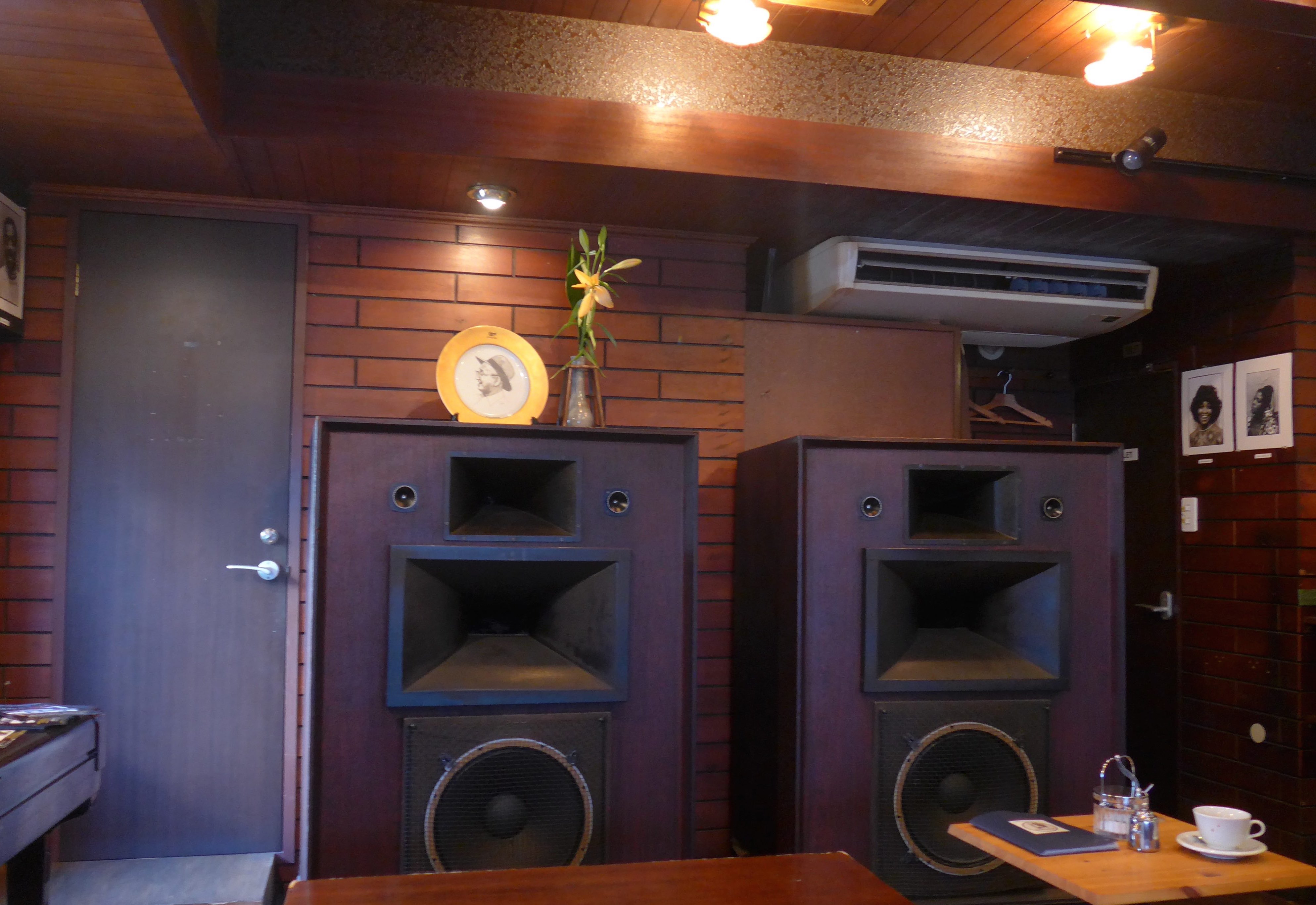
Many of Chigusa 's regulars are sound engineers for major media companies or people who have worked for audio equipment manufacturers for many years. When you listen to them talk, you often get the feeling that their homes are like complete sound systems, and you can imagine that they own a considerable number of records.
A recent topic of discussion is where to put these "treasures," such as records and audio equipment. Many of these collectors are elderly, and in recent years, there has been an increase in inquiries from people saying, "I'd like to sort through my collection, so would Chigusa take them off my hands ?"
What particularly caught my eye was the extra-large speaker, measuring 160cm square, even bigger than Chigusa 's speakers. Since there were limitations in their 10-tsubo (approx. 33 square meters) shop in Noge, they had been racking their brains trying to figure out how to make it work when, by chance, an opportunity to utilize a certain space came their way.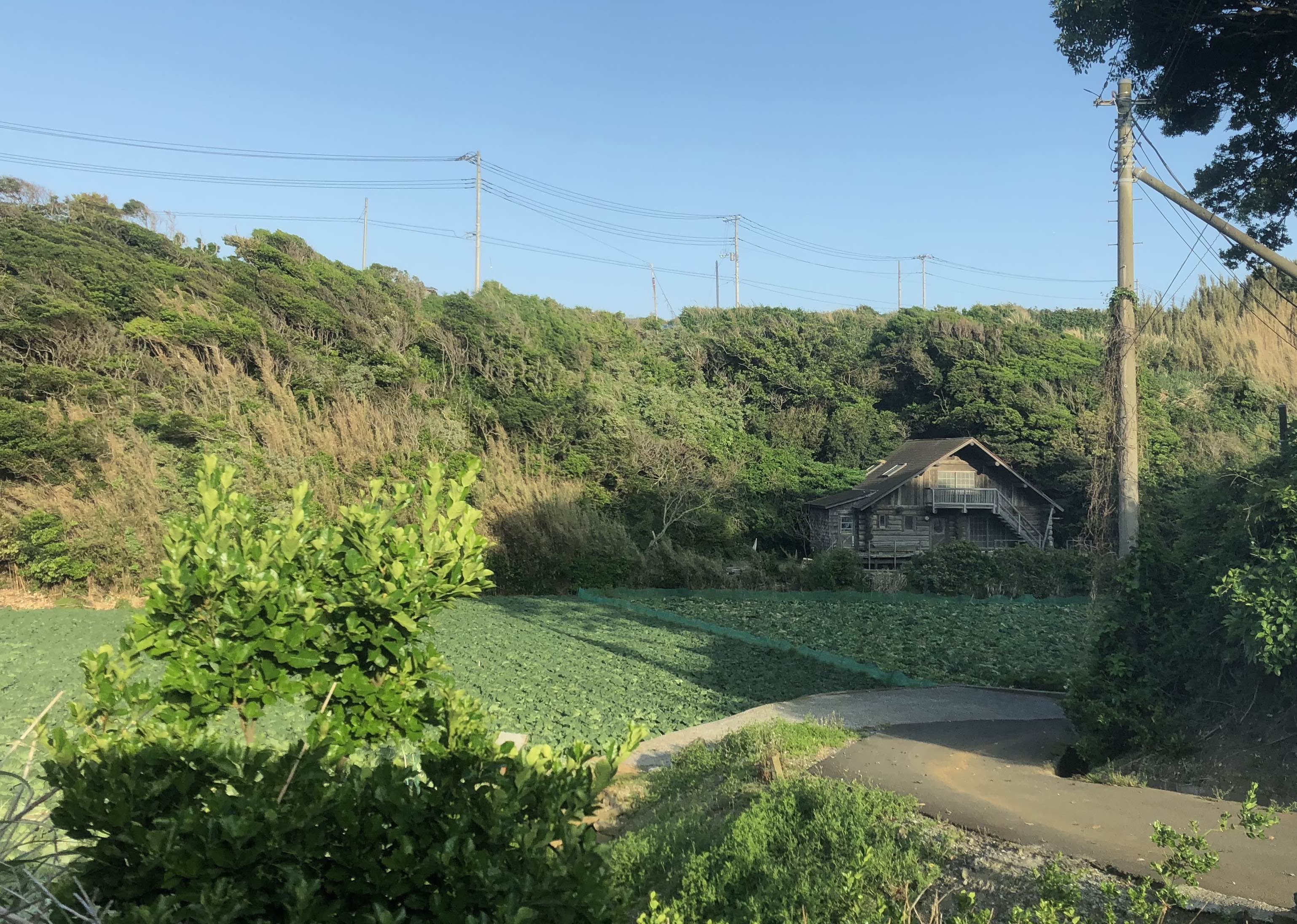
The location is a 30-year-old log cabin near Kannonzaki, about a 20-minute bus ride from Miura-Kaigan Station on the Keikyu Railway. The property is owned by someone associated with Chigusa and had been unused for a long time, but when they mentioned the extra-large speakers, the idea quickly materialized with the suggestion, "Let's just move them to the log cabin!" Furthermore, the idea of a "Chigusa by the Sea" was conceived because it would be a waste to simply use it as a warehouse. The plan was to turn the entire log cabin into a jazz café.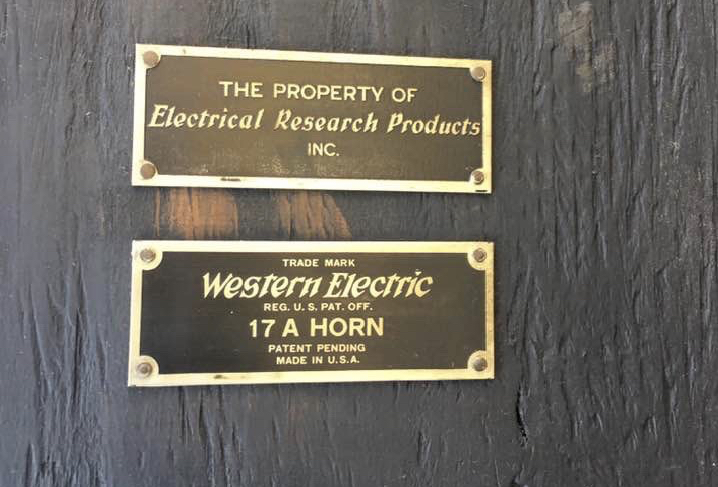
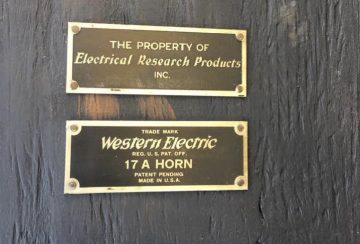
The extra-large speaker crammed into the log cabin is American-made. It belongs to Electric Research Products, a company founded in 1928 to handle sound equipment for studios and theaters. It was the predecessor of Altec. True to its name as a wideband loudspeaker, it maintained clear sound even at the loud volumes of a movie theater and was also used for military broadcasting.
Although the one I received is for home use, it's still quite large. It even has a horn. A horn is used to concentrate sound energy and deliver the sound more efficiently to listeners at a distance. There are no houses nearby, and the sea is only about a 30-second walk away. It's an environment where I can play it as loud as I want without anyone complaining.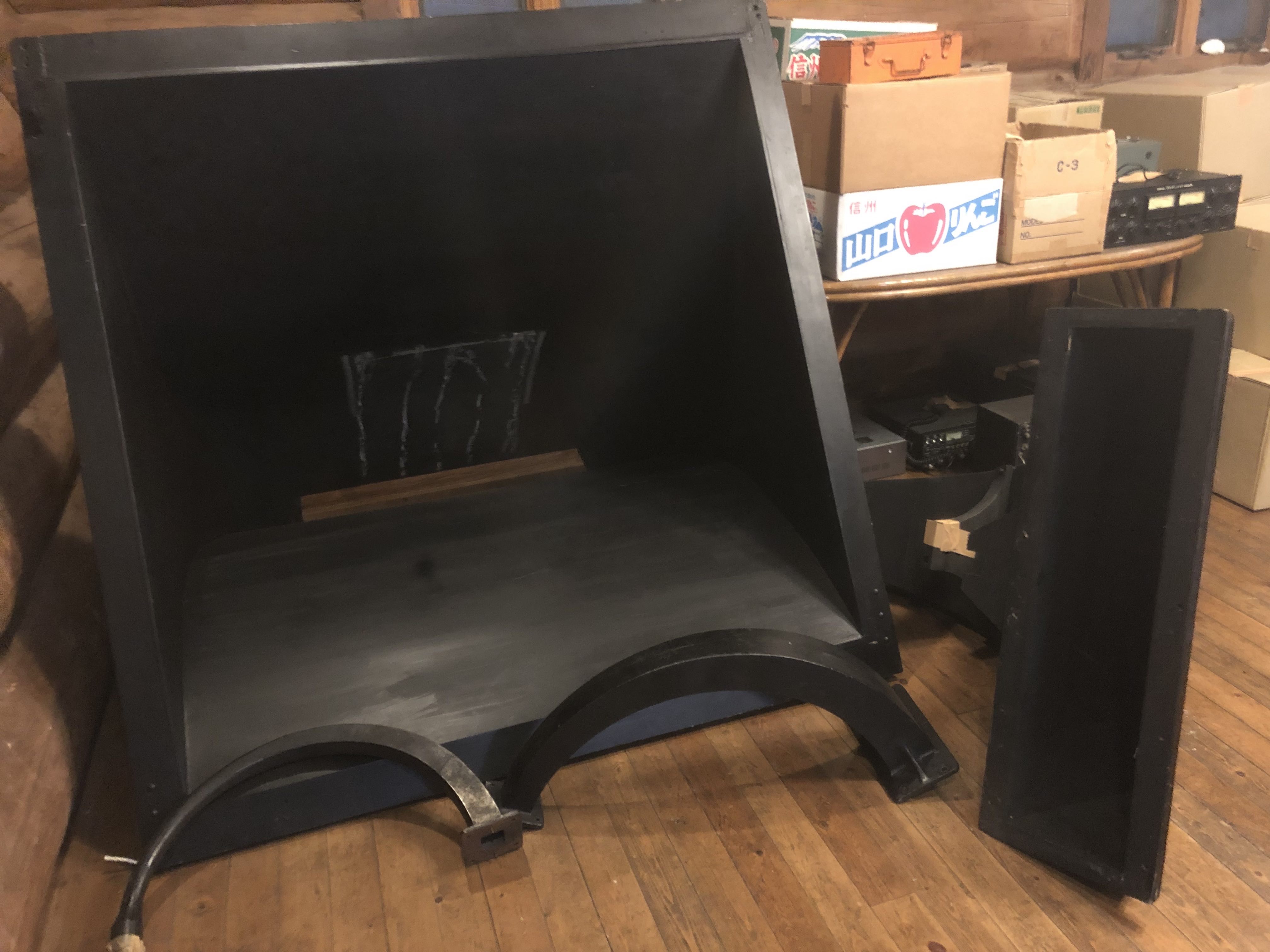
I can't wait to try it out. I wonder what a radish grown listening to jazz coming from a horn will taste like...?
The speakers from Noge Chigusa and the speakers from Umibe no Chigusa . These two sound devices, created by bringing together the feelings of many people towards Chigusa and the wisdom of sound, are the foundation upon which a new jazz story is about to begin in Miura.
When "Chigusa by the Sea" opens, it would be interesting to bring along some of Chigusa 's regulars to compare the sound systems. I can already picture the heated and lively discussions about acoustics taking place.
I would love for many people to come and listen, and I hope it will become one of the highlights of cultural tourism in Miura.