Mozart = A "fun" and "scary" ephemeral figure
Enjoy a life with concerts !
File.9 Mozart
Mori Mitsusaburo ( music writer)
Every year around the end of the year, I pore over concert information, searching for enjoyable performances where I can listen to Mozart in the new year.
For classical music fans, the classic Christmas tradition involves watching the ballet "The Nutcracker" and listening to Beethoven's "Ninth Symphony" at the end of the year. Then, on New Year's Day, they enjoy watching the Vienna Philharmonic's New Year's Concert on television while slightly tipsy.
But for some reason, in my case, it's Mozart.
At the beginning of the year, there's the simple reason that I want to be soothed by the light and refreshing music of Mozart rather than heavy music, but more than anything, there's also the earnest meaning of experiencing Mozart's "genius" and resolving to seriously engage with music as a music fan this year as well.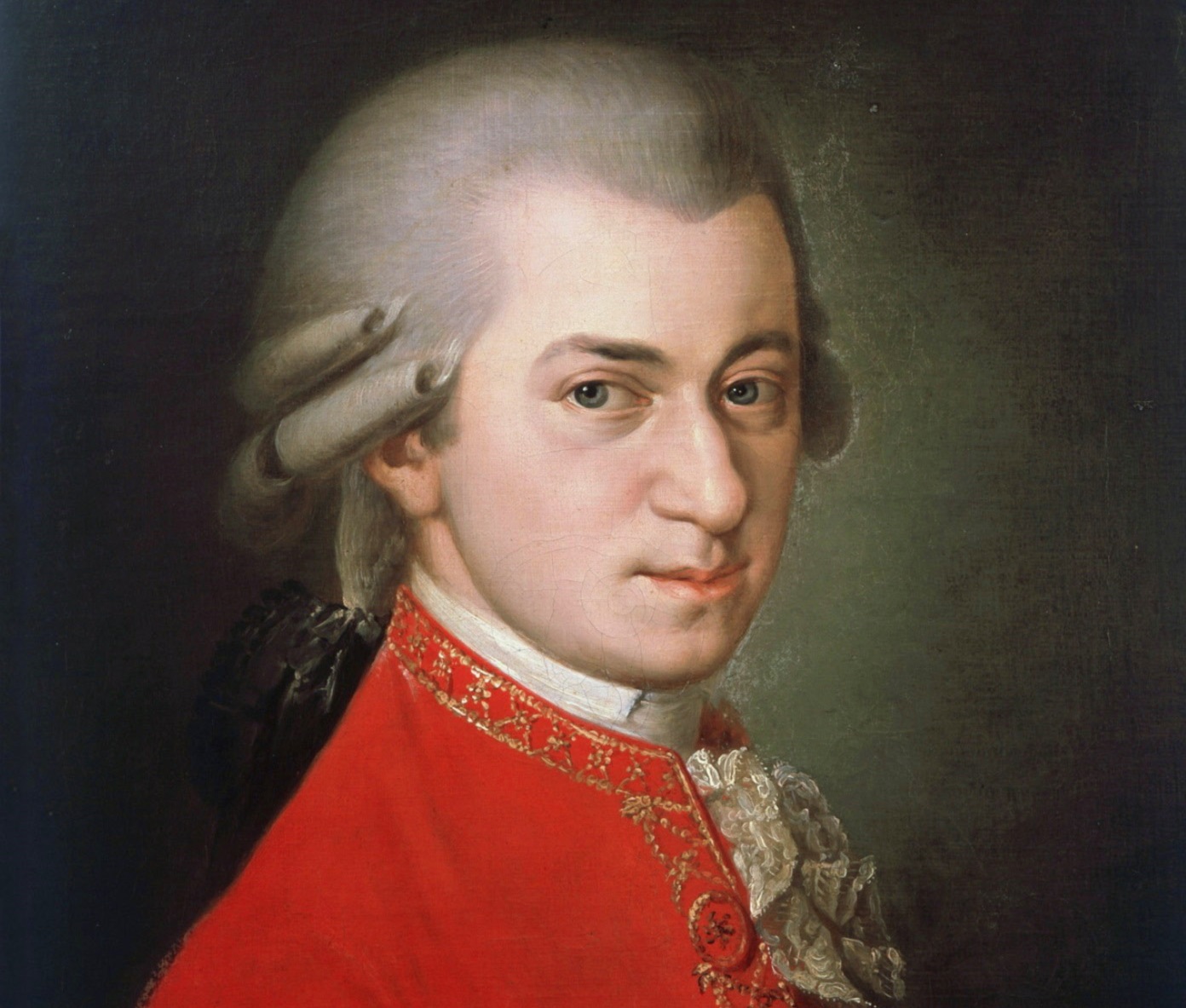
Wolfgang Amadeus Mozart.
Born in Salzburg, Austria in 1756, this great composer died in Vienna at the young age of 35. He produced over 600 works, ranging from operas to instrumental music and religious music. There are even anecdotes that he would compose different pieces in his head while writing notes on a score.
Needless to say, the song is incredibly beautiful.
And then there's her incredibly free-spirited personality.
He was fond of jokes that were "not very refined," and in his later years, his income decreased, compounded by his extravagant spending habits, and there are even letters from him asking for loans. Incidentally, it seems there are also letters from him that are full of "not very refined words."
"Why did God bestow such extraordinary talent upon such an ordinary man?"
Watching the play and film "Amadeus," which depicts the jealousy and conflict of Salieri, the devout Kapellmeister of Vienna, gives you a good understanding of Mozart's life, albeit with some exaggeration, and it's quite amusing. Or rather, a little surprising.
While the masterpiece "Amadeus" is certainly fiction, it is true that rumors circulated at the time that Salieri had poisoned Mozart, and he was tormented by these rumors until his death.
Poor Salieri. All because he discovered the "truth of music"!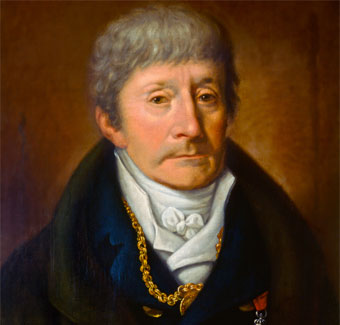
* Antonio Salieri (1750–1825)
The "genius" Mozart.
It's difficult to put that music into words.
Mozart was said to compose "as naturally as breathing."
The structure is extremely simple. It largely adheres to the grammar established by his predecessors, such as Haydn, which is now called "classicism," and there is little sense of Beethoven's desire for innovation or his struggles with self-expression. In fact, there are hardly any traces of revisions to the score itself.
Light, refreshing, and incredibly beautiful music.
That alone is more than enough, but...
For example, the second movement of Piano Concerto No. 23 in A major.
A quiet, melancholic piano solo is followed by an orchestral ensemble that sounds as if it's coming from somewhere far away. Immediately afterward, the piano plays an indescribably mysterious melody...
Just as I was starting to feel uneasy, a somewhat cheerful phrase came on, followed by the repeating opening melody.
"Music is a temporal art." But listening to this piece, I feel the exact opposite. It makes me think that Mozart is using seven minutes to depict a single moment.
The various turmoil that crosses your mind in an instant—anxiety, a faint glimmer of hope, and so on.
Mozart doesn't provide a clear beginning, development, climax, and conclusion.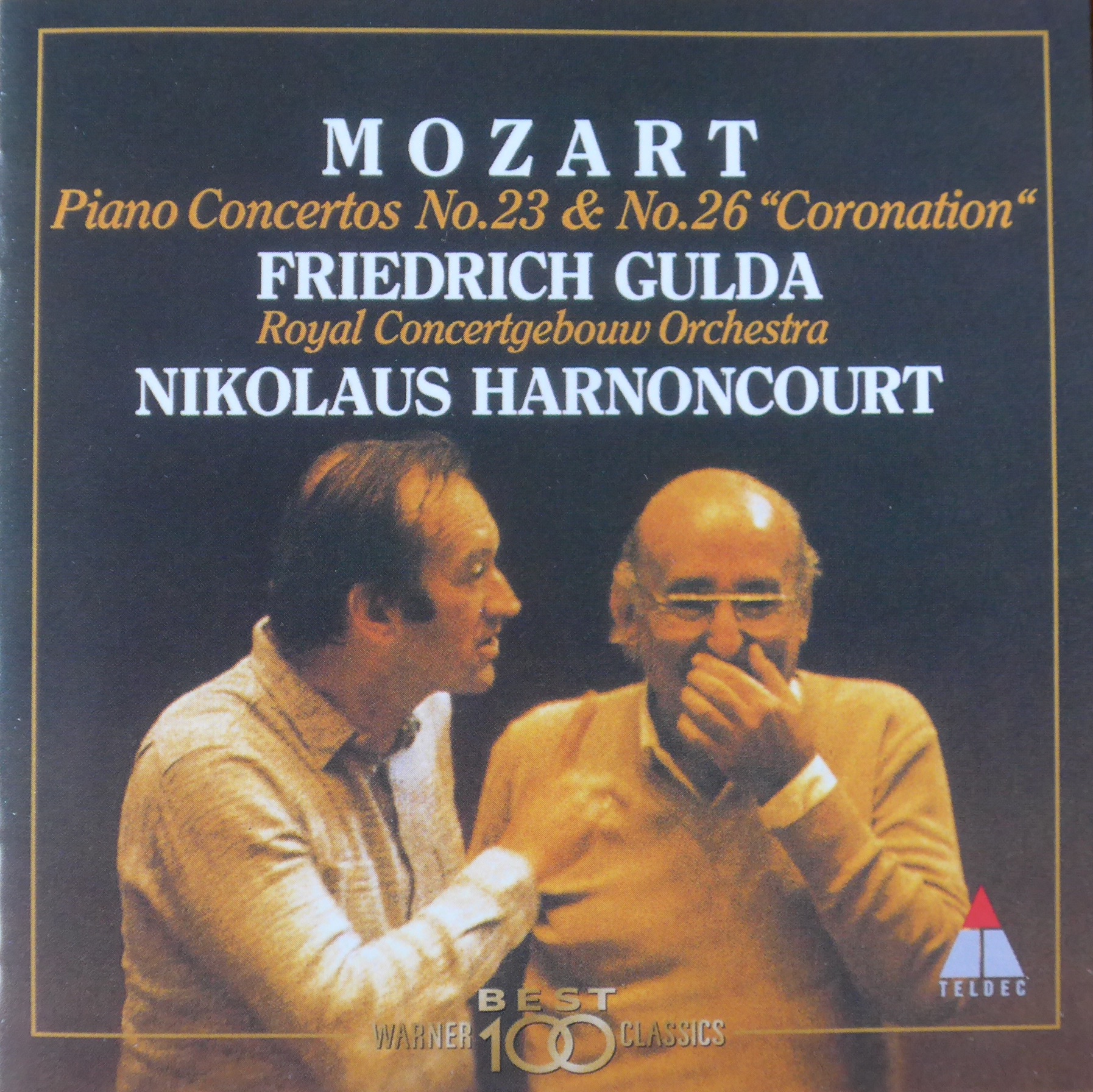 *This is a recommended album featuring Mozart's Piano Concertos No. 23 and No. 26. Gulda (piano) & Royal Concertgebouw Orchestra (conducted by Harnoncourt)
For example, the opera "Don Giovanni."
The "victims" corner Giovanni, a womanizer and murderer. It's strange how you start to wonder if they actually love the protagonist, whom they supposedly hate and want to kill.
There's a common saying about piano music.
"Mozart is too easy for children, but too difficult for adults."
There's nothing particularly difficult about it that would improve a child's technique, but because of its simplicity, if an adult's ulterior motives are added, the innocent Mozart will be ruined.
In fact, I've encountered performances like that many times.
Here is a CD. It contains Mozart's Violin Sonata, numbered K30, composed when he was 10 years old. It's a wonderful performance by Podger and Cooper.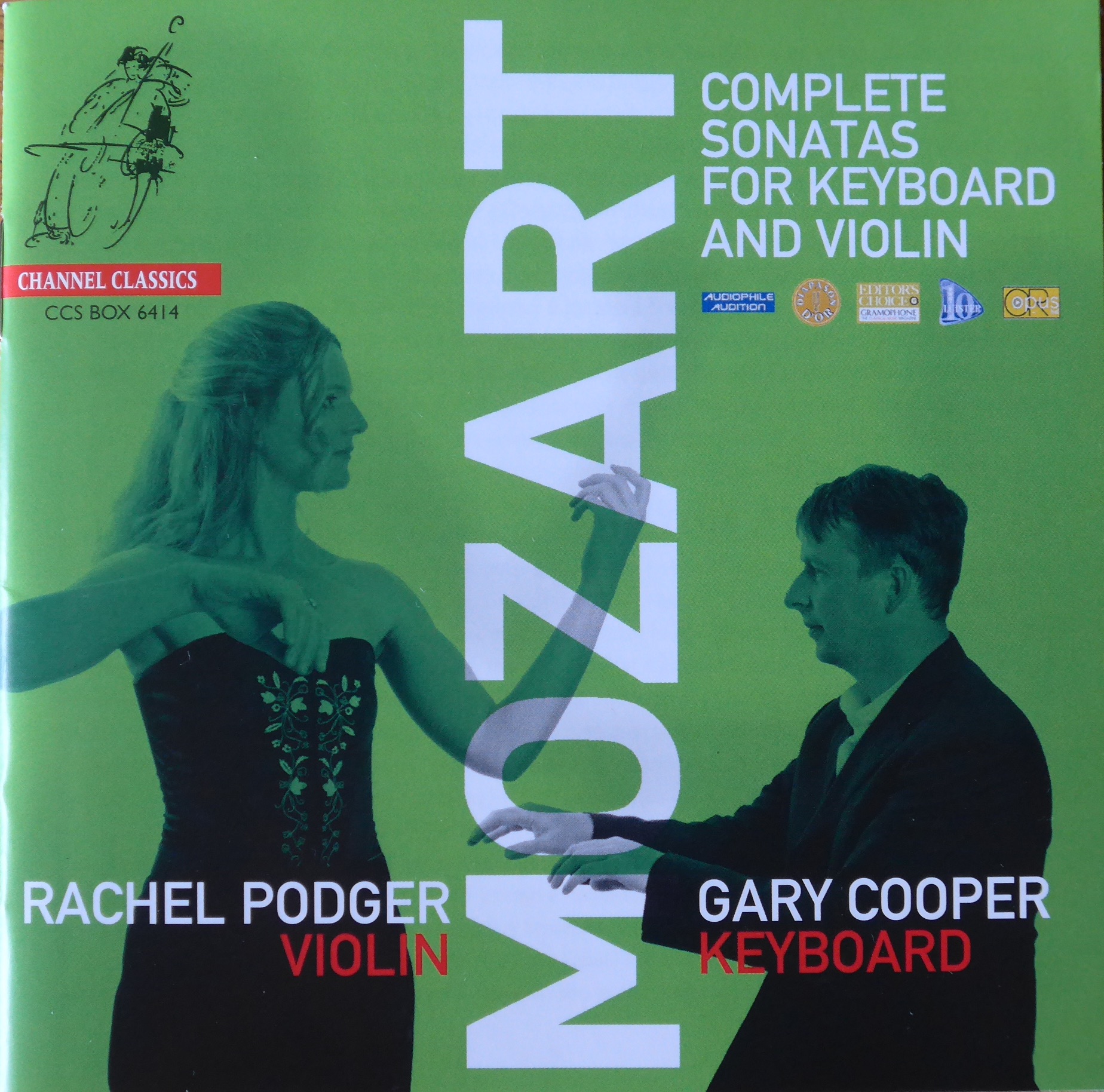 The "Adagio" movement is a beautiful piece with a striking, generously singing violin. There is no "technique" that a mature Mozart would use to inspire, but what is the sad, almost detached atmosphere that can be heard in the background? It is never negative, but rather gently enveloping.
The innocent young Mozart, who, according to legend, told seven-year-old Marie Antoinette, "When I grow up, I'll marry you," went on to create this kind of music. Or perhaps it would be more accurate to say that someone compelled him to create it.
Ah, the "natural talent" that Salieri was jealous of.
Mozart's music has a "demonic" or even devilish quality to it.
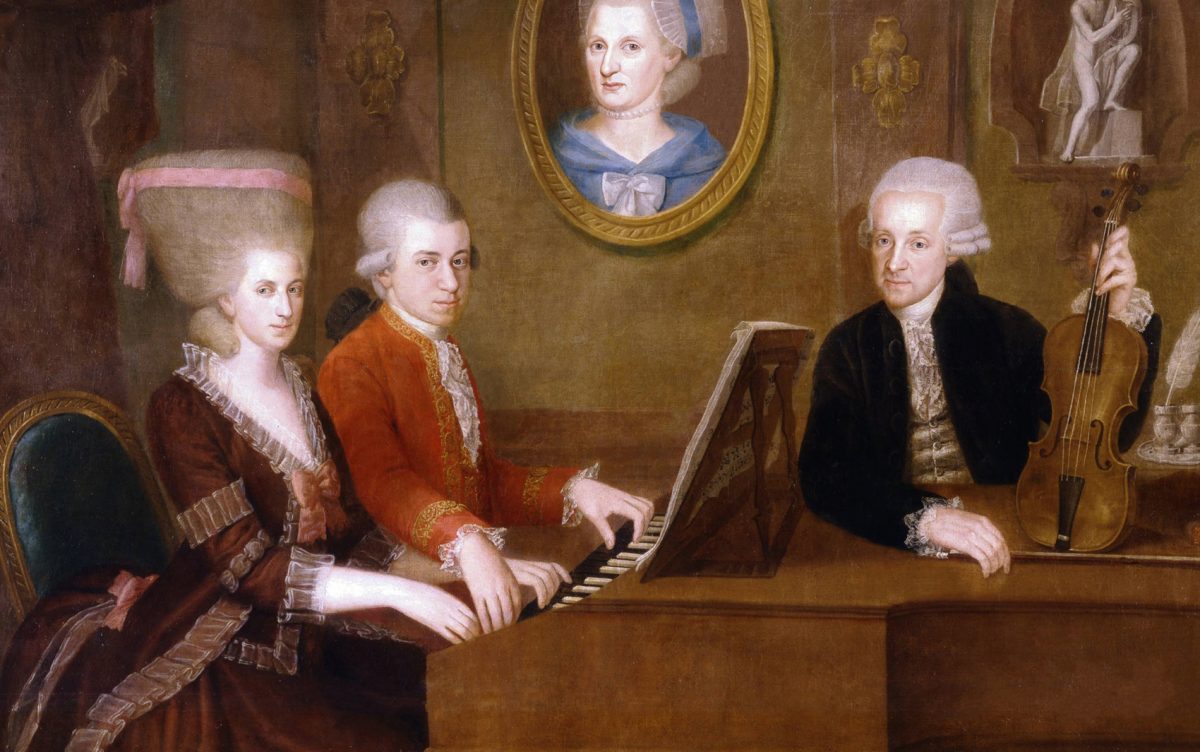
This is an expression often used by people who are knowledgeable about music.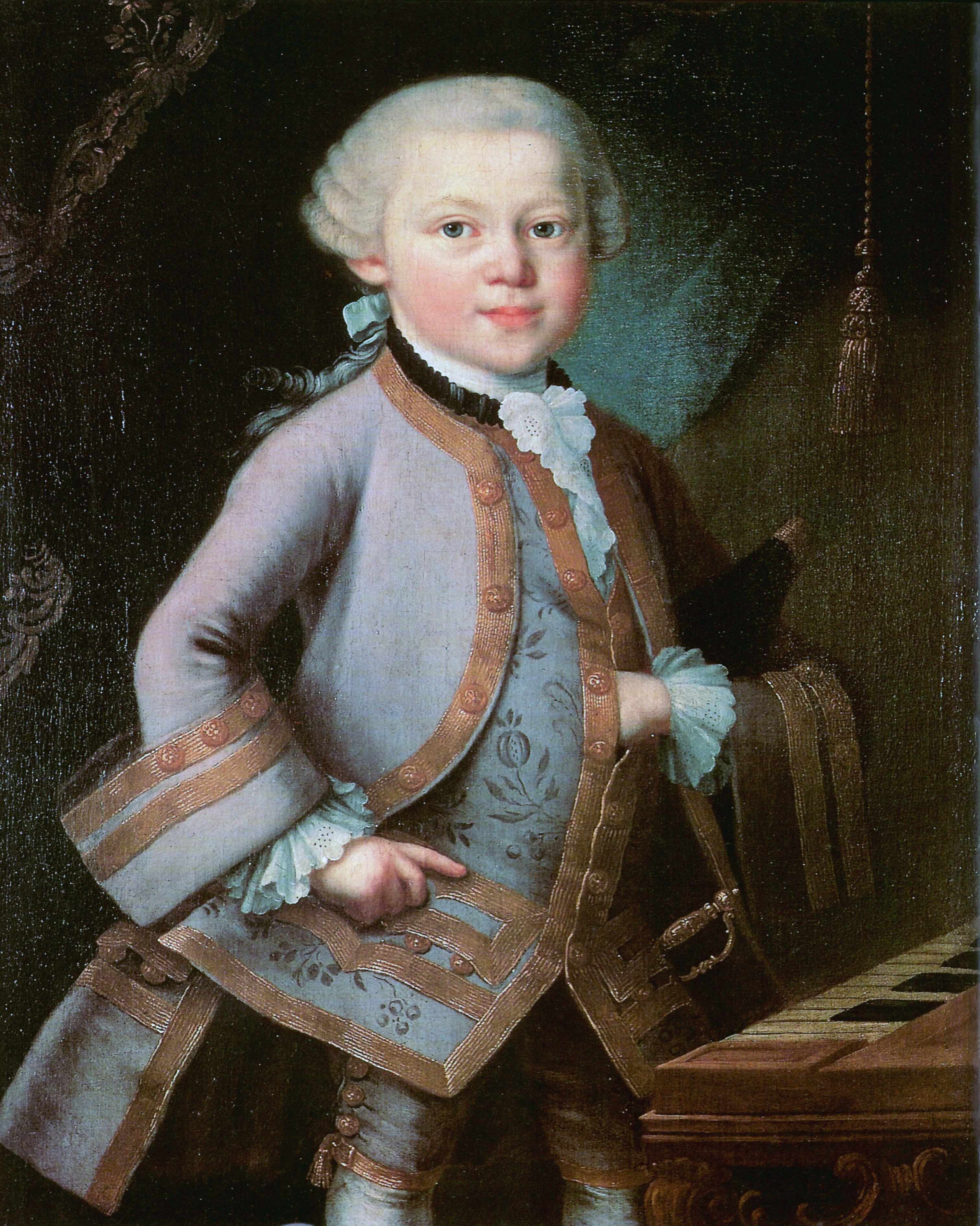 * Mozart at age 6 in formal attire
The song offers a fleeting glimpse of those troublesome things the listener is usually unaware of, those emotions dormant deep within their hearts, those truths they don't want to acknowledge yet. It lets them touch them roughly, and then, as if unaware, it beautifully transports them back into a dreamy state.
What unknown entity is capable of creating such music? That's what's frightening.
Is it something far away, or is it ourselves?
So there you have it.
I have two Mozart concerts I recommend for the beginning of the year.
The "New Year's Concert" will be held at Philia Hall on Saturday, January 11th.
Three piano concertos performed by the virtuoso Yukio Yokoyama with members of the NHK Symphony Orchestra.
The above number 23 will also be performed.
Even so, three pieces by Mozart alone is amazing.
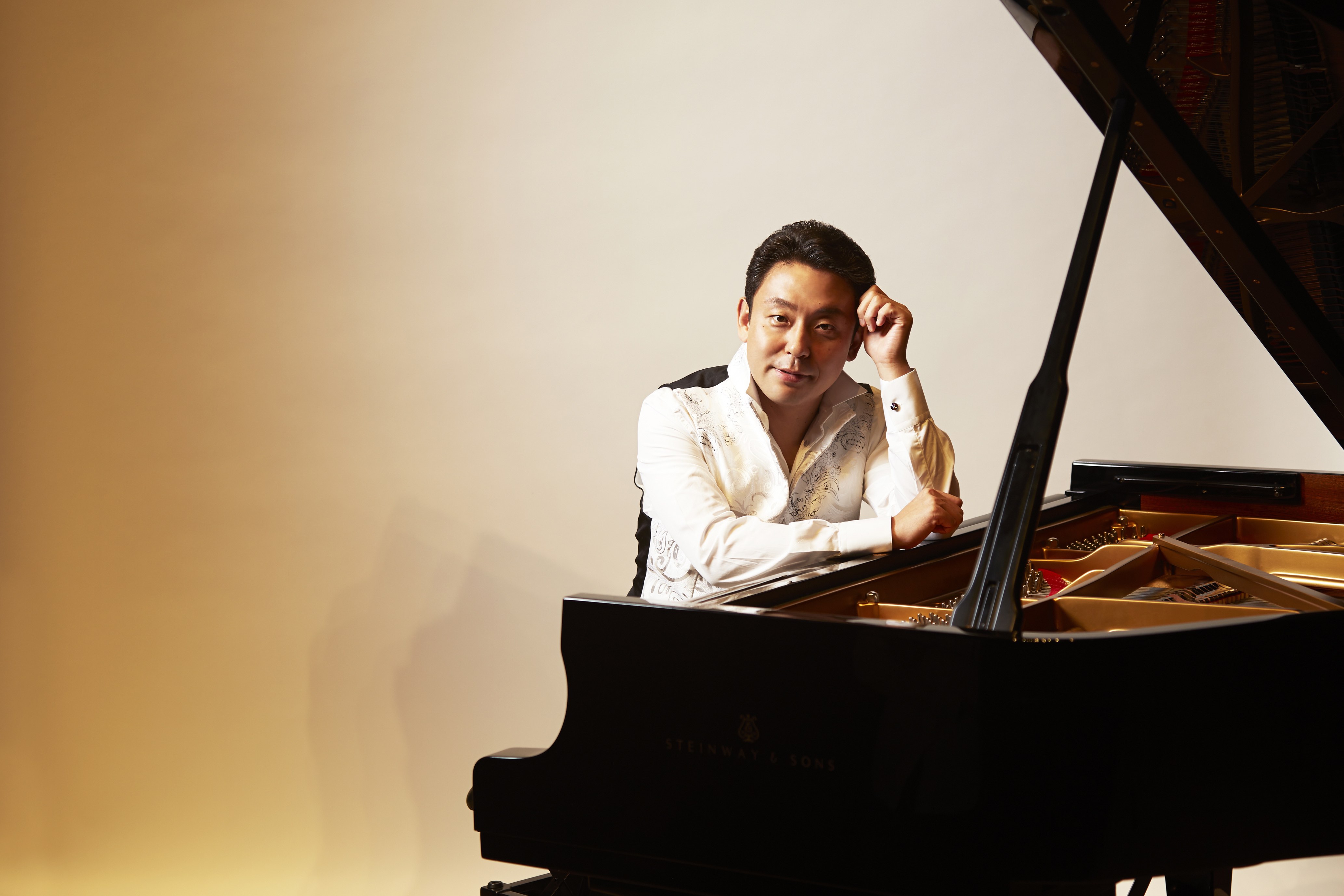 (C) R Infini
This event has ended.
《New Year's Concert: A Mozart Feast》
[Date and time] Saturday, January 11, 2020, 15:00 start
[Venue] Philia Hall, Yokohama City Aoba Ward Community Cultural Center
[Performers] Piano: Yukio Yokoyama, Orchestra: Chamber Orchestra composed of members of the NHK Symphony Orchestra (Concertmaster: Hiroyuki Yamaguchi)
[Price] S: 7,500 yen, A: 6,500 yen
*Click here for details
And then there's the "Mozart Matinee" at Muza Kawasaki Symphony Hall.
This is from Saturday, January 18th.
You can enjoy works from his youth, performed by violinist Shunsuke Sato, now one of Japan's most celebrated musicians, who also conducts while playing the violin.
This is a great program that also features works by C.P.E. Bach, the second son of the great Bach, who influenced Mozart.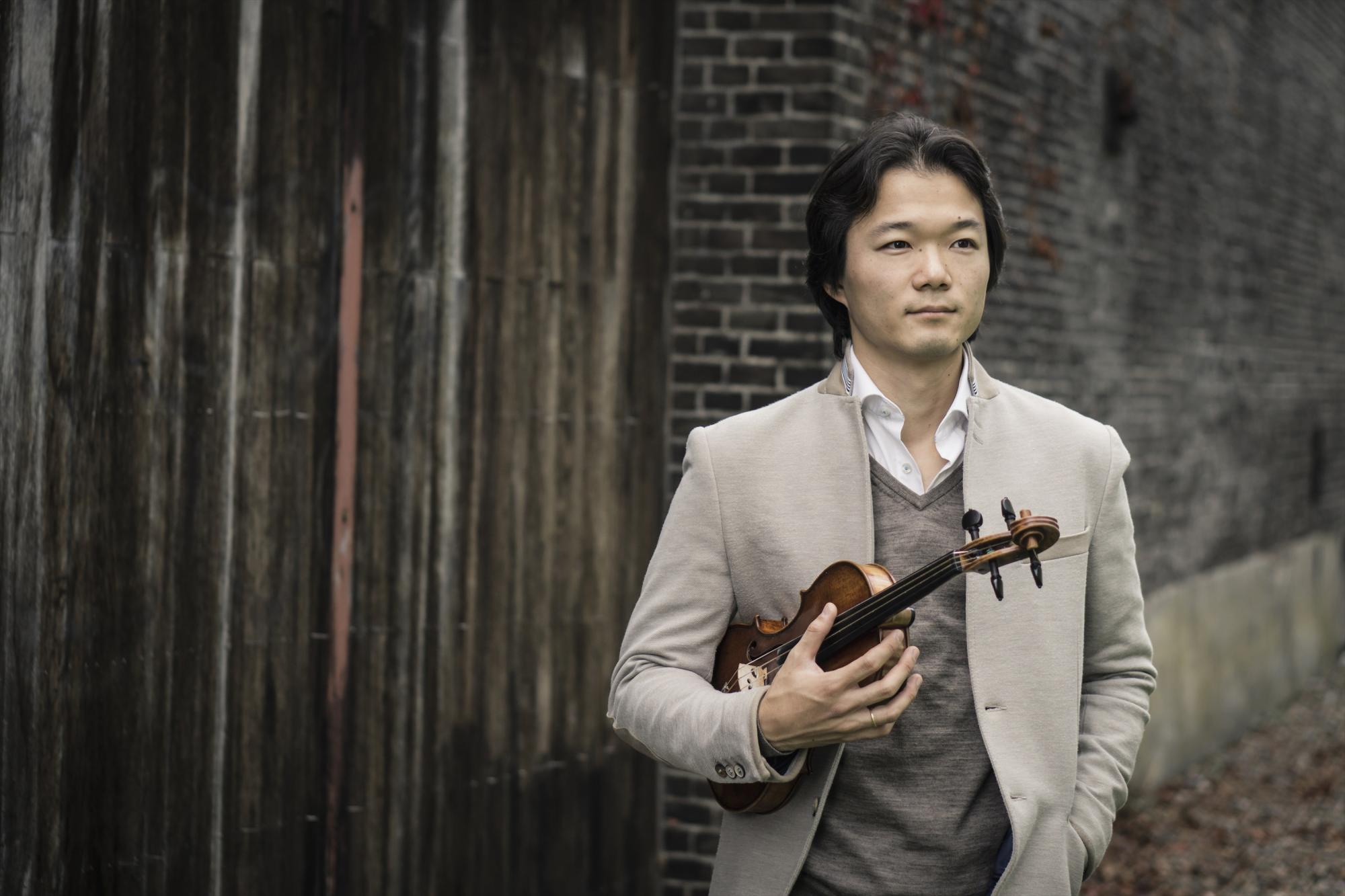
©Yat Ho Tsang
This event has ended.
Mozart Matinee, 39th Edition
[Date and time] Saturday, January 18, 2020, 11:00 start
[Venue] Muza Kawasaki Symphony Hall
[Performers] Violin: Shunsuke Sato (conducting while playing), Orchestra: Tokyo Symphony Orchestra
[Admission Fees] General Admission: 3,500 yen, U25 (Elementary school students to 25 years old): 1,000 yen, Friends of the Museum: 3,150 yen
*Click here for details
It's not scary if we all listen together!?
Now, let's enjoy Mozart!