[The Magic of Art 07] Hara Railway Model Museum: Experience the exquisite craftsmanship and realistic running sounds.
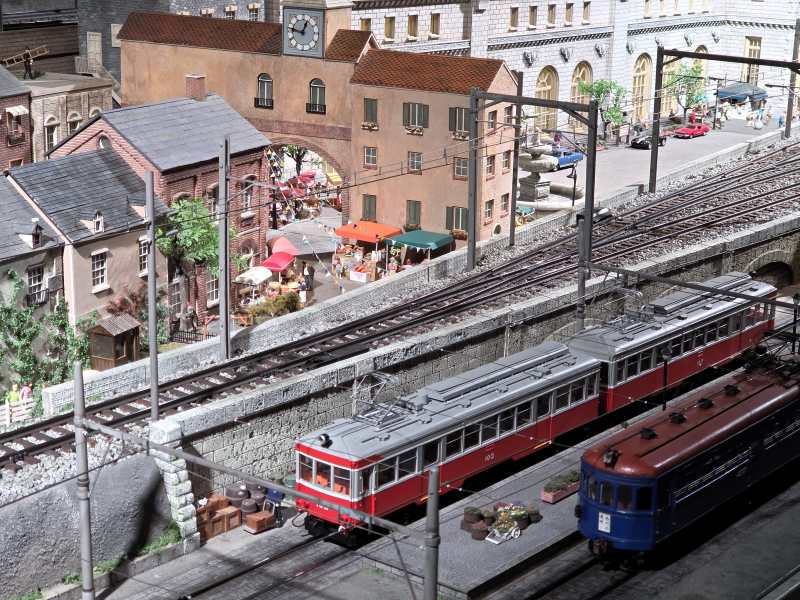
Located in Yokohama, the birthplace of Japanese railways, the Hara Railway Model Museum displays a vast collection, said to be the world's largest, created and owned by railway model maker and collector Nobutaro Hara. This time, we'll be interviewing the staff at this museum, where you can enjoy railway models from around the world and from different eras, experiencing the feeling of traveling through life with your eyes and ears.
Shintaro Hara shares the charm of craftsmanship.
Mr. Hara is also known as the first passenger to ride the first subway train in Japan (now the Tokyo Metro Ginza Line). From a young age, he loved trains, riding them himself, taking pictures, building models, and he was passionate about collecting "first tickets." To learn about overseas railways, he studied English from elementary school, and in junior and senior high school, he mastered German, French, Spanish, and Italian. After that, he also learned Russian before entering university, and went on to study mechanical engineering at the Faculty of Engineering, Tokyo Institute of Technology (now Tokyo University of Science) to acquire railway technology.
—What a beautiful museum.
Of Shintaro's collection of approximately 6,000 items, about 1,000 model trains are on display and running.
One of its features is the recreation of railway vehicles from around the world, primarily from Japan, Europe, and America, during the era when railways underwent remarkable development from steam locomotives to electric locomotives. You can enjoy railways from around the world without leaving Yokohama. In addition, there are approximately 100,000 still photographs taken by Shintaro, a total of about 440 hours of movie film, antique models, numerous first-run tickets, and actual railway parts to see.
—I was particularly impressed by the first exhibition room, which displays his representative works, and the model that young Hara created as his first creation.
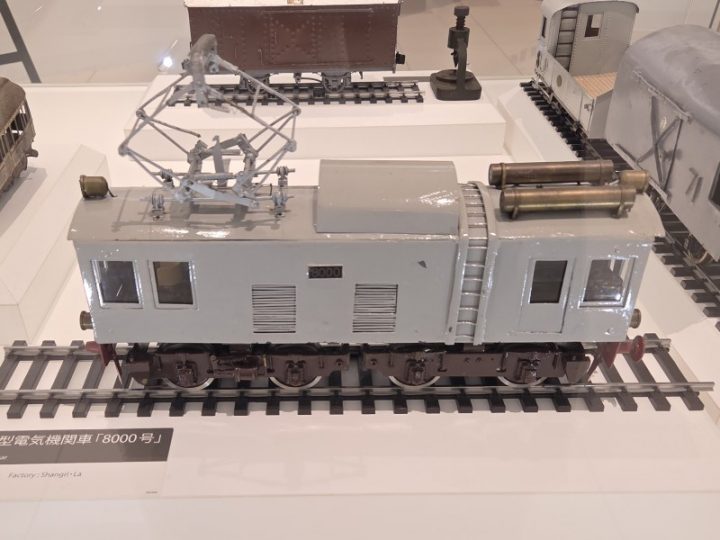
This is a fictional locomotive called "No. 8000" that I made when I was in the sixth grade of elementary school. The body is made from leftover planks from repairing the roof of my house, and the complex German-style pantograph was handmade by bending wire. This vehicle is also used as the emblem of our museum, and it is the first locomotive of the "Shangri-La Railway," the ideal railway of the utopia that Shintaro envisioned.
—I was surprised that the trolleys and rails were all handmade, and that the springs were also movable.
Shintaro had a deep love for railways and technology. Whenever there was a technological innovation in railways, he would travel anywhere in the world to see it, ride the trains, and capture it all on cameras and 16mm film, which were rare at the time. The vast collection of railway, travel, and technology-related materials he amassed can also be seen at this museum. Shintaro's railway models are widely praised as "miniature real things" because they faithfully reproduce actual railway vehicles.
A breathtaking diorama with a total length of 450 meters.
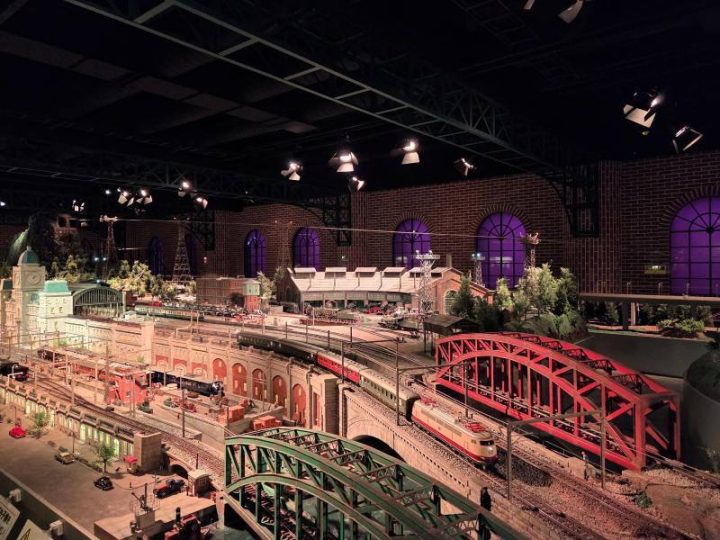
The highlight of the museum is the giant diorama "Ichiban Tetsumo Park" located in the center of the building.
This is the world's largest diorama, expressing the worldview of Shintaro Hara, who loved the wide world and travel, and features intricately detailed model trains that speed along, making realistic sounds.
—The sounds of the trains running inside the building are amazing! It's like a world of model trains unfolding before you, with real trains running through a real city.
Thank you. Our museum features one of the world's largest indoor dioramas open to the public, where model trains in Gauge 1 (approximately 1/32 scale) actually run.
Shintaro's model trains draw electricity from overhead lines and run on iron rails with iron wheels. What we especially want you to pay attention to is the sound of it running. The rail joints make a clunking sound, just like the real thing. Gears, leaf springs, bearings, bolsters, brakes... none of these are visible from the outside, but we believe you will feel the smooth running of the model train, which is made possible by incorporating the same technology used in real railways.
—I was captivated by the model trains running on the six lines and the depiction of the town.
The exhibit, the size of a tennis court, is filled with hidden characters and dioramas recreating stories. You might even spot some characters from world-famous paintings that you're all familiar with, so try to find them!
Explore Yokohama in 5 minutes, morning, noon, and evening.
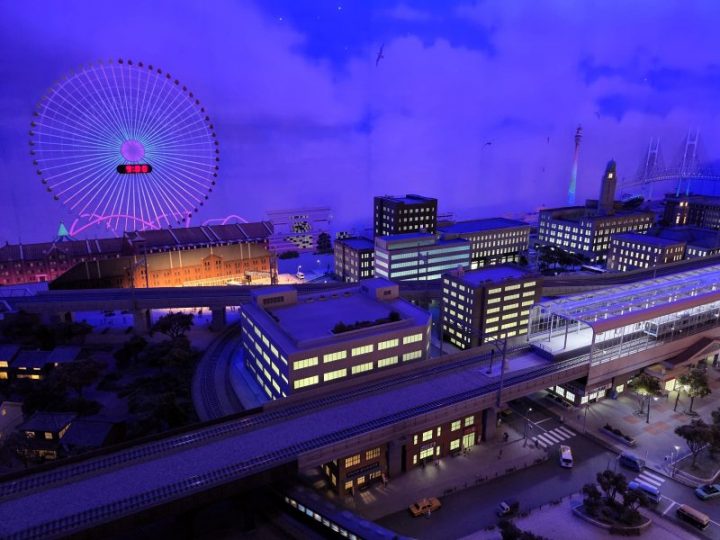
—The diorama, which allows you to enjoy a day in Yokohama, is also unique.
Did you enjoy the sounds of ship horns and the lively atmosphere of Chinatown, depending on the time of day? This HO gauge layout recreates Yokohama's past and present, including the station building and streetscape from when it first opened.
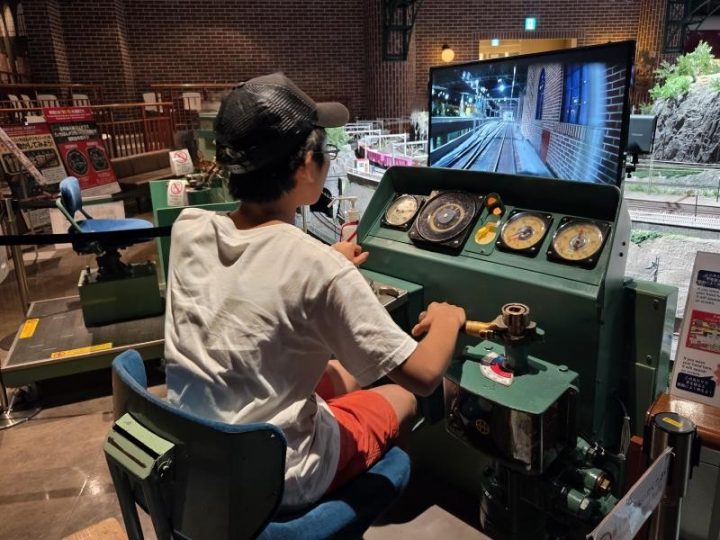
The Hara Railway Model Museum opened in 2012, marking the 140th anniversary of the opening of Japan's first railway line between Yokohama and Shimbashi. As a facility befitting the city of Yokohama, we hope to continue stimulating the intellectual curiosity of visitors, especially children who will shape the future, through railway culture, offering a wide range of perspectives including technology, history, and geography. Our "Dynamic Railway Practice" session, where visitors can operate model trains using a real train driver's cab, is also very popular. Please come and visit us!
Text by Mai Shimura (Editor/Writer)
Hara Railway Model Museum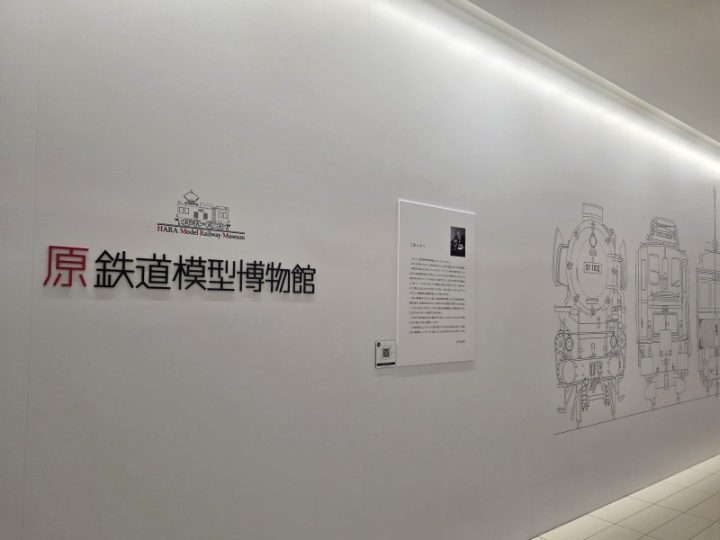
Address: 2nd Floor, Yokohama Mitsui Building, 1-1-2 Takashima, Nishi-ku, Yokohama City
Phone number: 045-640-6699 (10:00 AM - 5:00 PM)
Official website: Click here
*There is a limit to the number of participants for the "Dynamic Railway Workshop" (first-come, first-served basis; registration is accepted on the day of the event). Also, it is not held during events or peak seasons. Please check the museum's website for details.

-720x473.jpg)