Don't call it old-fashioned! Sagami puppet theater is fun to watch, perform, and create!
Go, see, and experience the world of art
File.23 Kanagawa Prefectural Youth Center "Sagami Puppet Show Festival"
Miyuki Inoue (Magcal Editorial Department)
I'm interested in traditional performing arts, but I've always had this image of them being somehow highbrow and unapproachable.
But when I see Kagura or puppet shows at local festivals, I get the feeling that everyone is enjoying themselves casually, and I'm kind of envious...
Just as I was thinking that, I learned that there's a region in Kanagawa Prefecture where a folk art called "Sagami Puppet Theater" is still performed, enjoyed by generations of people. I just had to go and see it!
So, I immediately went to visit the rehearsal studio.
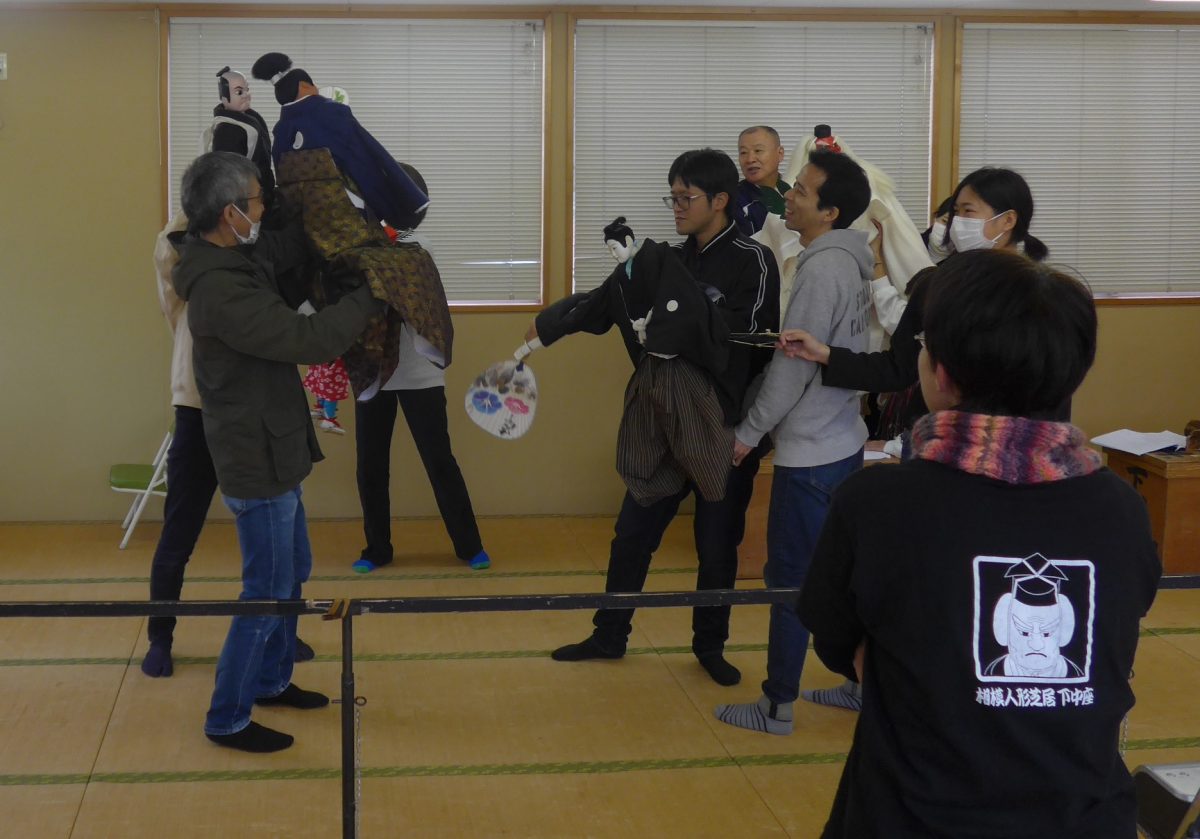
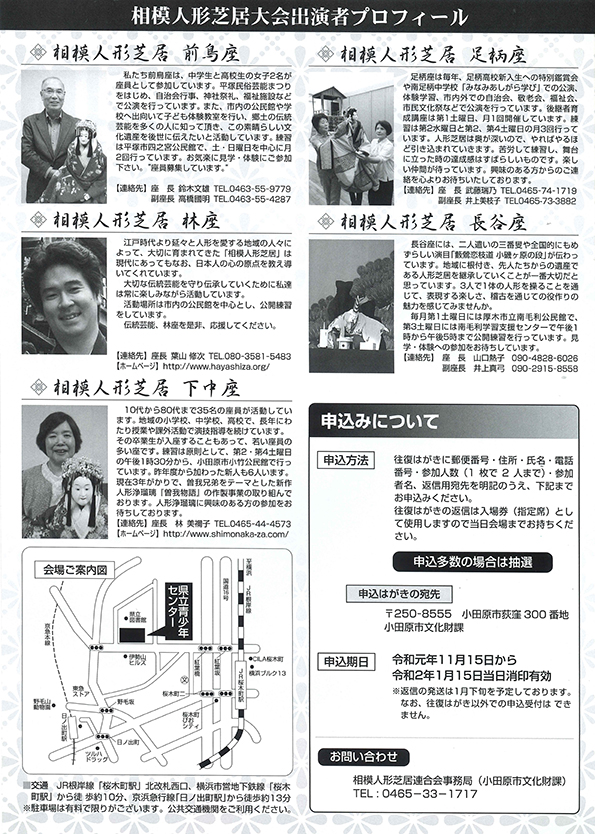
Currently, there are five troupes active: Shimonakaza (Odawara City), Haseza (Atsugi City), and Hayashiza (Atsugi City), all of which are designated as important intangible folk cultural properties by the national government; and Maejimaza (Hiratsuka City) and Ashigaraza (Minamiashigara City), which are designated by the prefecture. In February, the "Sagami Puppet Theater Festival" will be held, bringing together all five troupes.
The group I visited this time was Shimonakaza, based in Kotake, Odawara City. It is one of the most active groups among the five troupes, and its 35 members range in age from their teens to their 80s.
Furthermore, while many troupes limit their members to those from the local area, Shimonakaza opens its doors to anyone who wishes to join, and apparently some members even commute from Hachioji in Tokyo, drawn to the art of puppetry. This only increases my interest in Sagami puppetry, as it shows just how captivating it is.
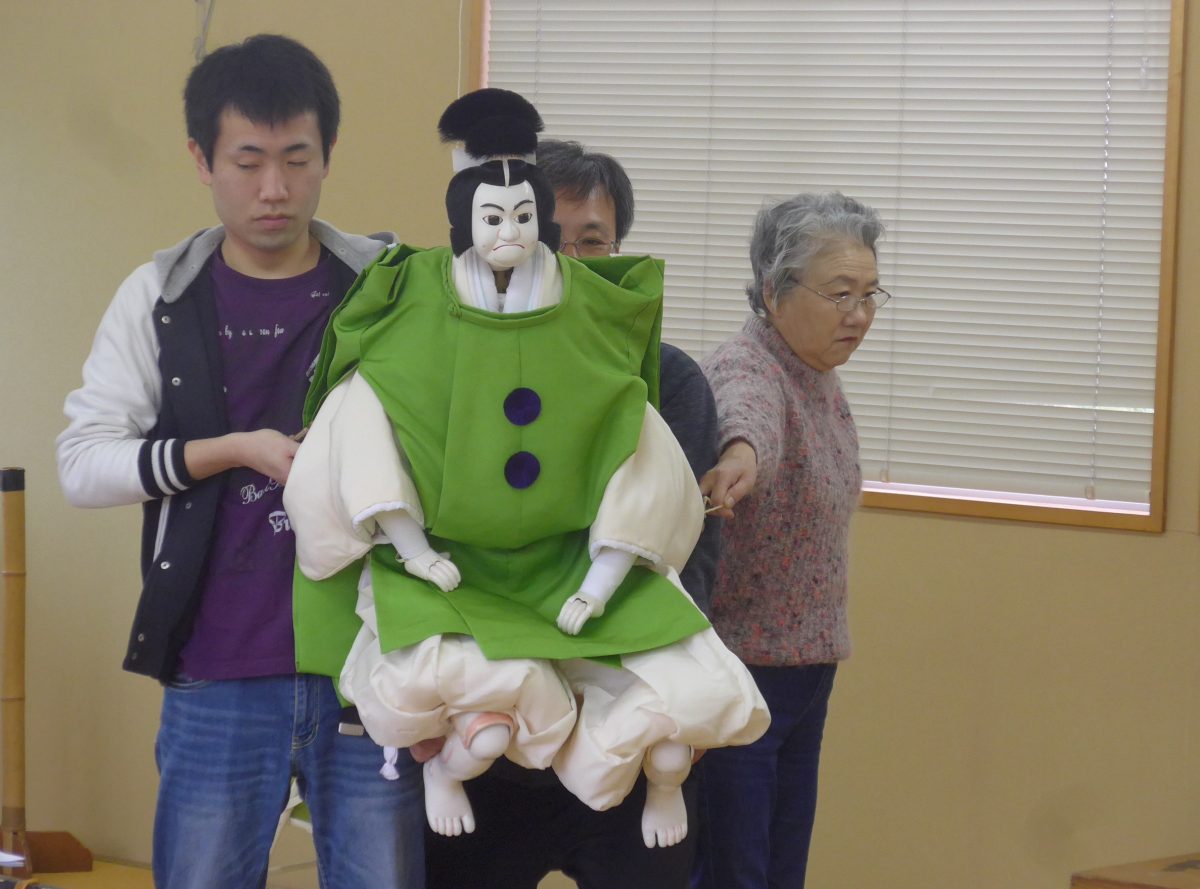
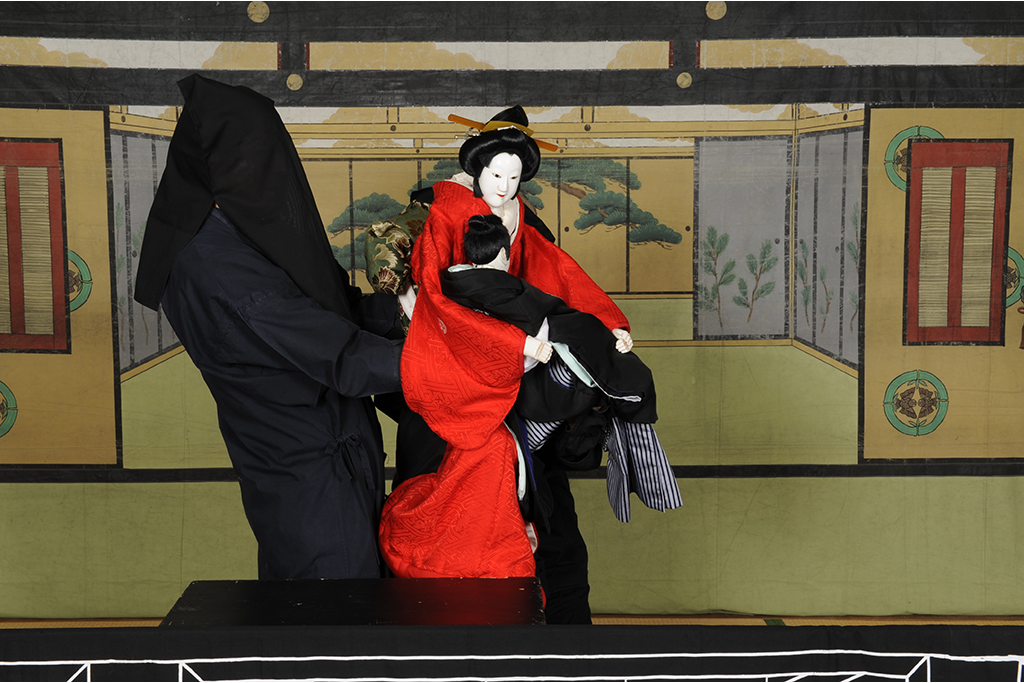
Sagami puppet theater, like Bunraku and other forms of puppetry, is fundamentally based on three people manipulating a single puppet. The "main puppeteer" controls the head and right arm, the "left-hand puppeteer" controls the left arm, and the "foot puppeteer" controls both legs. The main puppeteer has a clear intention and leads the puppet's movements, but since verbal instructions are not possible, it is crucial for all three to work together in perfect coordination.
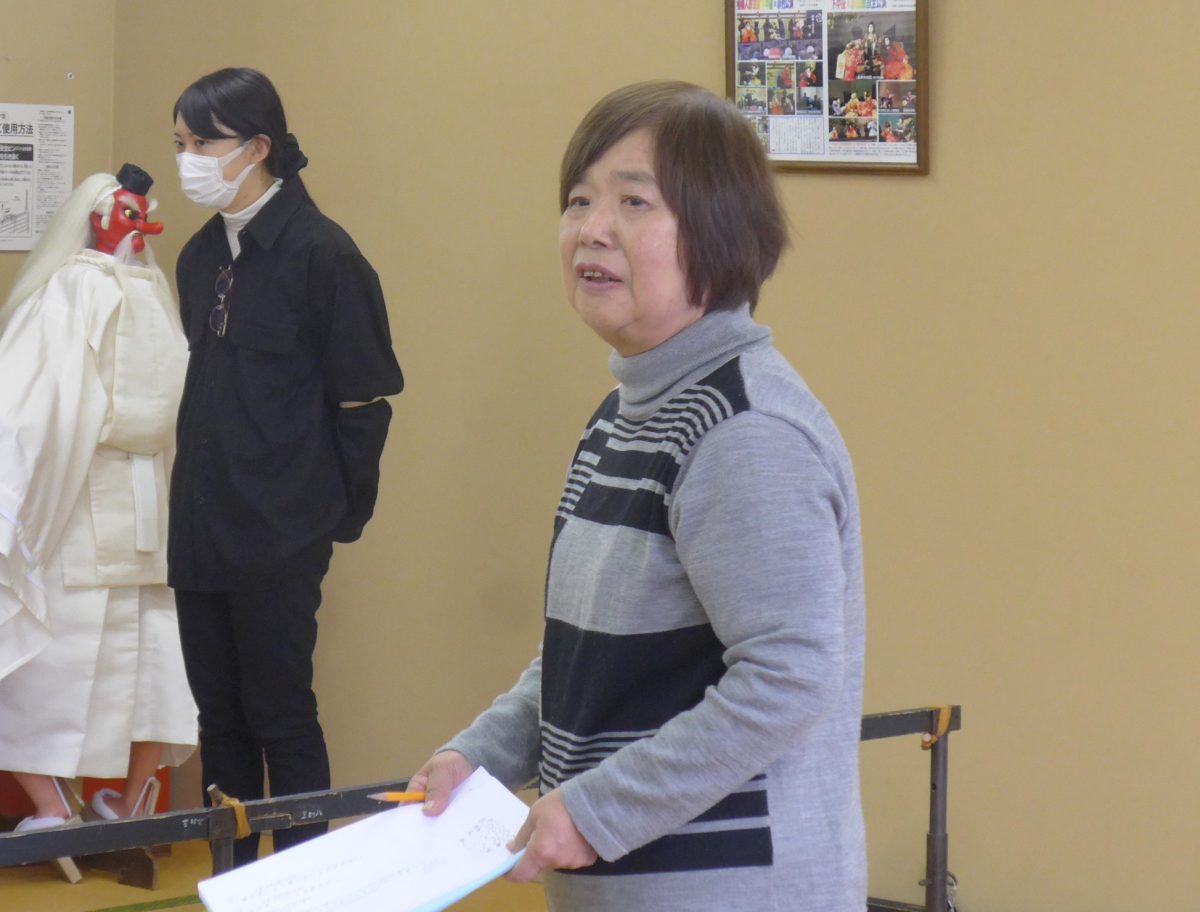
The group's leader, Mineko Hayashi, became concerned that Sagami puppet theater might disappear if things continued as they were while she was researching it as a researcher. She then took over as leader and has been dedicated to training successors. Thanks to her efforts, the group has established a supportive environment for young people to join and grow, including a collaboration with the Sagami Puppet Club at Ninomiya Prefectural High School.
"Apparently, it's a really fresh experience for the younger generation. They've never imagined they could manipulate puppets that are like cultural artifacts with their own hands, so I'm sure they're surprised when they actually try it (laughs). Each of the five troupes has its own unique character, but the Shimonaka troupe has young men in it, so we want to actively perform period pieces. The movements are dynamic and easy to understand, so you can enjoy it even without any prior knowledge."
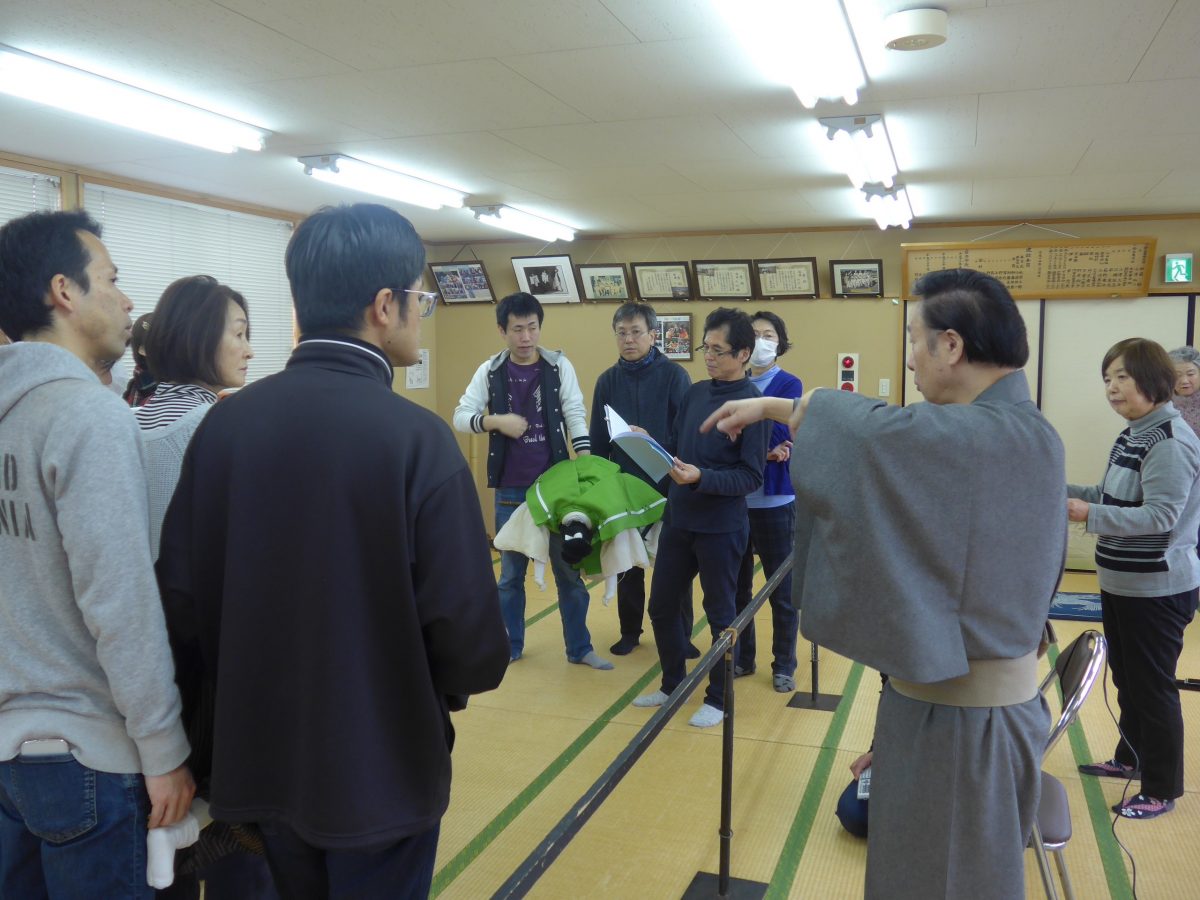
The rehearsal I was given was not for " Meiboku Sendai Hagi," which will be performed at the Sagami Puppet Theater Festival, but for a new work, "Soga Monogatari." I had always had a somewhat old-fashioned image of folk performing arts (excuse my ignorance!), so I was a little surprised to see that they were creating new works themselves.
On this day, we invited Minojiro Yoshida from the Bunraku-za theater company to give us advice on the direction of our new production, as well as to teach us about puppet management techniques.
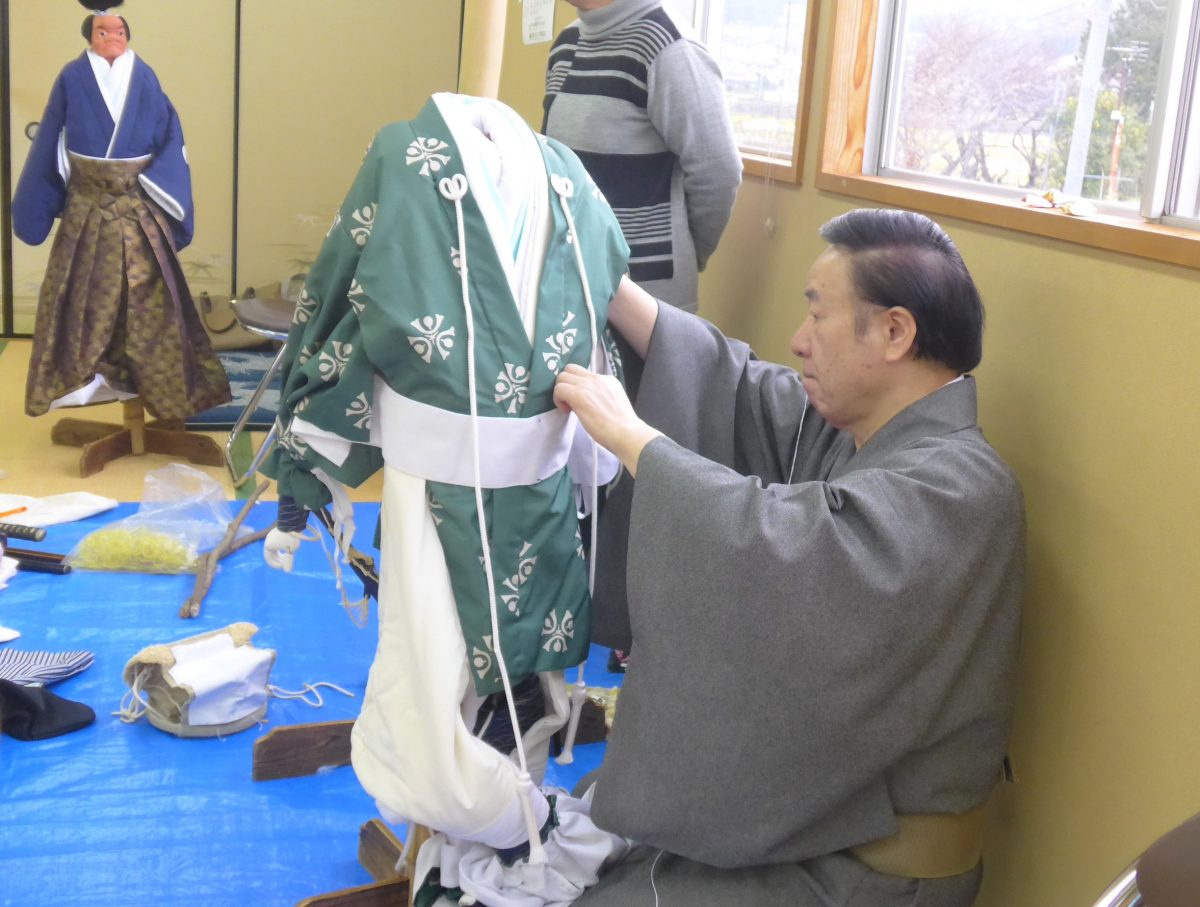
Apparently, there are many differences in how the puppets are manipulated between the Bunraku-za, a cultural institution in Osaka, and the Sagami Ningyo Shibai Shimonaka-za, a cultural institution in Edo, even though both are puppet shows performed by three people. However, Mr. Minojiro is said to be careful to offer advice so as not to negatively impact the traditions of each other.
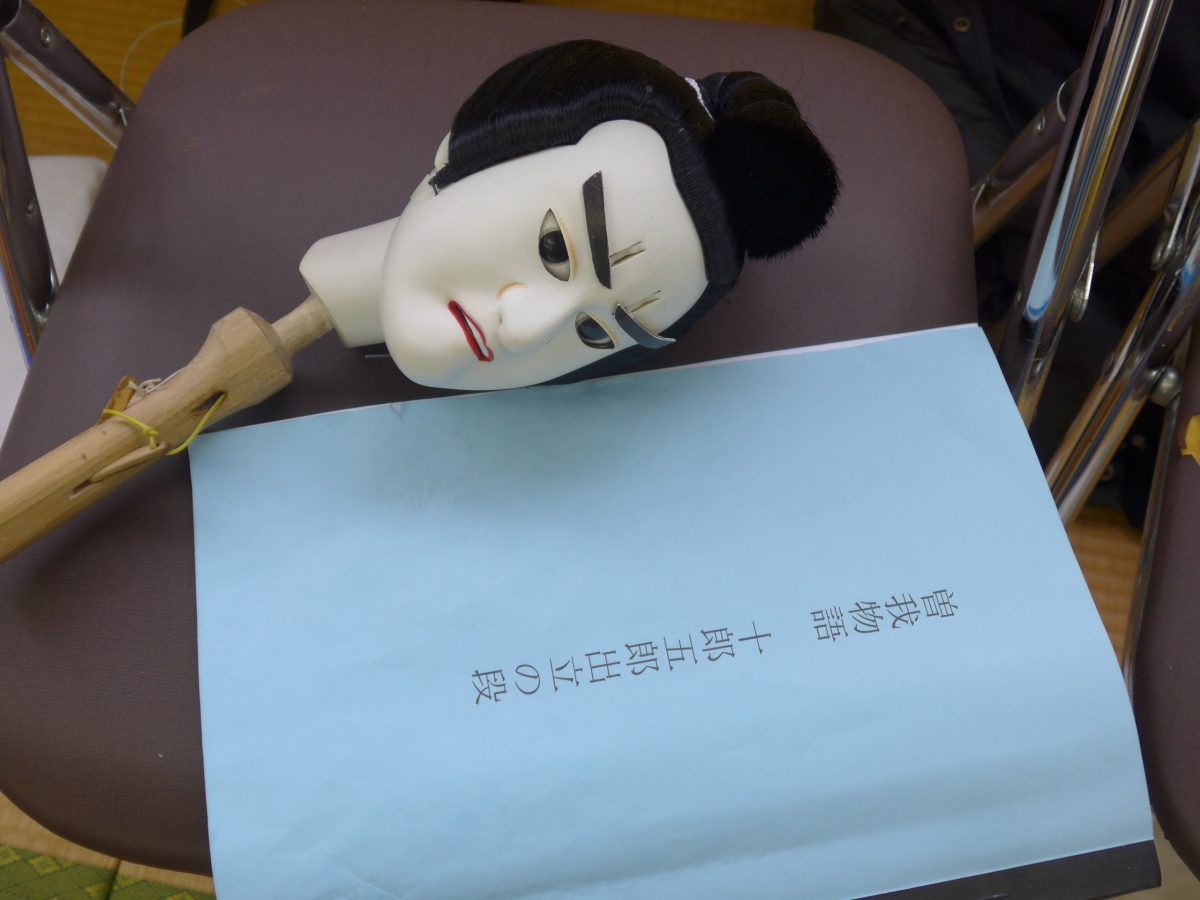
I'm looking forward to seeing "Kyara Sendaihagi" performed at the Sagami Puppet Show Festival in February, but I'm also curious about the new work that they've been working on for three years. I can't wait for its release in the spring.
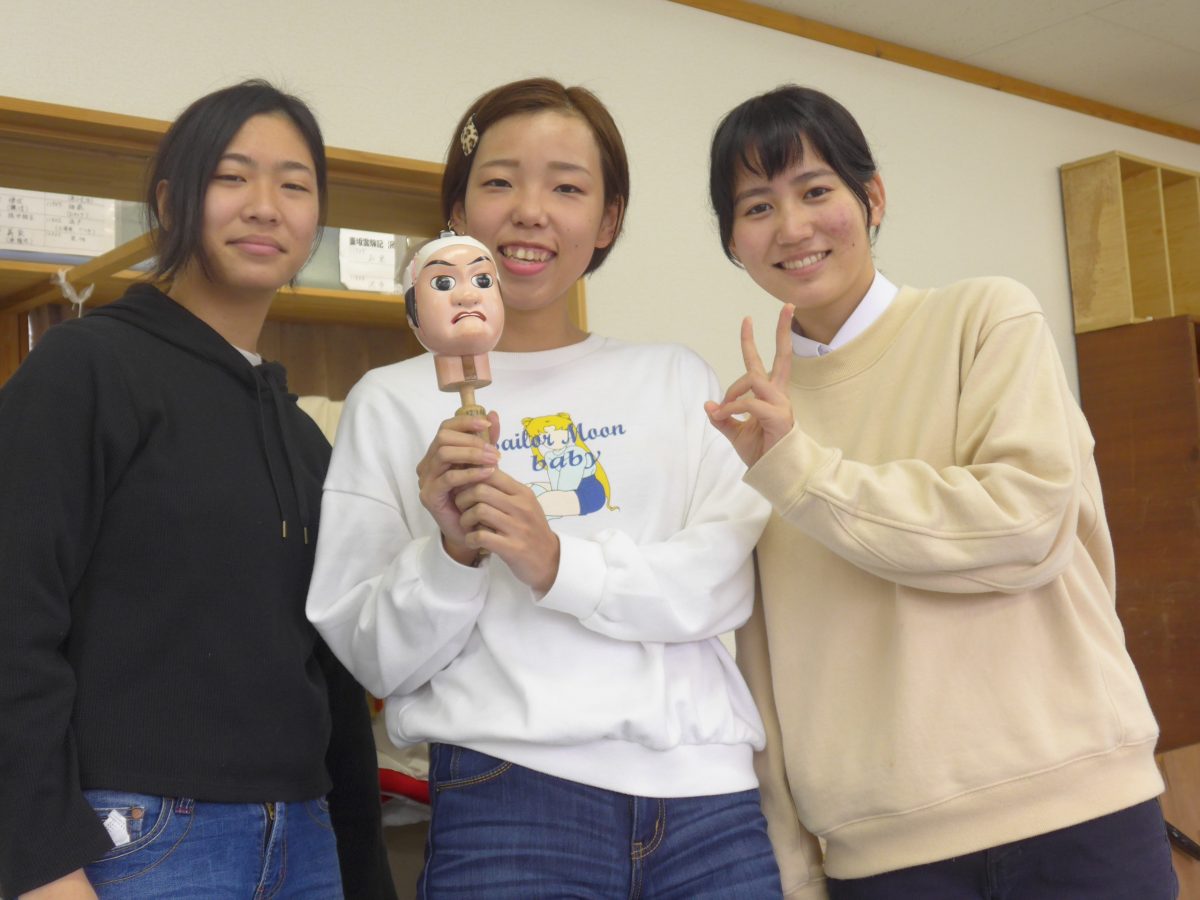
During a break, we caught up with some promising young women! Their reasons for joining varied, from meeting at an elementary school workshop to being inspired by seeing older students manipulating puppets and thinking, "That's cool!" What they all have in common is the simple feeling of, "I tried it and it was fun."
"I thought there might be a chance for me because there weren't many people, so I decided to join, and it turned out to be more fun than I expected (laughs). I've been doing it ever since."
With a carefree smile, he showed me the "head" of the "pear splitting" game.
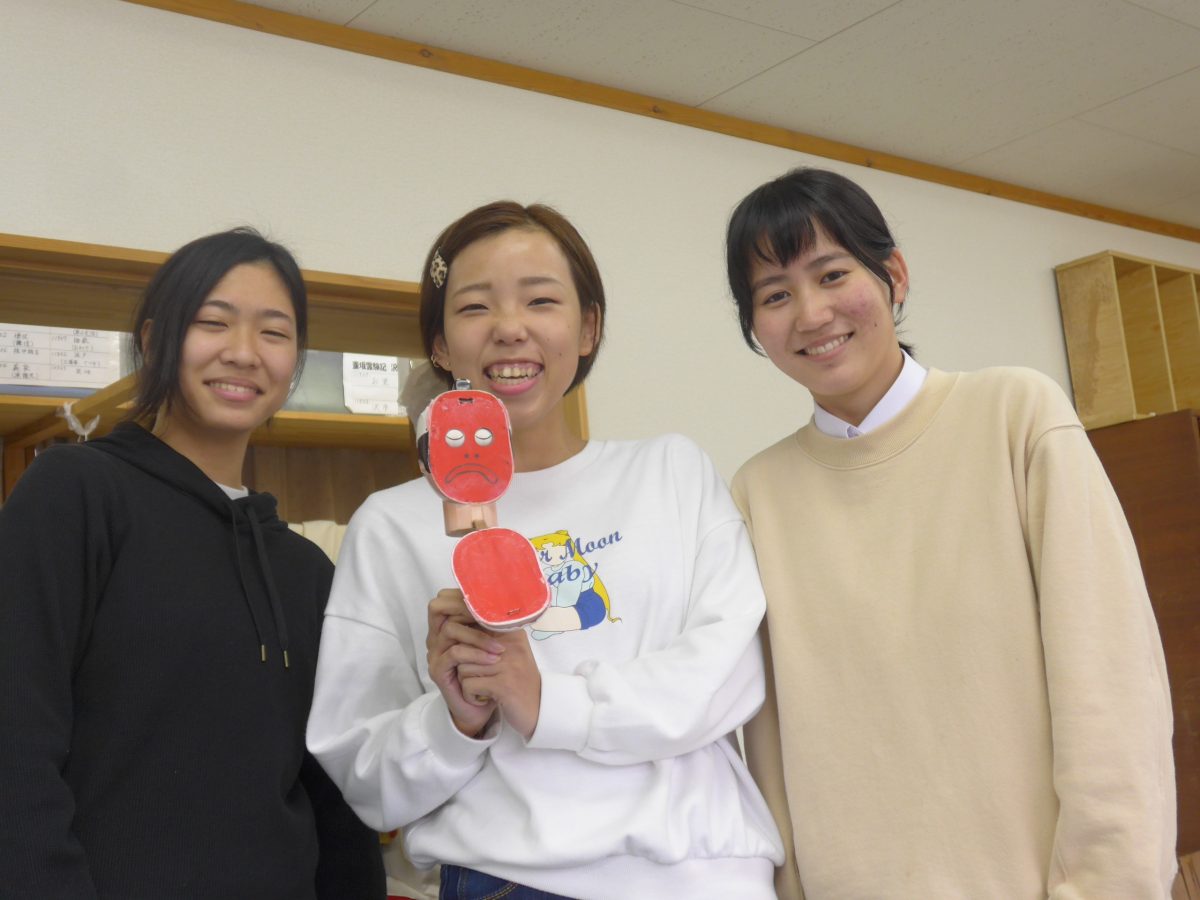
When it splits open from the forehead, the inside is bright red and the eyes are darting around...
Apparently, it's the "leader" of the so-called "get-killed" characters, and it's quite startling when it suddenly splits in two. But despite being grotesque, it's somehow humorous, so I couldn't help but laugh.
I had mistakenly assumed that folk performing arts were something inaccessible, but it seems they're actually a very approachable world. First, I need to see the February performance where all five troupes come together. If I'm really inspired, maybe I'll aim to perform on stage next year.
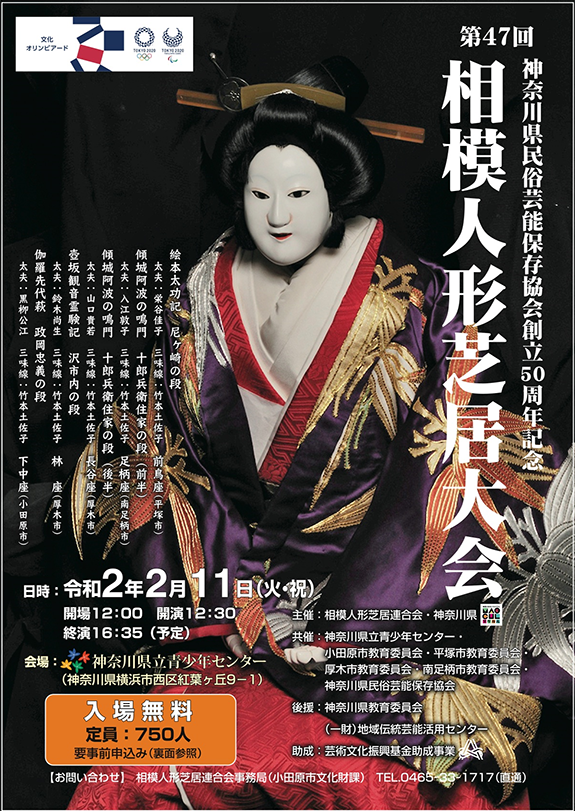
This event has ended.
The 47th Sagami Puppet Show Festival
[Date and Time] Tuesday, February 11, 2020 (National Holiday) 12:30 (Doors open at 12:00, performance scheduled to end at 16:35)
[Venue] Kanagawa Prefectural Youth Center Hall
[Capacity] 750 people
[Fee] Free (advance registration required)
[How to apply] Please fill in the required information listed below on one return postcard and send it to the application address. Up to two people can apply at the same time with one postcard. If there are many applications, a lottery will be held. Replies are scheduled to be sent out in late January. The return postcard will be used as your admission ticket (reserved seat), so please bring it with you to the venue on the day of the event.
●Postal Code
● Address
●Name
● Phone number
● Number of participants (up to 2 people)
● Participant's name
●Please write your return address (on the return side) and apply using a return postcard.
[Address] 300 Ogikubo, Odawara City, Kanagawa Prefecture 250-8555, Odawara City Cultural Properties Division
[Application Deadline] January 15th (Wednesday) *Postmark valid (If there are many applicants, a lottery will be held)
[Organizer] Sagami Puppet Theater Association Secretariat (Odawara City Cultural Properties Division)
[Inquiries] 0465-33-1717 <Sagami Puppet Theater Association Secretariat (Odawara City Cultural Properties Division)>