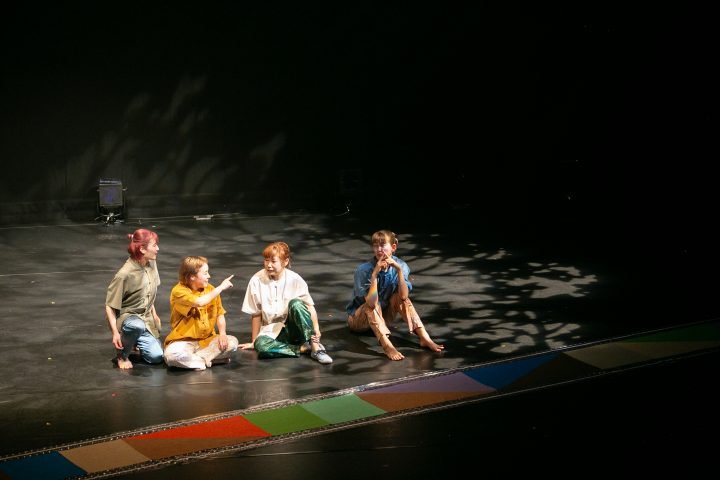
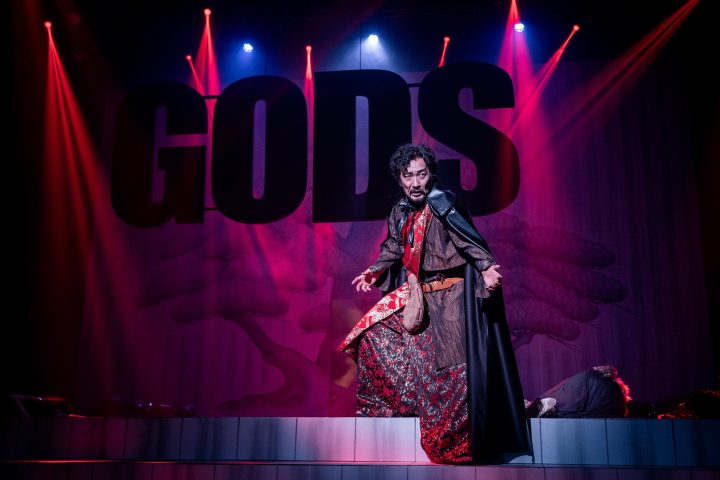
"Night on the Galactic Railroad," a musical drama featuring group readings that connects with the city.
The place where plays are born
File.2 Choral Reading Musical Drama "Night on the Galactic Railroad 2018"
(Koichi Imai / Editor and Writer)
When you think of universities that come to mind when you hear the word "theater," you might imagine Waseda University or Nihon University College of Art.
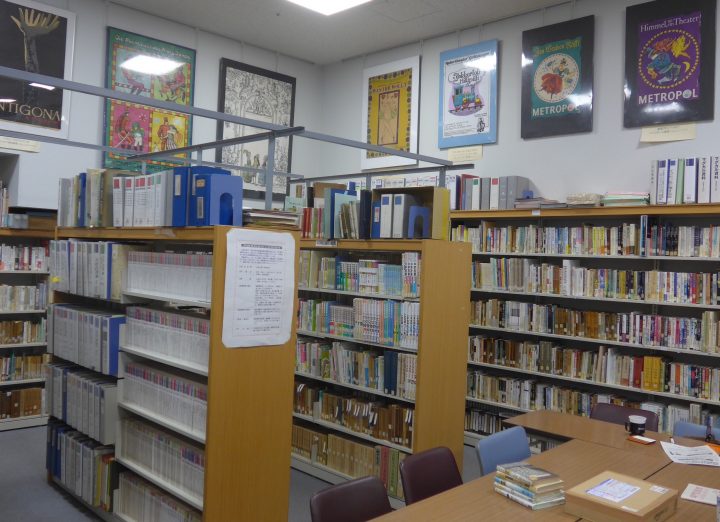
Obirin University, located in Fuchinobe, Sagamihara City, has a Faculty of Arts and Culture, and it may not be widely known that many actors and dancers who graduated from the university are currently active in the entertainment industry. However, the university's Prunus Hall is conducting pioneering activities on a national level.
First of all, the management and operation of the hall are mainly handled by students, and it serves not only as a place for student practical training and presentations, but also as a "theater open to the community" where various events are held.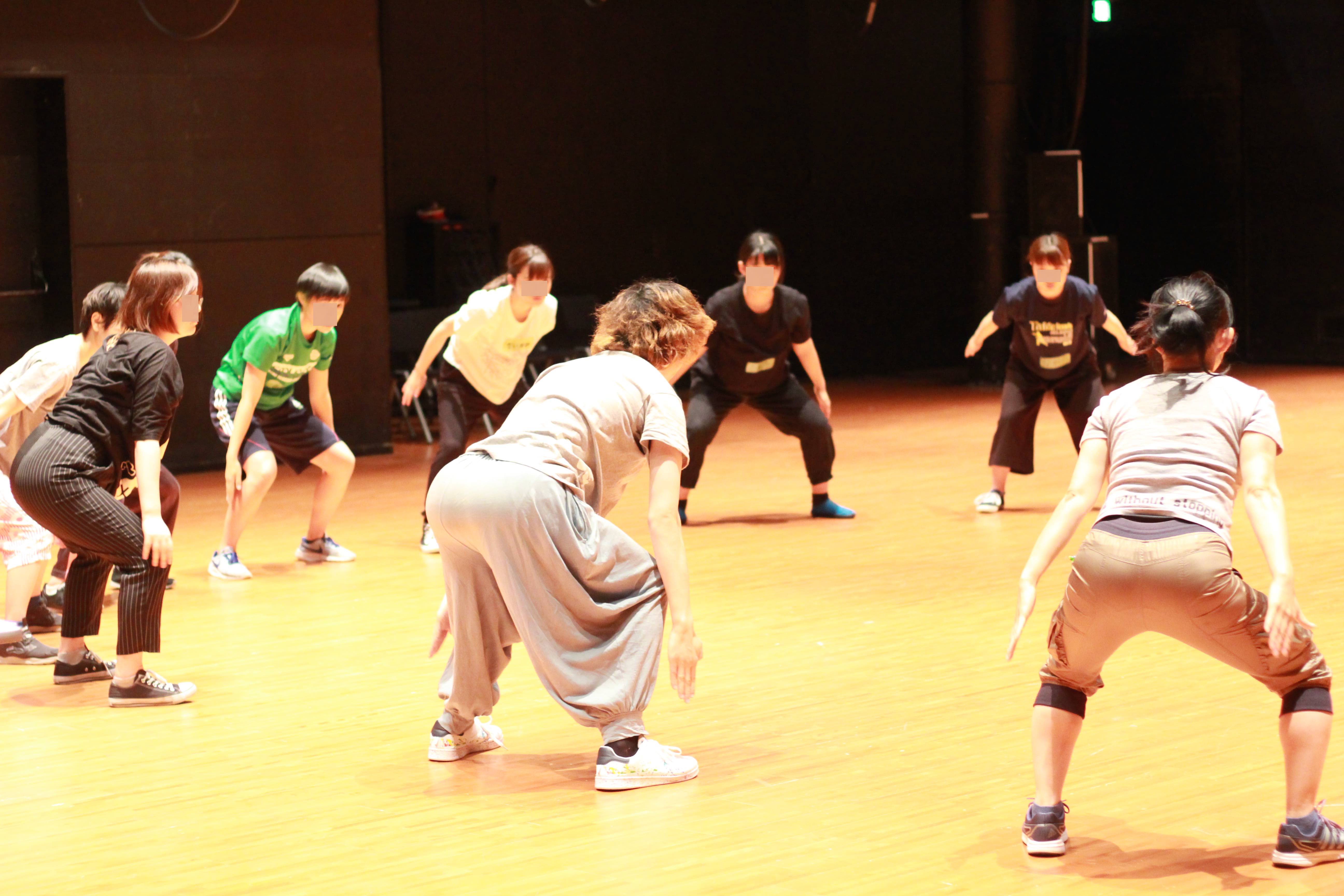
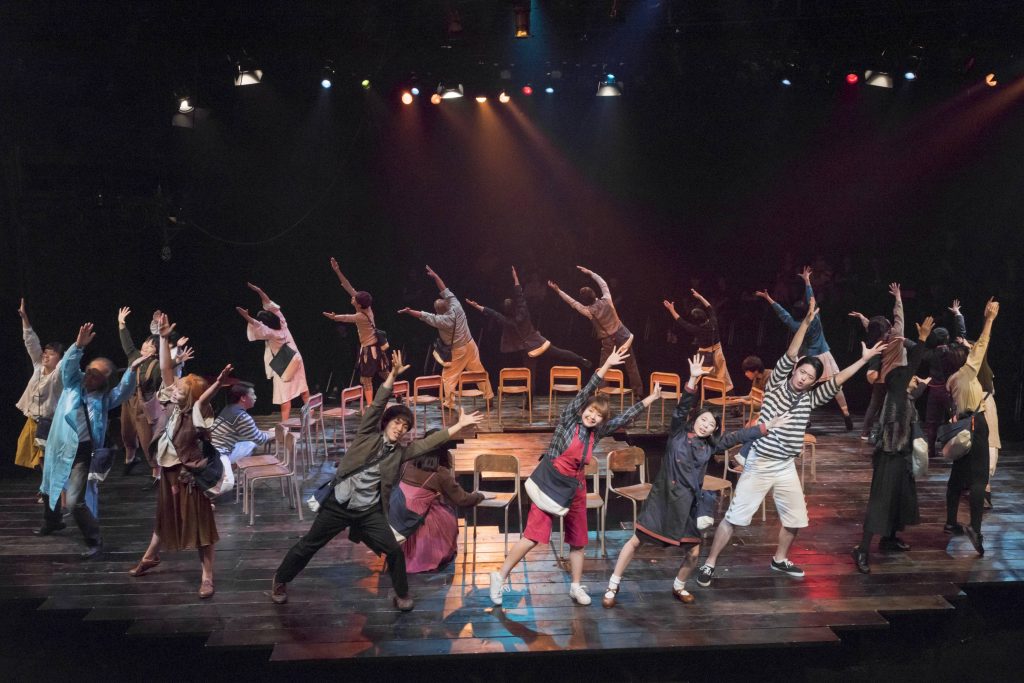
To embody that mission, the choral recitation musical "Night on the Galactic Railroad" was created as a community participation project and has become a summer staple, like the face of the theater. This stage production, created by citizens, students, and professional artists, is now in its 12th year.
Apparently, a staggering 8,521 customers have witnessed this so far.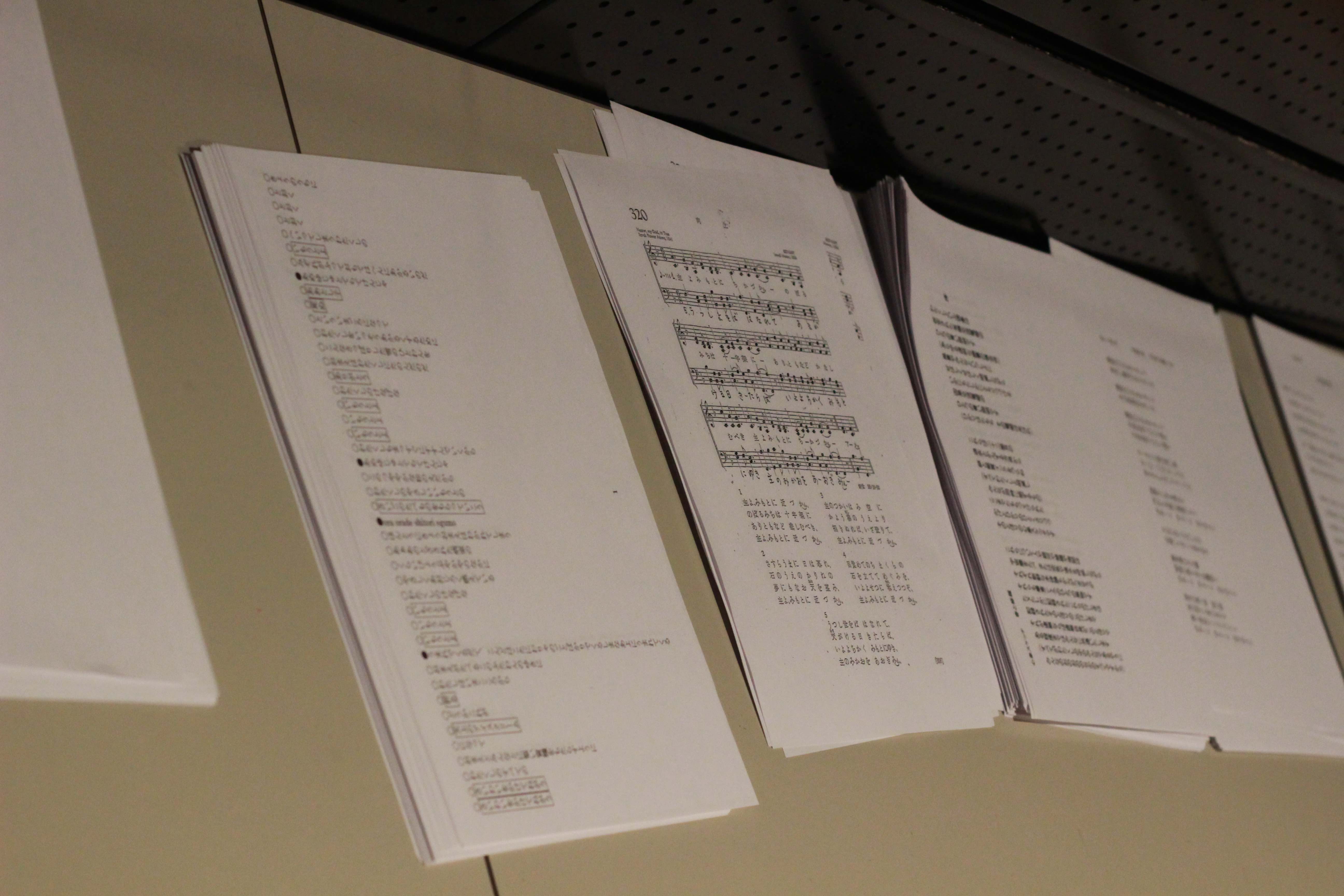
In Fuchinobe, where Prunus Hall is located, the area is known as the "City that Soars Through the Galaxy" because of the presence of JAXA (Japan Aerospace Exploration Agency). Streets are named after constellations, and a "Galaxy Festival" is held in the summer, creating a townscape that evokes the universe. In that sense, Kenji Miyazawa's "Night on the Galactic Railroad" is a perfect subject for the story.
Furthermore, Kenji's unique writing style, imbued with his distinctive breath, is said to be full of a desire to convey something. The story, which fantastically depicts life and death with the protagonist Giovanni's loneliness as its theme, allows us to hear the "voices of humanity"—sadness, joy, and longing. These "voices" are being expressed by a diverse group of citizen cast members and students selected in auditions held last May.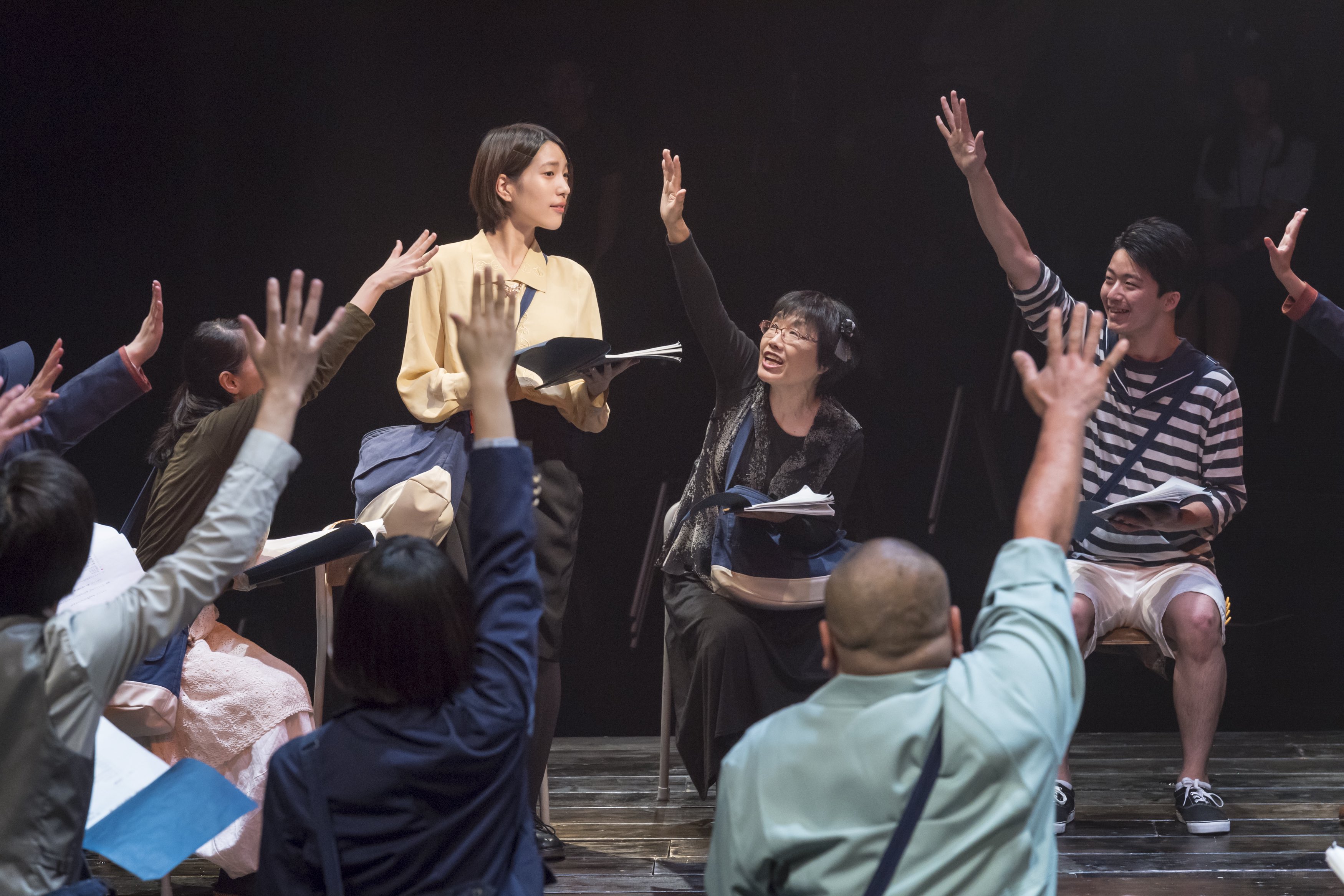
The stage is circular with a pond filled with real water in the center, and an island-like acting area within it. Chairs are placed around the pond, and although the cast members hold scripts, they run around, dance, and even jump into the water. Furthermore, there is a sound collaboration with live music, singing, and body percussion. The stage, where dynamic bodies and Kenji's words imbued with strong emotions merge, is transformed into a very profound world.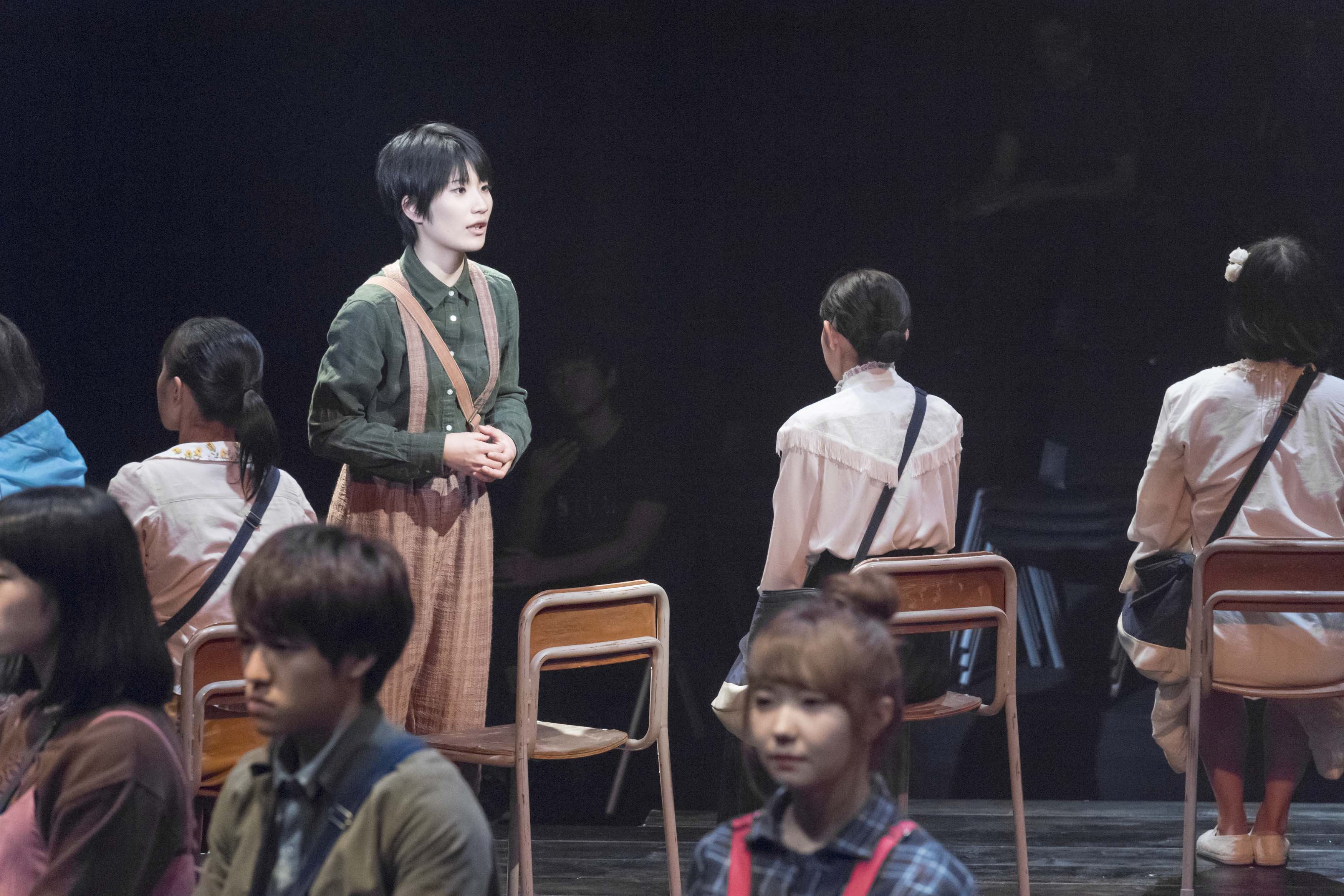
The rehearsals only last one week during summer vacation, but we get to occupy the same space and stage design as the actual performance from noon until night, which is a very luxurious environment.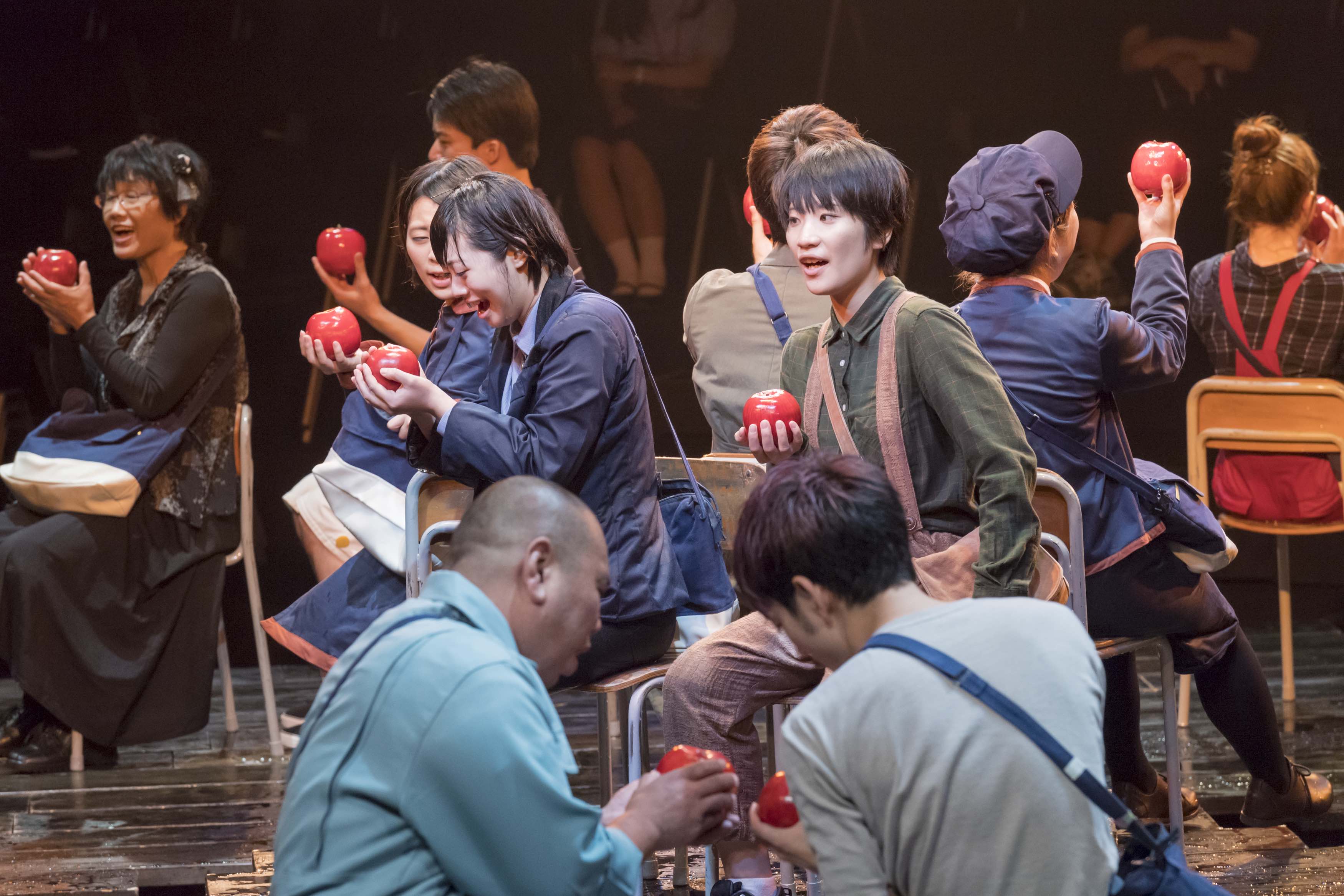
The purpose of this project is for organizers, artists, and participants to provide high-quality performing arts, and to increase interest in the arts by allowing each other to present their values regardless of generation, gender, or occupation, and to promote artistic activities together with the community.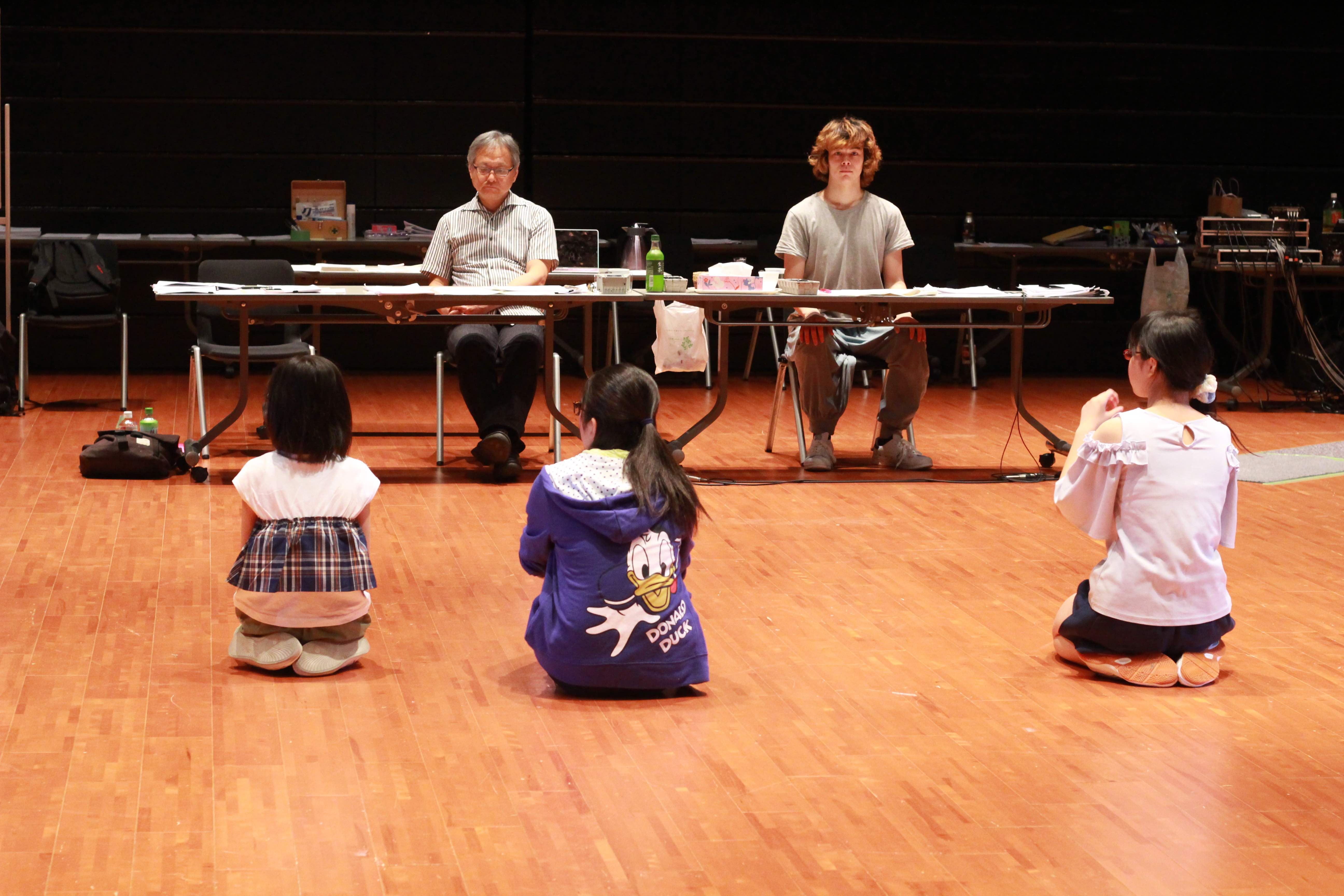
"After it was over, I received a letter from one of the participating citizens, and I was deeply moved by the fact that they wrote that the way people of various generations were wholeheartedly focused on one stage was perhaps the ideal form of community that Kenji Miyazawa aimed for, as described in 'An Introduction to Peasant Art'."
"One woman who participated at the age of 70 auditioned again 10 years later at the age of 80, just to commemorate the occasion, and she passed with flying colors. What's more, far from showing any signs of decline, she seemed to shine even brighter. It was a lesson for us in the importance of perseverance."
This is a memorable quote and an anecdote that Professor Masao Noso, who is in charge of the production, has encountered among the citizens he has met.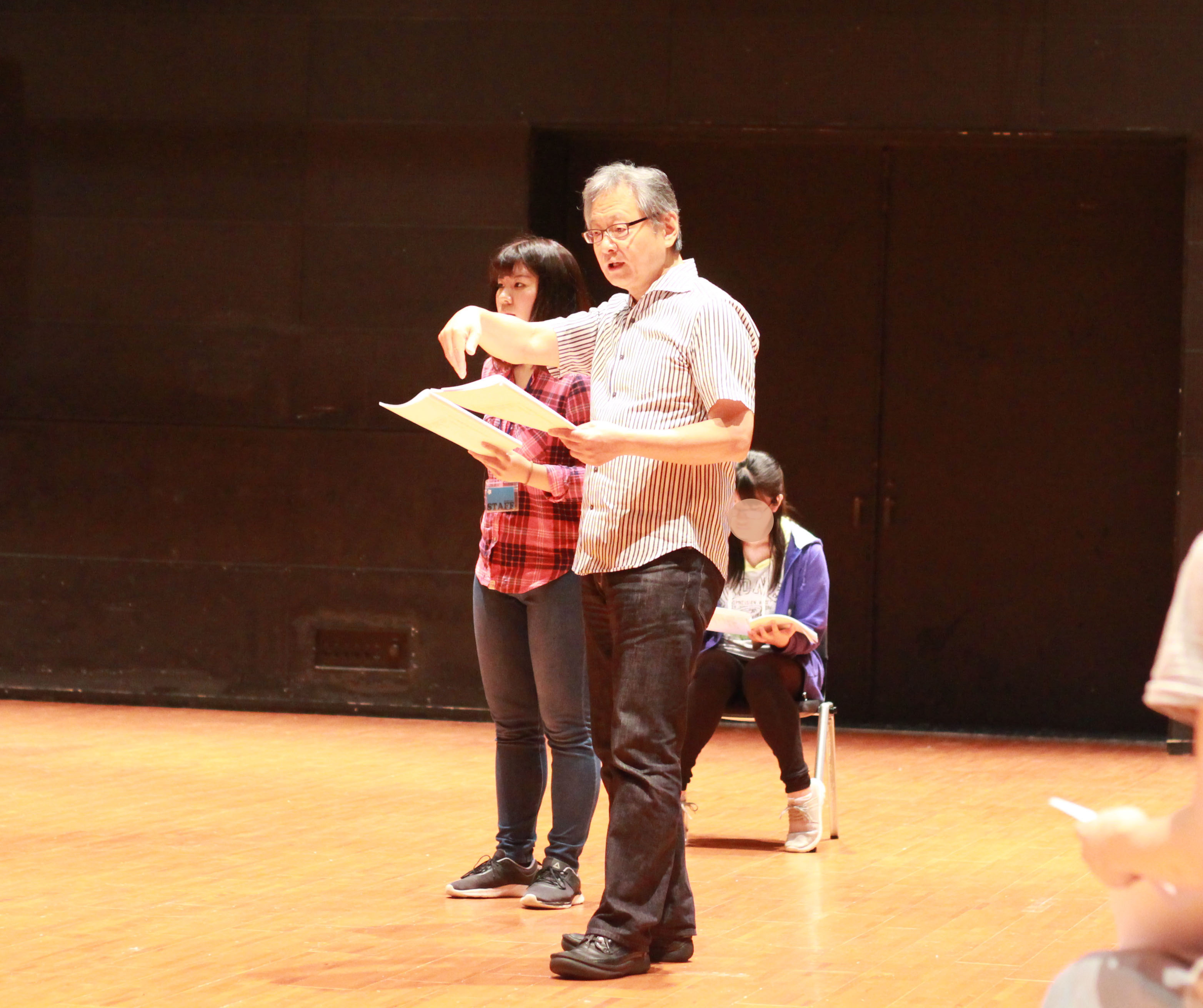
As the company has built its history, in 2011, following the Great East Japan Earthquake, they created a work based on the theme of "Kenji Miyazawa's Prayer." It was even featured on an NHK program as "a stage for overcoming the disaster."
In 2014, they traveled to Nishiwaga Town in Iwate Prefecture, Kenji's hometown, and created a Nishiwaga version of the work, recruiting performers from the local community. In 2015, they co-hosted performances at two theaters, "Fuchinobe" and "Meguro," with Meguro Persimmon Hall. Furthermore, in 2016, they performed in Tainan City, Taiwan, and this October, as part of an inter-university exchange program, they are scheduled to perform at the China Academy of Traditional Chinese Performing Arts in Beijing.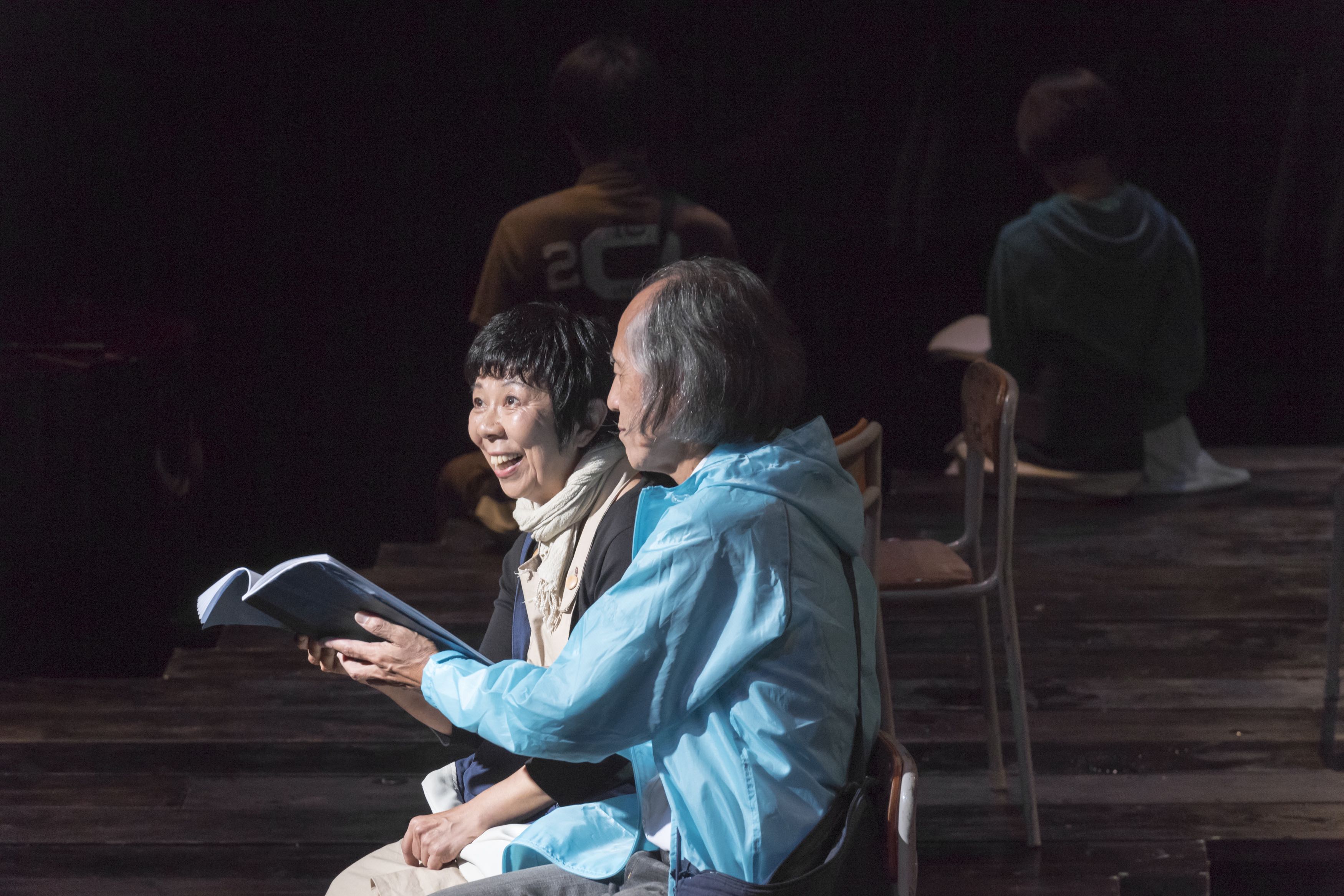
There aren't many works that grow together with the citizens in this way. I think the driving force behind this is that, instead of just ending with "fun" because it's citizen participation, they deliberately made it a paid event and aimed for a high-quality work.
The musical play "Night on the Galactic Railroad," which is evolving from a theater staple to a city landmark, will likely depend on how deeply it can connect with the community if it truly becomes a part of the city.
*Photo courtesy of Obirin University Prunus Hall
*All stage photos are from the 2017 performance.
This event has ended.
OPAL x Obirin University Prunus Hall Production / Citizen Participation Project
Choral recitation musical drama "Night on the Galactic Railroad 2018"
■Date and time: Thursday, August 23, 2018 to Sunday, August 26, 2018
■Venue: Obirin University Prunus Hall
■Original work: Kenji Miyazawa
■Script and Direction: Masao Noso (Professor, Department of Theatre Studies, Faculty of Arts and Culture, Obirin University)
■Music: Akiko Kobayakawa (Associate Professor, Department of Music, Faculty of Arts and Culture, Obirin University)
■Choreography: Hatsune Farrell Kanda (Graduate of the Faculty of Arts and Culture, Obirin University)
■Performers: 23 citizens and students selected through auditions, Hatsune Farrell Kanda (dance), Akiko Kobayakawa (piano)
■Ticket prices: General admission 1,200 yen / Students 1,000 yen *300 yen extra on the day of the event
■Release date: July 16th (Monday)
■Showtimes: 19:00 on the 23rd and 24th, 14:00/19:00 on the 25th, 14:00 on the 26th
■Inquiries: Obirin University Prunus Hall Tel. 042-704-7133 (10:00-18:00)