The meaning of raising people
The grand stage for Kyogen performers living in the 21st century
Vol.12 The meaning of raising people
Ozo doctrine (Noh performer Kyogen style Ozo school)
I think it's the same in any organization, but developing people is incredibly difficult!
I currently have one apprentice. He is five years younger than me and came to my father's house right after graduating from university. Naturally, I became his instructor.
Since it was my first experience raising children, I spent my days figuring out how to interact with them and how to communicate with them. It was during this time that I had an epiphany when I read Shizuka Ijuin's book, "The Way of Adulthood."
"When you scold someone, do so in your own words."
"It's okay if it's unfair. Society is even more unfair."
Up until then, I had always kept a bit of distance in my interactions with others, but following Mr. Ijuin's advice, I decided to express my thoughts in my own words. Sometimes I might say a little too much, but I make sure to follow up afterward.
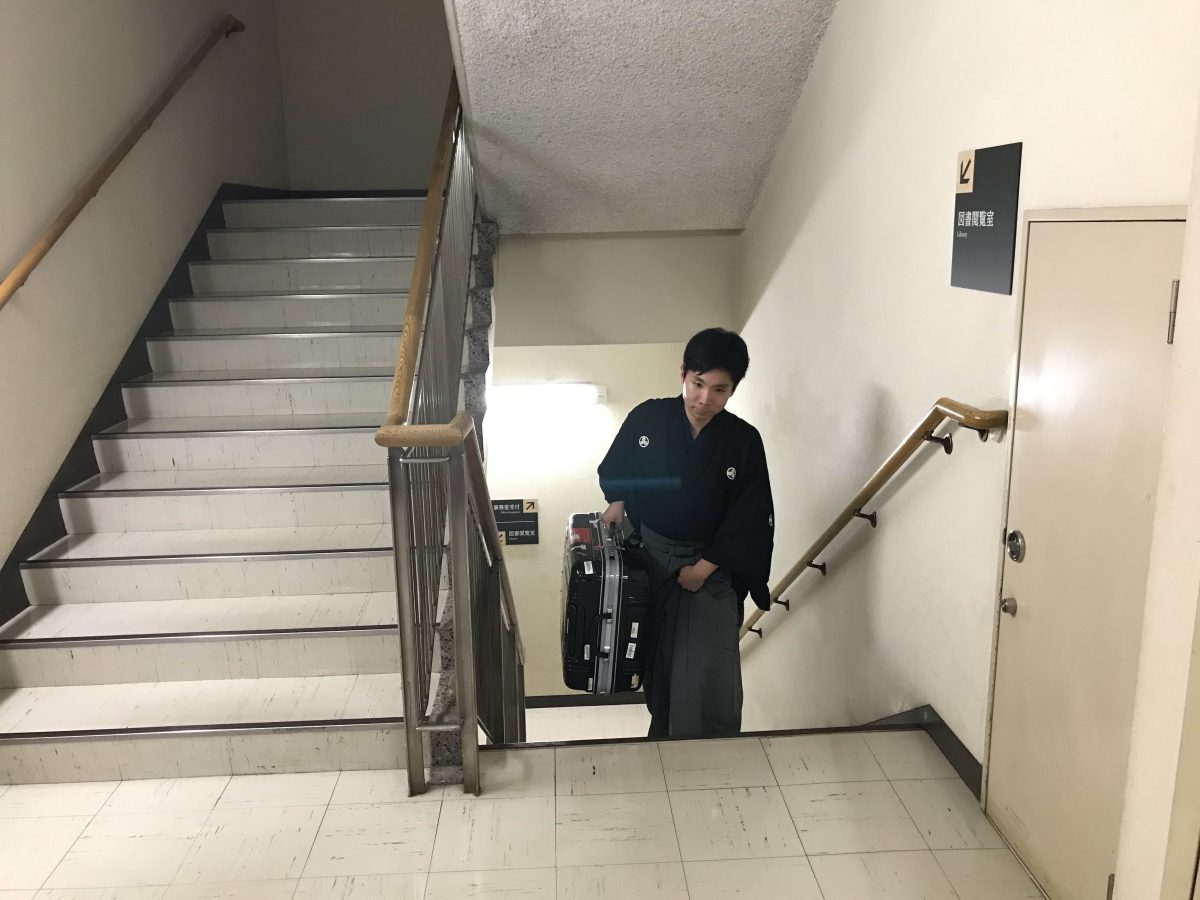
The apprenticeship process begins with the basic task of carrying bags. On training days, they are asked to clean from the morning. They are taught how to clean from scratch, including how to clean the tatami mats and the stage floor.
On performance days, the costumes are transported to the dressing room. In the dressing room, the costumes are arranged on the costume racks. It's also important to prepare any necessary props for the stage. If you don't know how to prepare them, I'll teach you and answer any questions. I'll also correct anyone who mishandles their costumes.
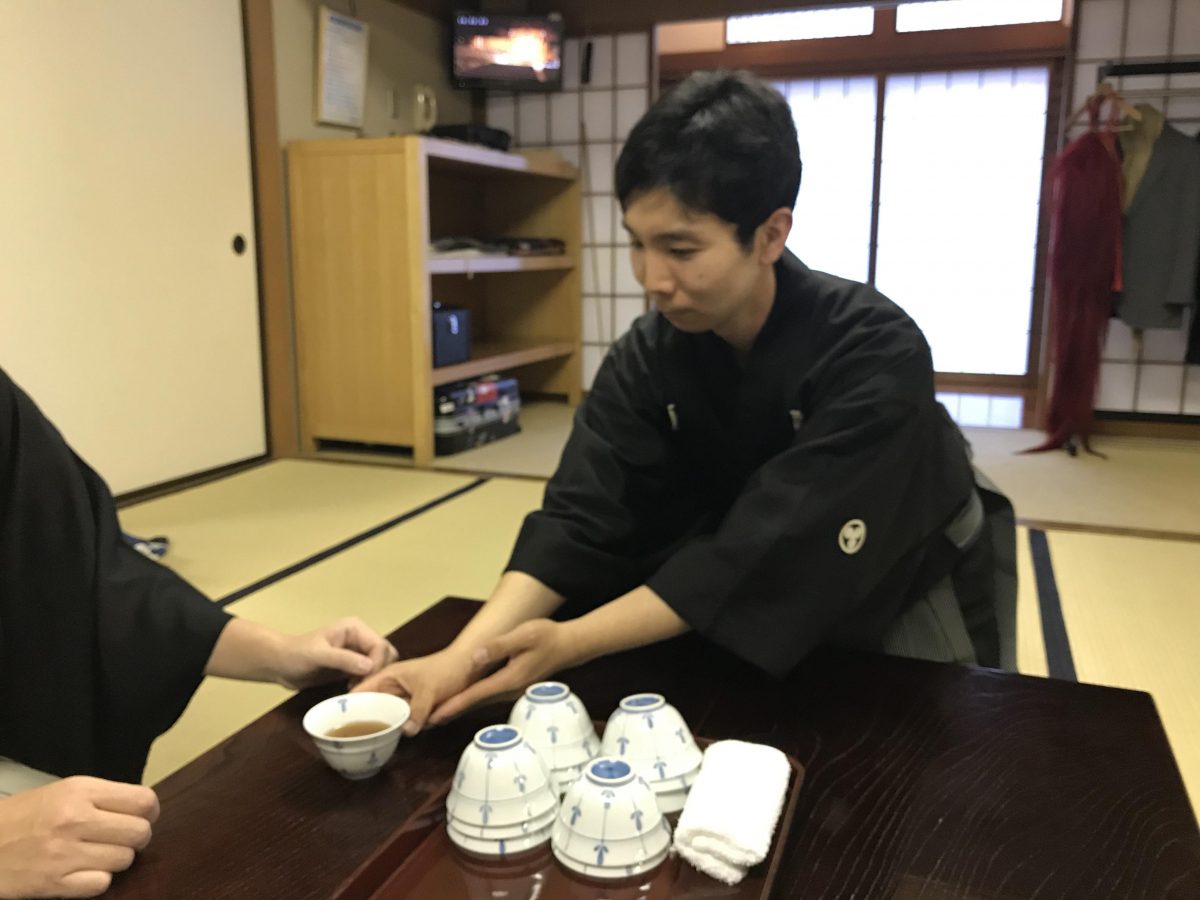
Serving tea is also an important part of the job.
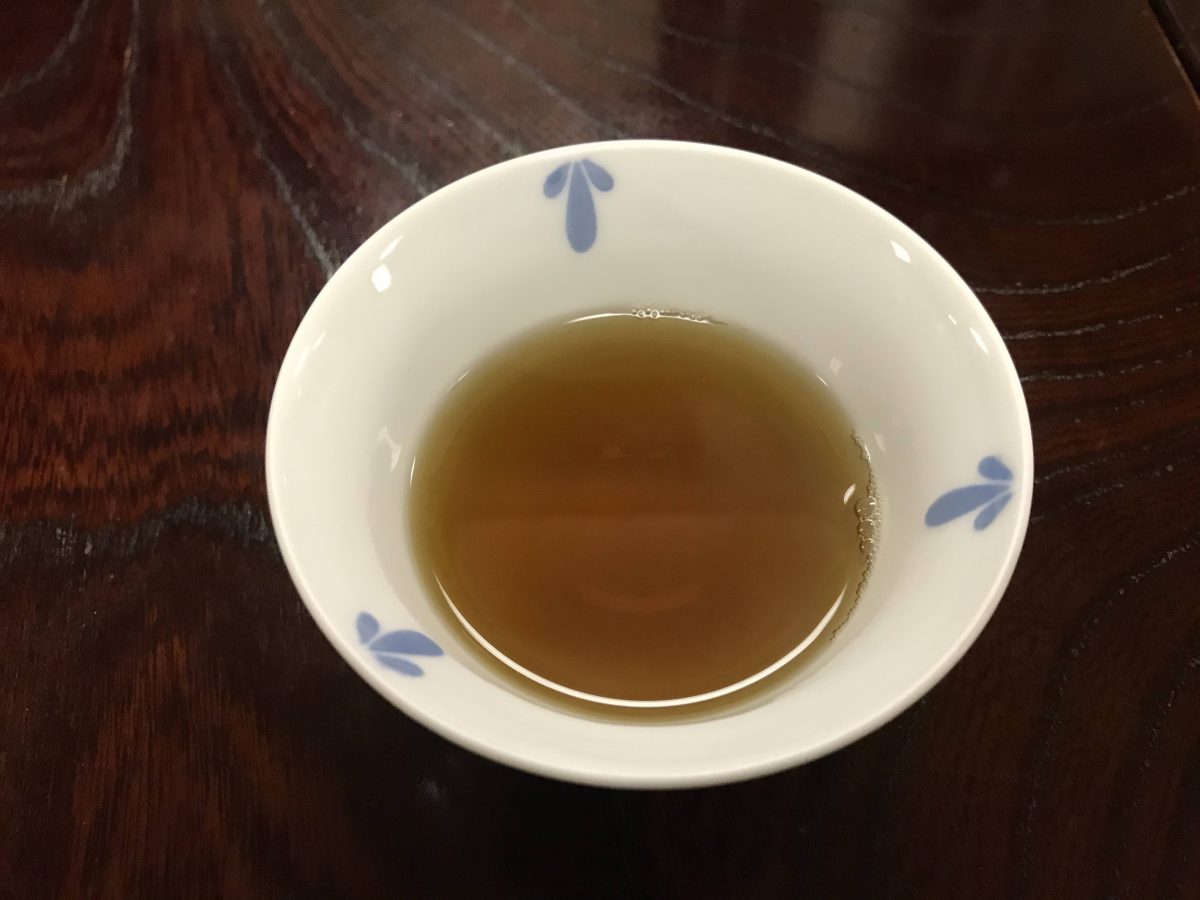
They provide detailed instructions on the timing of brewing tea and how to serve it. For example, if you don't add a phrase like, "Would you like some tea?" or "I've prepared some tea for you," it's unclear whose tea it is. The amount of tea should be about 80% full.
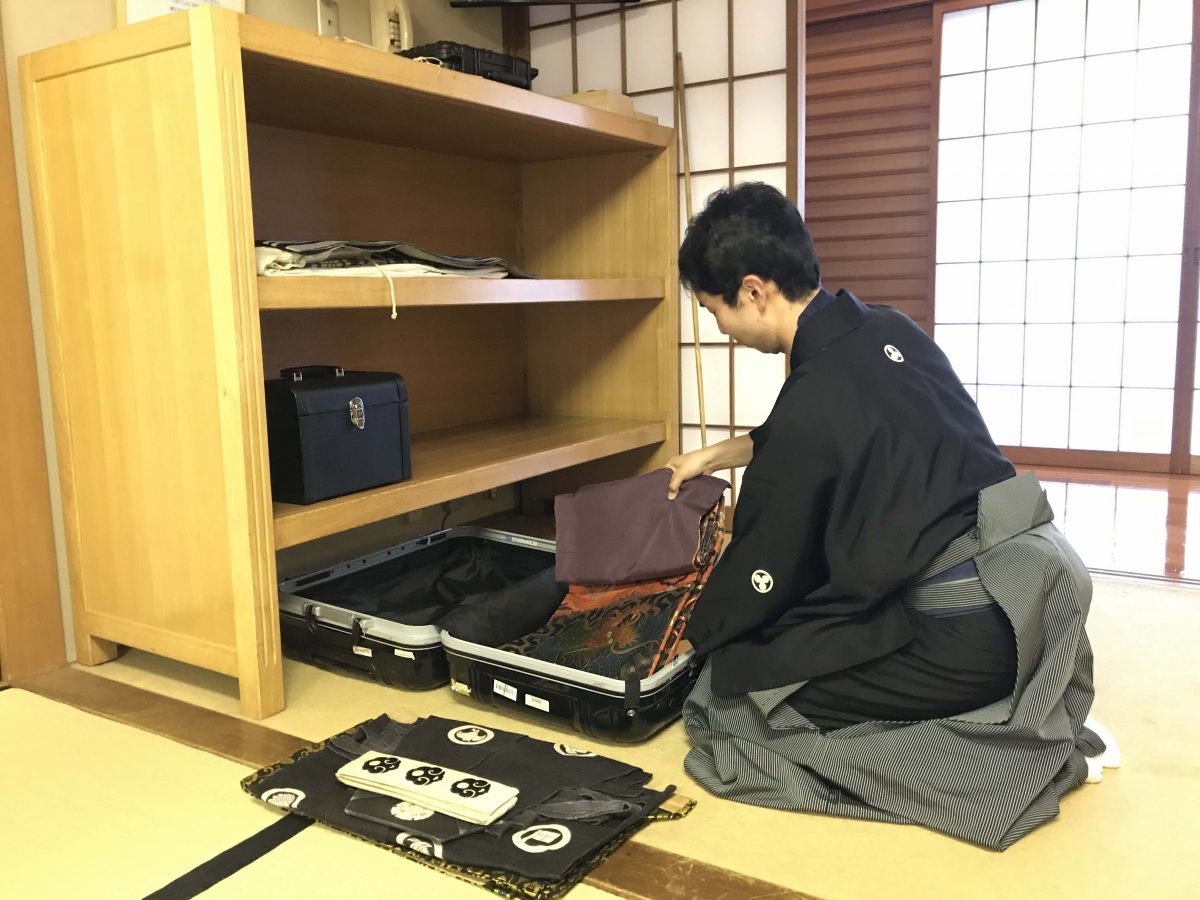
I also have to teach them how to put on the costume. It's important to do it neatly, carefully, accurately, and quickly. If they can't do it, I'll correct them, and sometimes I'll even get angry.
Even when it comes to folding clothes, we provide instruction to ensure that no incorrect folds are created.
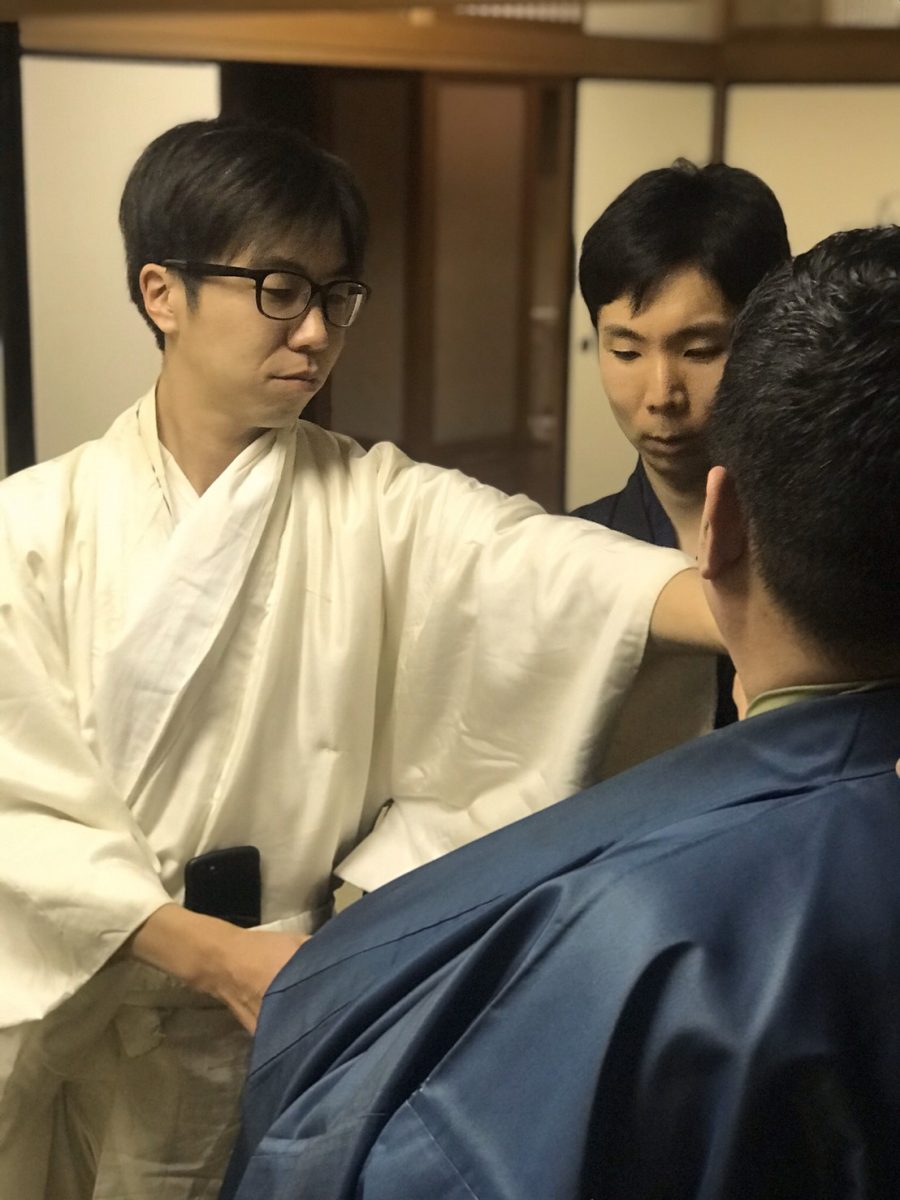
As the saying goes, "A disciple is someone who seeks instruction," so basically, I don't "teach" them. I let them learn by watching, and if they don't understand, I let them ask questions.
By doing so, a proactive attitude towards tackling things naturally develops. Consideration isn't something you have to force; it's something you have to let work. You have to think for yourself about what's needed now and what you should do. You have to solve problems on your own.
The trust that develops there becomes a strong bond, leading to robust teamwork.
Beyond just stage performance, his attitude towards work, his manners, and his character as a person are all extremely important. I feel it's my duty as his mentor to nurture him so that when he becomes a full-fledged professional, he won't be embarrassed wherever he goes.
He's been a student for 10 years now. I think he's done a great job sticking with me. People are different ages, and they come from different backgrounds. Their values and ways of thinking are different, but I want to continue building a good relationship with him, recognizing his strengths and respecting each other.