But we will keep living.
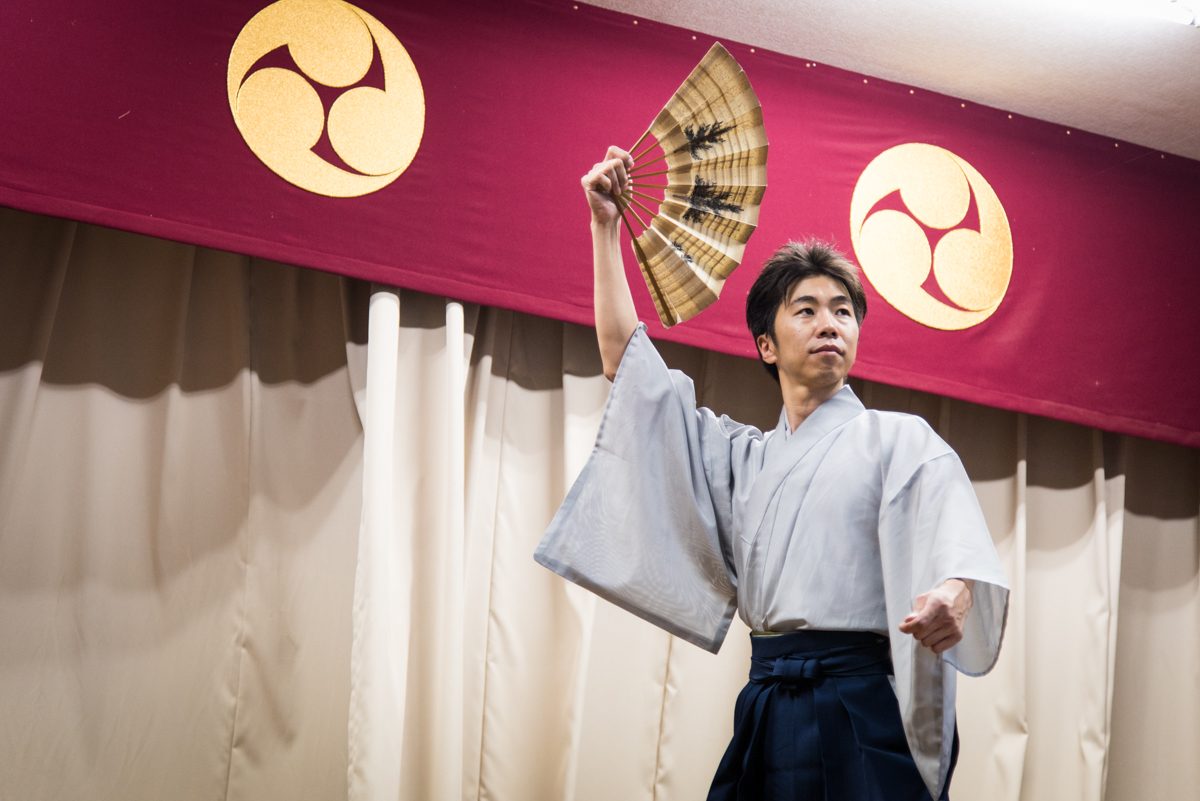
The grand stage for Kyogen performers living in the 21st century
Vol.13 The "Core" of Tradition and New Values
Ozo doctrine (Noh performer Kyogen style Ozo school)
In February, as the COVID-19 pandemic was slowly spreading throughout Japan, various events, including those in the sports world, were canceled, and our entertainment world also saw a series of cancellations and postponements.
Since the performance in March, I've only been on stage once. There's no prospect of the performances until August being held either, but that's unavoidable since my job is right in the middle of the "three Cs" (closed spaces, crowded places, and close-contact settings) that the government is advising against. I think the organizers also have no choice but to cancel, considering the transportation situation for the audience.
I also had a self-produced performance scheduled for May 31st, but I had to cancel it.
"There's nothing I can do."
"Culture and art are powerless..."
I really hate feeling negative, so I thought, "Now is the perfect time to do something I've never been able to do before!"
It sounds strange, but I was feeling a bit confident, thinking, "Maybe a little bit off-kilter is forgivable in the current situation?"
First, we moved the Kyogen (traditional Japanese comic theater) classes online.
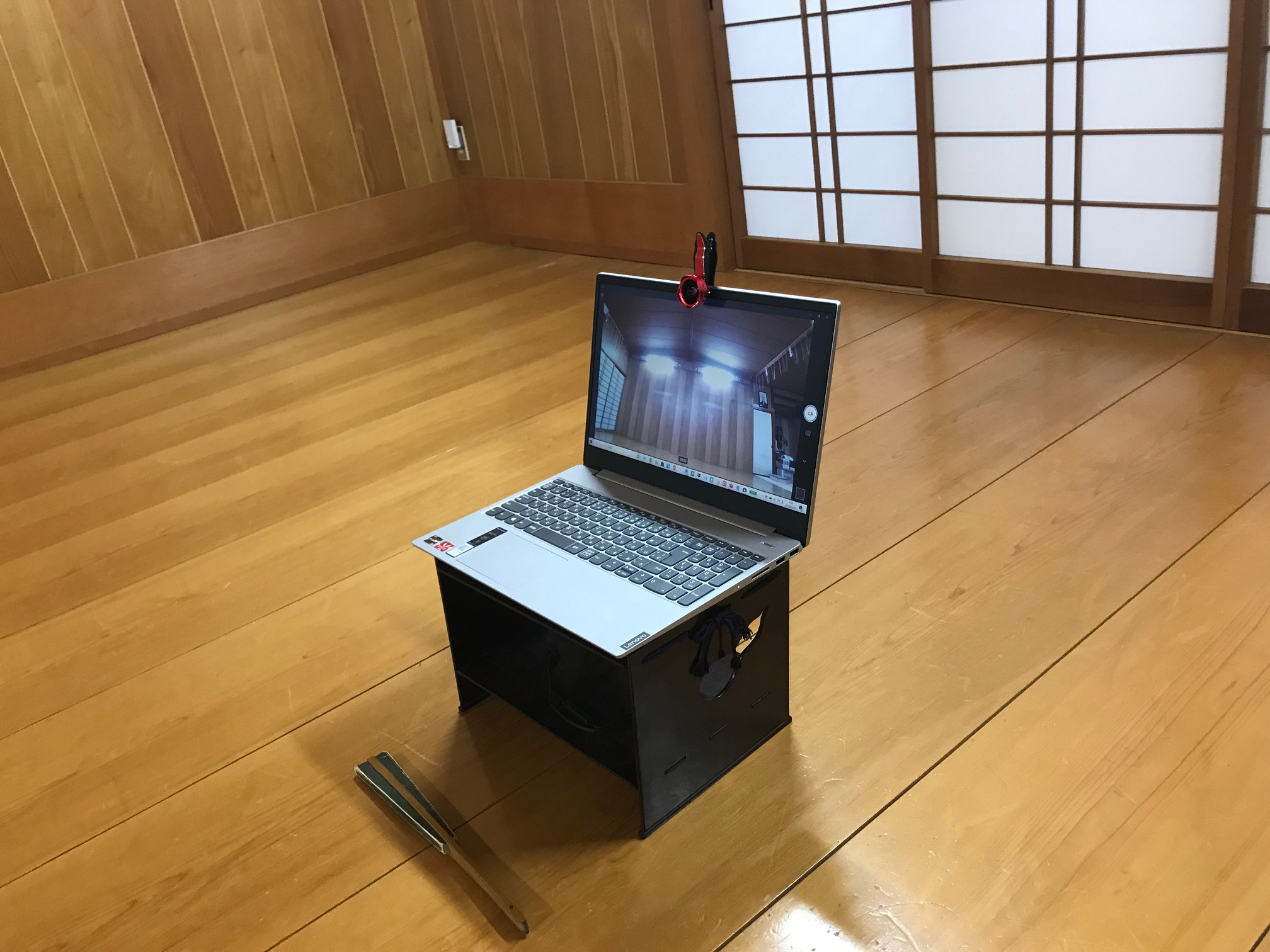
Though modern, the sentiment should be solemn.
I started this at the request of my students, and it's surprisingly fun. While there are limitations to what we can do online, I'm exploring ways to conduct lessons that are unique to online learning.
Furthermore, with university classes likely to move online, I felt a strong desire to teach more thoroughly, which led me to collect various pieces of equipment.
It's a solemn occasion, but somehow it's fun when the amount of equipment increases!
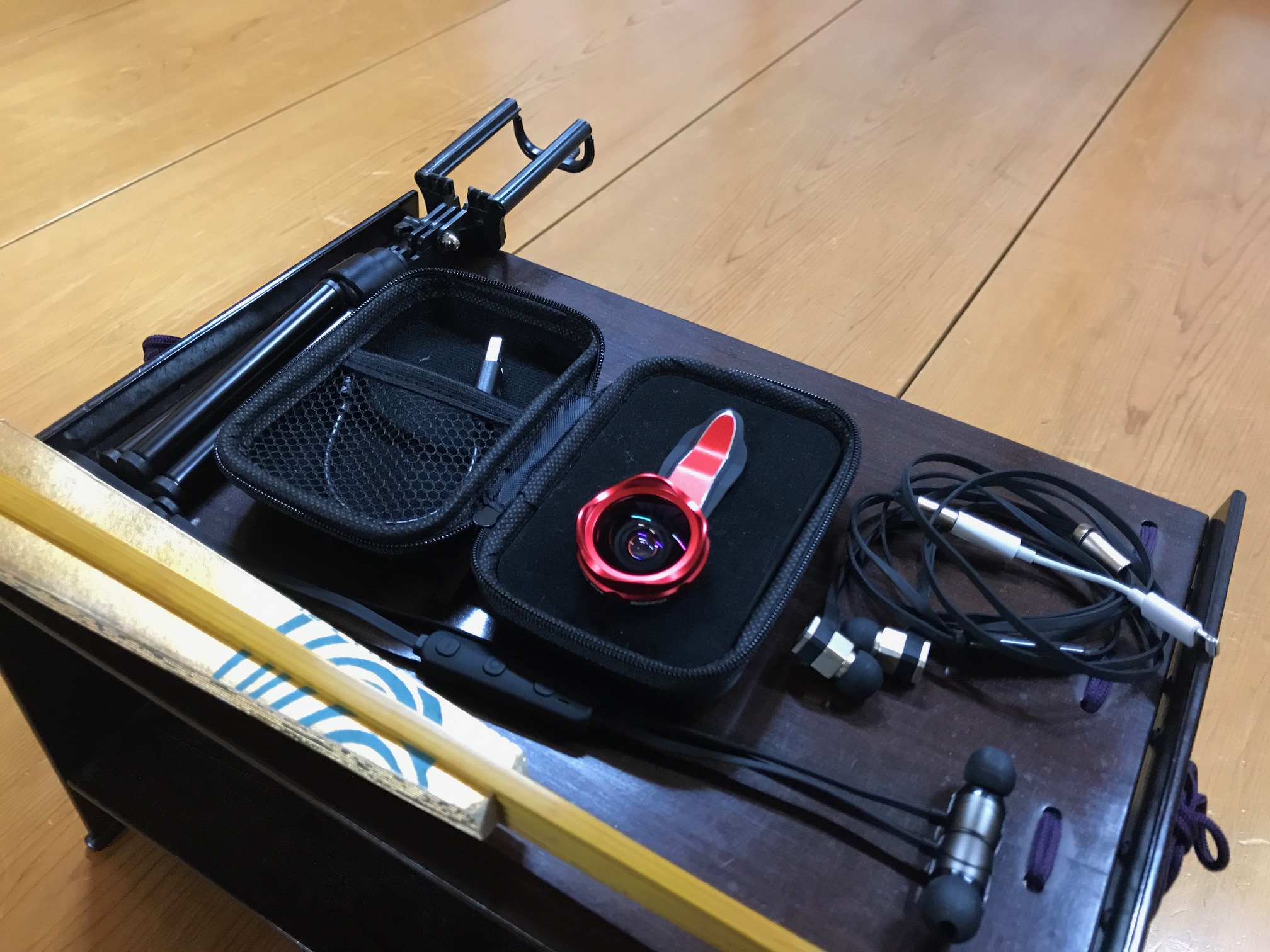
From right to left, we have wired and wireless earphones, a wide-angle lens in the center, a phone stand on the left, and a fan in the foreground. In other words, I now have more things to prepare for practice (laughs).
The students were also happy to be able to speak and move their bodies, as they had been confined every day.
Next, taking advantage of the trend of many artists taking on various challenges on social media, I created and uploaded a hakama challenge and a memorization challenge.
First, this is the "Hakama Challenge" that was posted on Twitter. It's essentially a challenge to the students.
Quickly putting on a kimono is something we take for granted, but it seems to be surprisingly difficult for modern people, and when I posted "Try it if you have a hakama at home lol," I got an unexpected response.
I really want children to try the "Memorization Challenge." It features a lot of fish names, so even fishing enthusiasts should enjoy it.
[Can you remember it? "The Fish Sutra"]
The essence of my work lies in the desire to have people see it, to bring them joy, and to be of service to them.
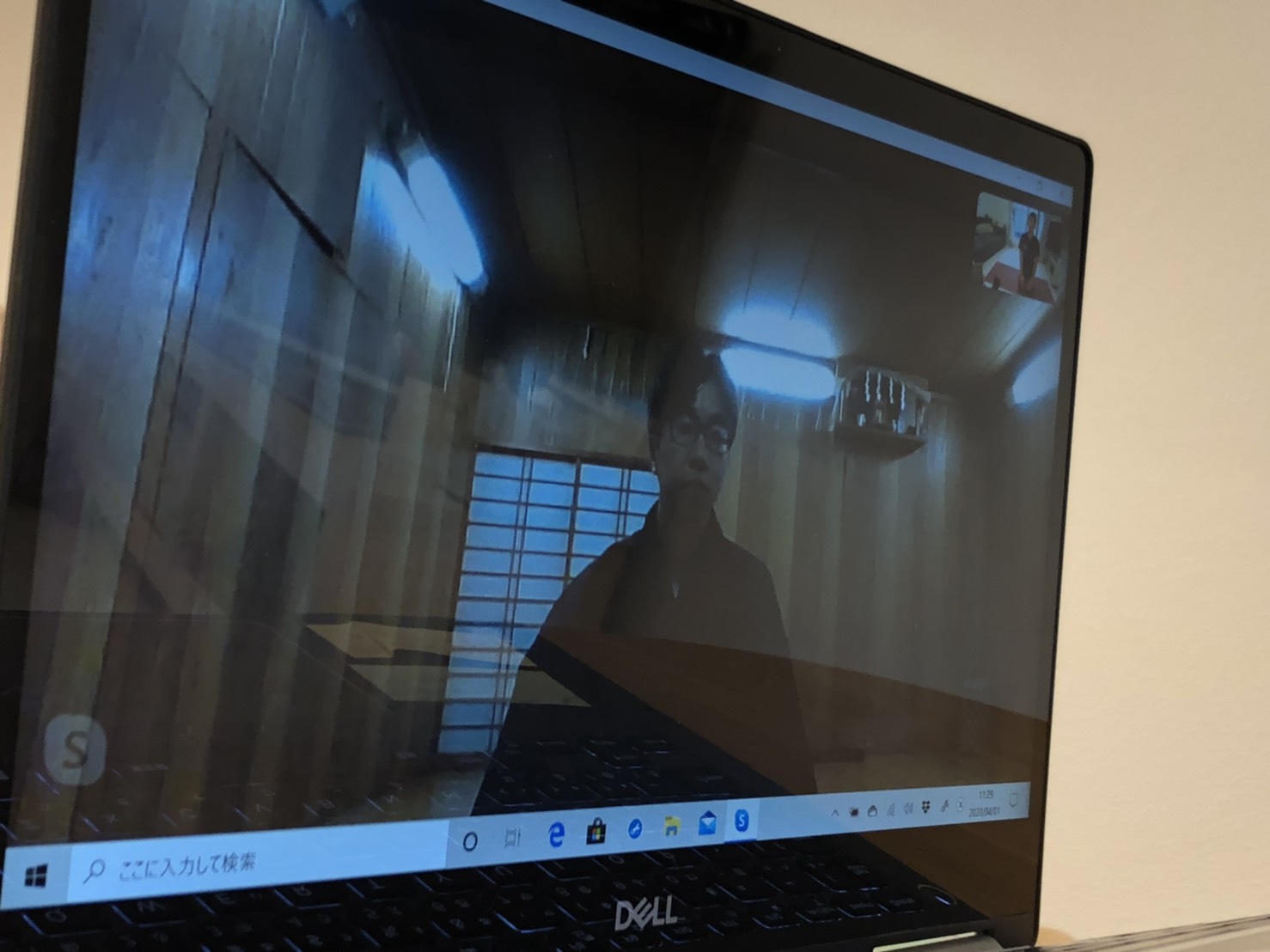
So, what will happen to the entertainment, theater, and music industries after this? If it's difficult to gather in person, will things naturally shift towards video streaming?
It is said that many performing arts existed during the era in which Noh and Kyogen were born. They developed by incorporating various genres, and over a long period of time, they underwent a process of selection and were elevated to the level of first-class art. However, with the Meiji Restoration, they were no longer supported by the shogunate and came to live among the common people. During wartime, "laughter" was even prohibited, but they still overcame various hardships and continued to be passed down. Now, as we face the suffering before us, we must perhaps approach it with new values while still holding onto the "core" of tradition.
We cannot let the flame of this legacy, passed down through generations, be extinguished here and now.
Because culture and art are indispensable for people to live.