Unique Art Workshops in Kanagawa: Take Home Memories
Create exceptional pieces rooted in Japanese culture and style
Japan’s breadth of aesthetic value is expansive, ranging from intricate kimono patterns to carefully crafted ceramics and glassware. Each piece tells a story, reflecting the elegance, quality, and soul of Japanese craftsmanship.
In Kanagawa Prefecture, adjacent to Tokyo, you can experience this depth of creativity firsthand with workshops that meld modern design with techniques and cultures of the past. Across two cities—Kawasaki and Yokohama—we will introduce three art/craft activities that will leave you with an enlightened mind and an unforgettable souvenir. Each workshop allows you to take your finished product home on the same day, so you don’t need to worry about future pickup or shipping!
Timeless glassware at Tokaido GLASS
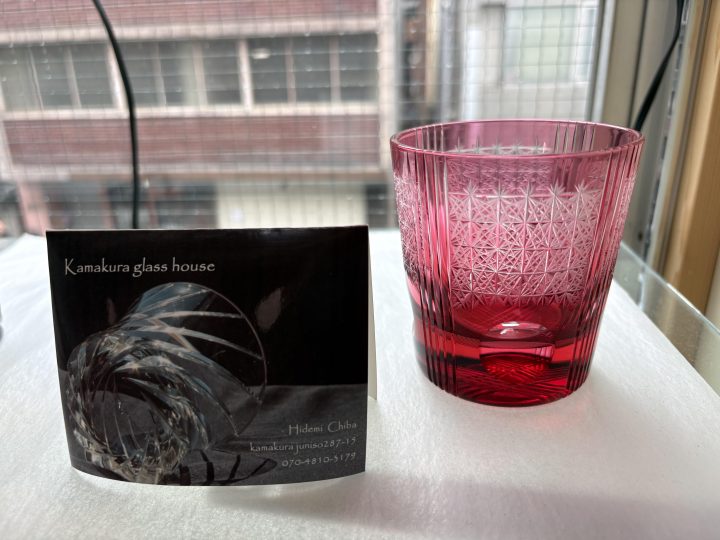
Let’s start with a workshop that teaches the same methods as Edo Kiriko, a traditional Japanese glass-cutting technique that originated in Tokyo during the Edo period (1603–1868). Characterized by its intricate, geometric patterns, this craft requires accuracy and precision, demanding years of training to master it. The resulting products—primarily glass cups—are both detailed and delicate, featuring colorful shadows that reflect the craftsperson’s design.
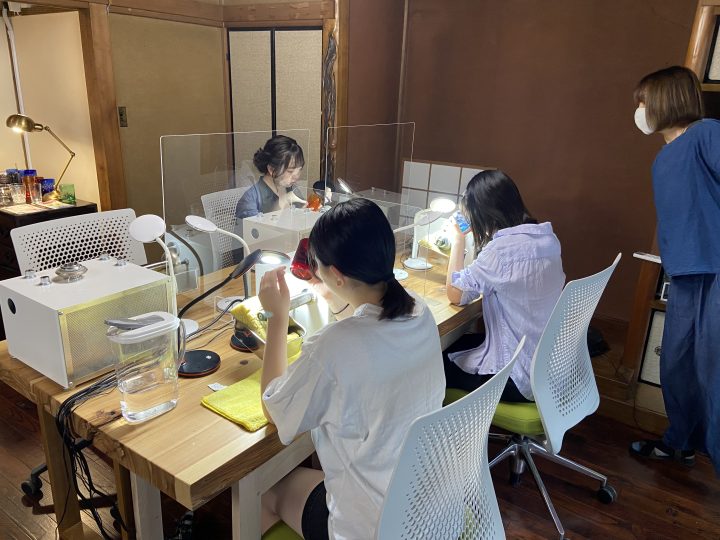
At Tokaido GLASS, just a three-minute walk from Keikyu Kawasaki Station, you can try your hand at this treasured craft with an easy-to-follow, glass-carving experience. Suitable for beginners and lasting about 60 to 90 minutes, this activity is exclusively held on Saturdays, Sundays, and holidays and requires a reservation in advance.
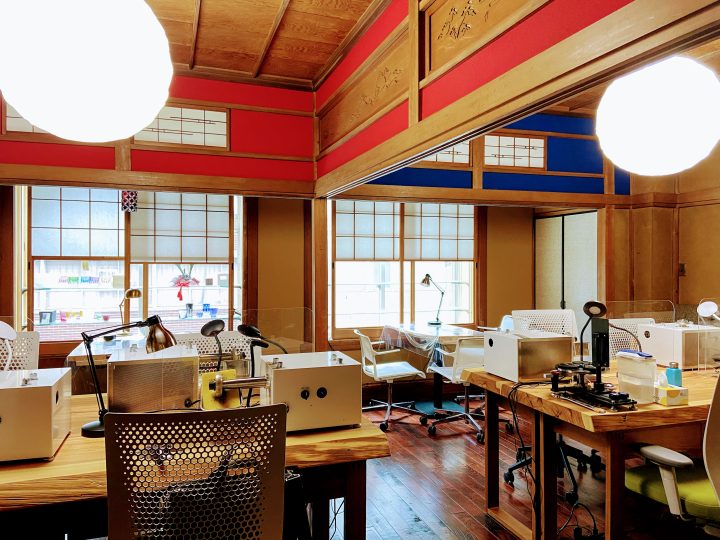
With a helpful artist as your teacher, start by choosing your glassware, whether it be a small bowl or cup, and select the color that speaks to you. Then, after mapping out your design, carefully carve the pattern into the glass with a fast-spinning wheel. During this step, keeping a steady hand and applying appropriate pressure are key.
Most importantly, don’t forget to have fun! Everything is a learning process, and mistakes are bound to happen. Just adapt, move forward, and remember that your design is truly one-of-a-kind.
At the end of the workshop, you will be left with a beautiful, memory-imbued piece that is practical for everyday use and representative of centuries of craftsmanship.
Access from Tokyo (16 minutes): From Shinagawa Station or Haneda Airport Terminal 3 Station, take a train on the Keikyu Main Line directly to Keikyu-Kawasaki Station (13 minutes). Then, walk three minutes to Tokaido GLASS.
Unique rings at Sajiring
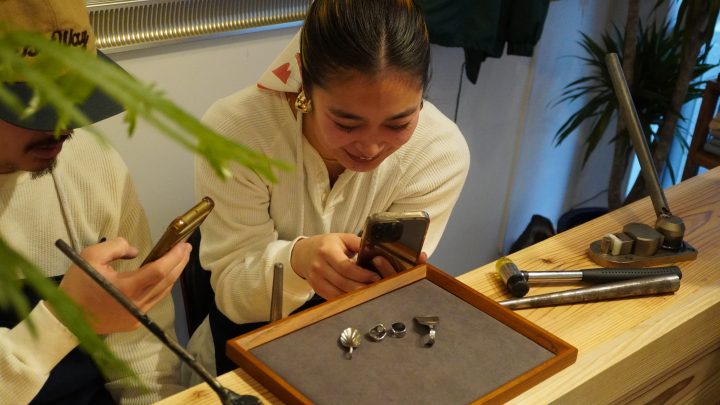
Are you looking for a stylish conversation starter that you can wear every day? Then let us introduce you to Sajiring, a creative workshop where you can transform a Japanese spoon into an irreplaceable ring!
Located just a five-minute walk from Hinodecho Station, Sajiring hosts four workshops a day and keeps the groups small to ensure that everyone has the support they need. The activity takes about 60 to 90 minutes and is ideal for beginners. Also, Sajiring’s owner speaks English, so there is no need to worry about language barrier issues.
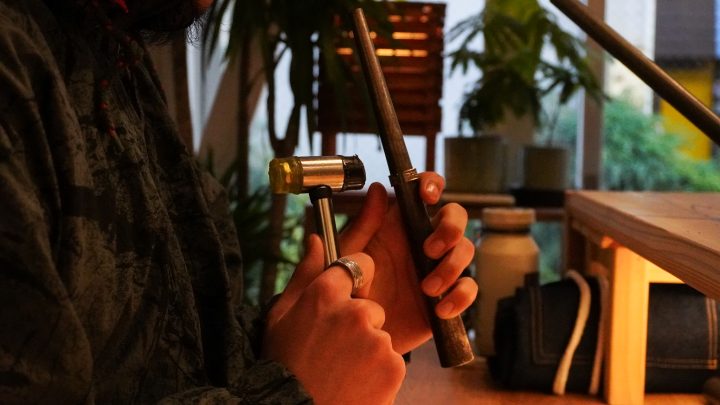
The workshop starts with a roughly five-minute explanation of the product, before jumping into the production process. For about 40 to 60 minutes, you will slowly bend the spoon, creating a ring shape. All the while, staff will be on hand to assist and guide you through any concerns. At the end, Sajiring’s professionals will complete your ring’s final touches.
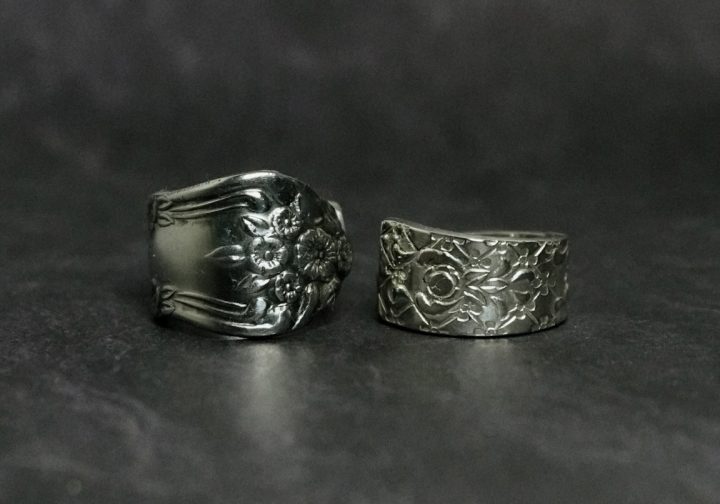
Once your ring is finished, strut out into Yokohama wearing an accessory that exists nowhere else.
Since groups are limited daily, please be sure to make a reservation well in advance!
Access from Tokyo (30 minutes): From Shinagawa Station, board a train on the Tokaido Line for Yokohama Station (20 minutes). Then, transfer to a local train on the Keikyu Main Line for Hinodecho Station (5 minutes). Afterwards, walk five minutes to Sajiring.
Kintsugi Jewelry Experience at Atelier Kotona
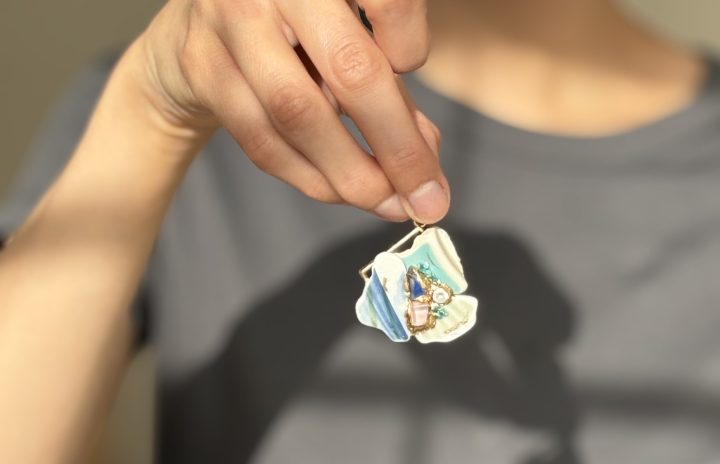
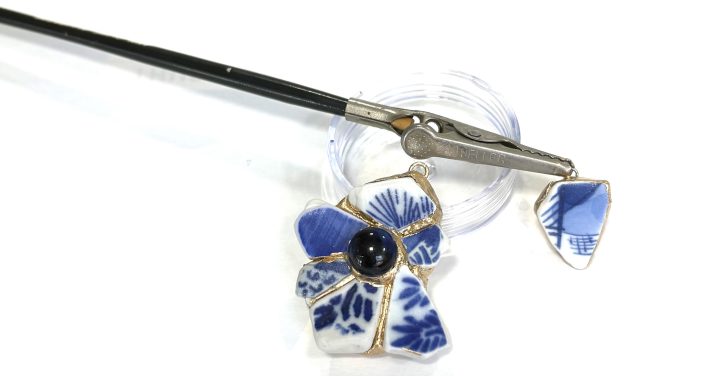
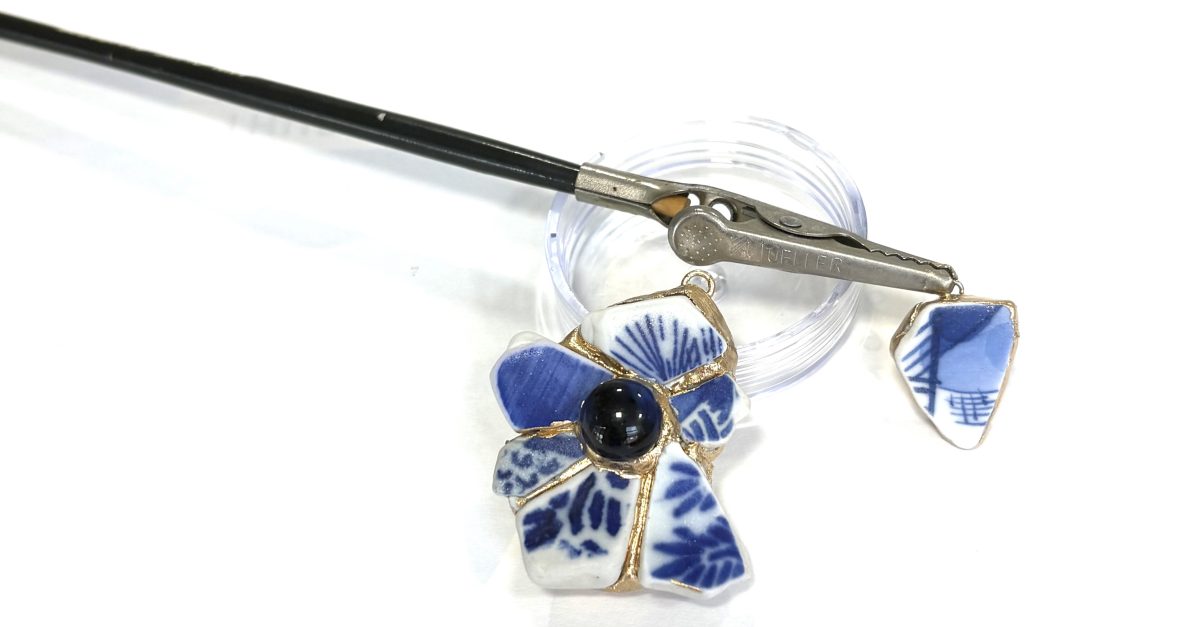
Kintsugi, which roughly translates to “golden joinery” in English, is the Japanese art of repairing broken pottery with lacquer and finishing it beautifully with gold or silver powder. This technique artistically enhances the breaks of a dish and creates an inimitable piece from something that otherwise would be unusable. As opposed to other repair techniques, kintsugi embraces the broken object’s “flaws” and treats them as valuable parts of its history. It symbolizes resilience and healing, showing that even if something is broken, it can move forward with new strength and beauty.
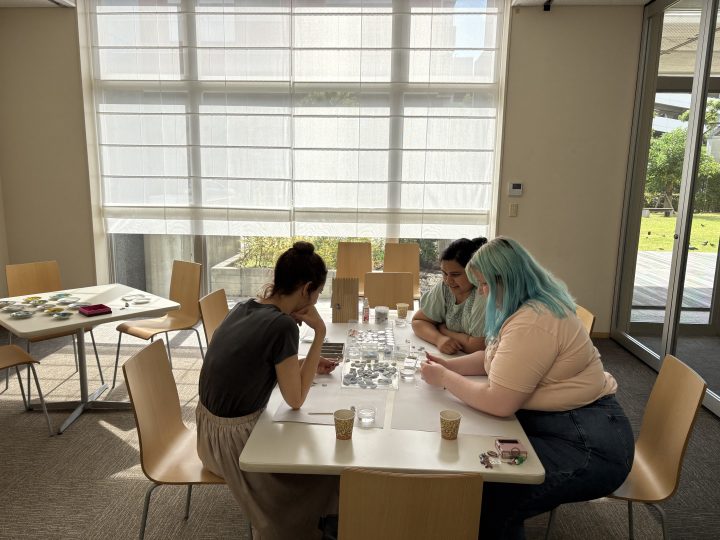
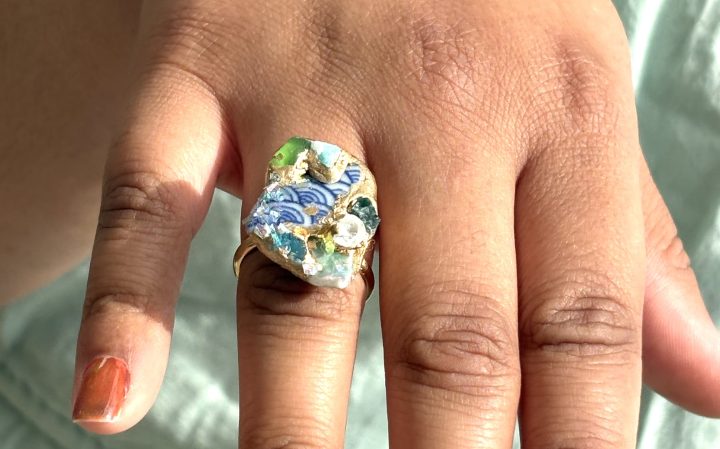
Although kintsugi is primarily used to restore pottery, Atelier Kotona offers a modern approach to this art, inviting people to create one-of-a-kind accessories using modern kintsugi techniques. Available in English and taking approximately two hours, this workshop provides you with a wide range of pottery pieces to choose from, including sea pottery and sea glass collected from beaches. Each piece holds a different story, and by following kintsugi, you can bring them together, creating a personalized accessory with a heartfelt meaning.
Not only is the jewelry sustainable—giving new life to broken pottery—it provides you both the joy of bringing something new to life with your own hands and the pleasure of wearing it.
The atelier only accepts one to six people, so it is important to make a reservation in advance. The workshop is about a one-minute walk from Kawasaki Station on the Keihin-Tohoku, Nambu, and Tokaido Lines.
Access from Tokyo (11 minutes): From Shinagawa Station, take a train on the Tokaido Line directly to Kawasaki Station (10 minutes). Then, walk one minute to Atelier Kotona.
Unforgettable art in Kanagawa
Don’t just buy souvenirs in Japan, make them! With the aforementioned workshops, you can create meaningful, unique, artistic, and culturally-imbued pieces that not only remind you of your time in Japan but showcase Japanese aesthetics, culture, and philosophy.
Visit Kanagawa, and start building irreplaceable souvenirs and memories.