A beautiful presence, quiet strength
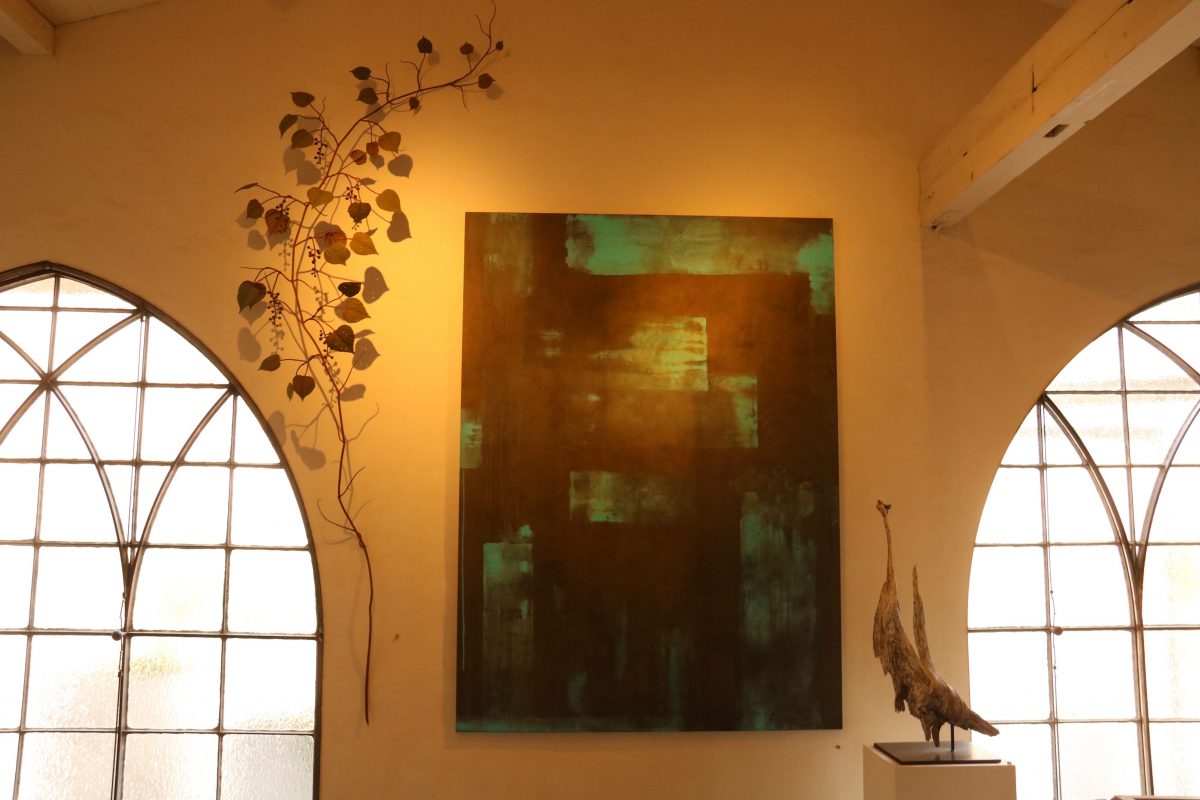
A Stroll Through the Kanagawa Gallery
File.8 special source
Shino Yamamoto (Galerie Watts)
I love the word "presence" or "demeanor." When I encounter the atmosphere that something exudes—a definite presence in stillness, a certain allure—I can't help but sigh and think, "Ah, that's wonderful."
I admire people who, when gathered in a group, have a beautiful presence yet can blend seamlessly into their surroundings.
I felt that kind of atmosphere when I first saw Morrison Kobayashi's wood carvings a few years ago.
I was shocked and delighted to discover that Morrison's studio is located so close to my local home!
There, I co-run "special source" with Chiyo Takasato and Daisuke Nakamura. We each pursue our own artistic activities, as well as interior design and construction work.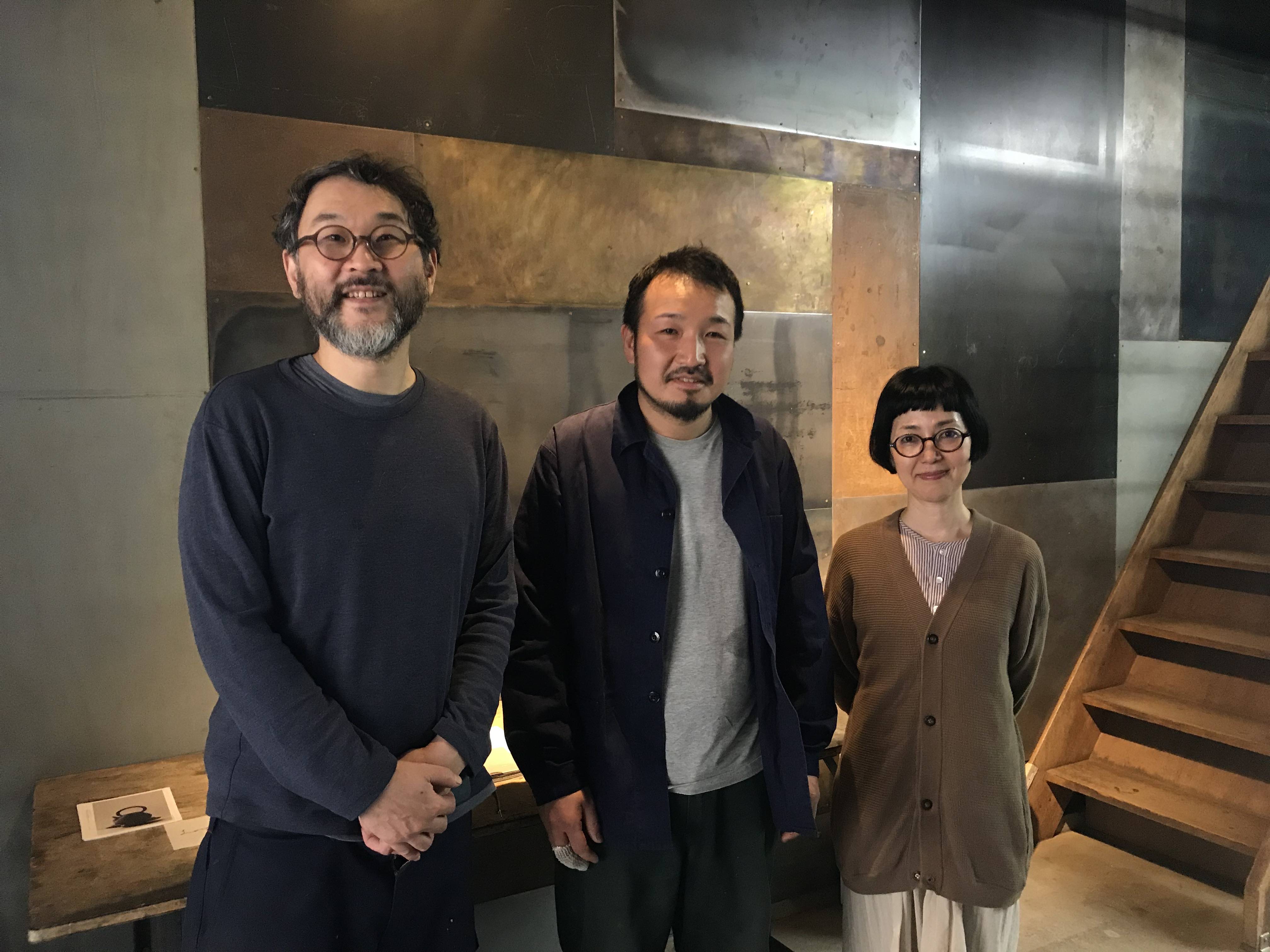
*From left: Morrison Kobayashi, Daisuke Nakamura, Chiyo Takasato
From 1995 to 1999, Mr. Morrison was in charge of store design at IDÉE, an interior design company. IDÉE was a pioneer in offering not only antiques but also modern interiors and goods from overseas, as well as proposals for living with plants, so I used to frequent their store on Antiques Street in Aoyama when I was in my twenties. This coincided with the time when Mr. Morrison was working there, and it was a treasure trove of inspiration; I still remember the excitement I felt back then.
"I've always liked Yasutake Funakoshi's sculptures, but what inspired me to start wood carving was Hideki Maekawa's exhibition 'Water Source' in 2008," says Morrison.
Maekawa is an artist I know well. He weaves words that arise from within himself and expresses mythological stories through sculpture. His profound worldview, which is both realistic and fantastical, captivates viewers.
"While my interior design work was getting busier, I actually started losing my hearing in my 30s, and I was worried about not being able to communicate anymore. When I stood before Mr. Maekawa's sculptures and was deeply moved, I thought that if I pursued this path of expression, my artwork could speak for me."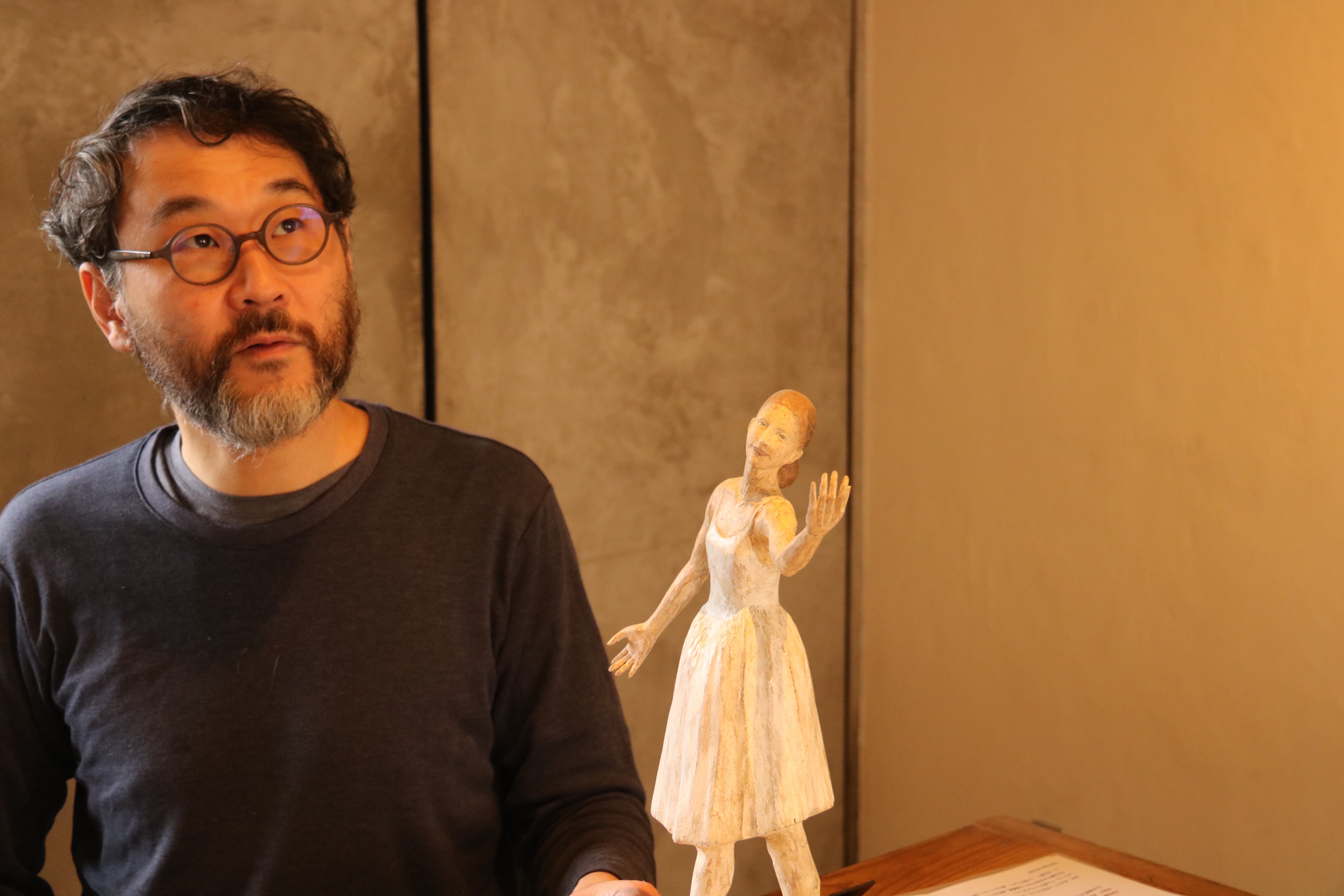
Morrison has become independent and started working as an artist.
The first piece she ever carved was a ballerina that Ms. Takasato, who was working as an accessory designer, used as a display piece for an exhibition themed around ballet. She carefully brought the ballerina out from the back and showed it to me; it had a calm and ethereal presence.
Morrison, who believed that his own unique style would emerge through the process, actively participated in wood carving workshops hosted by his respected mentor, Maekawa, and continued to carve while constantly confronting himself. He has since held exhibitions, but he still asks himself questions.
"I like wood carving, but I've started to feel a distance between myself and it."
"To continue working as a writer, and to ensure that the work I've done up until now is being put to good use."
Coincidentally, he received an invitation to an exhibition themed on "coexistence with nature and the cycle of matter," and his long experience working with metal in interior design, combined with his love of mountain climbing, led to his current project, "Botanical Chronicles."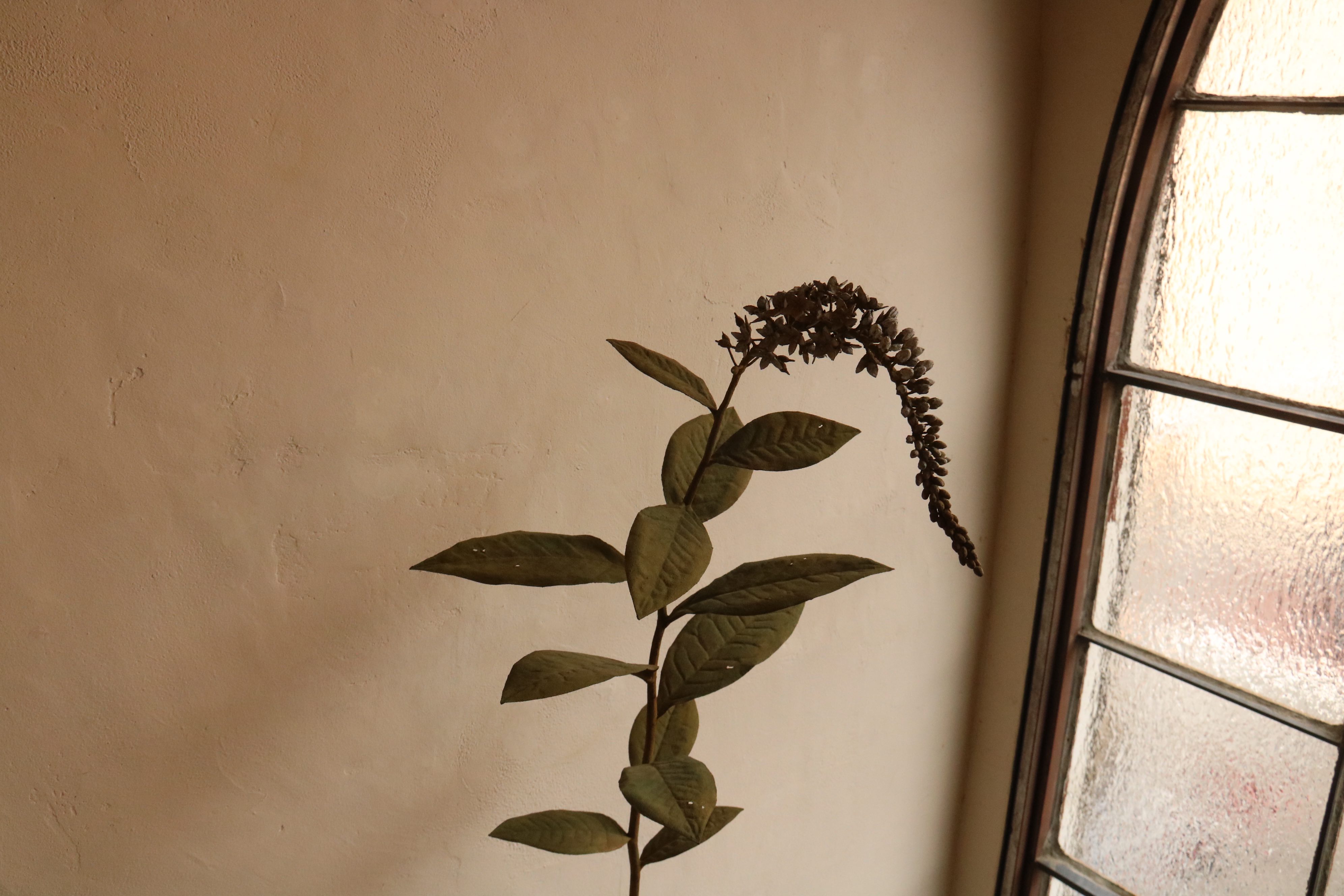
These pieces look exactly like plants, but it's astonishing to learn they're all made of metal. The delicate craftsmanship is remarkable, with each piece cut from a metal sheet and colored with mineral pigments and rust.
"In the mountains, even delicate plants demonstrate their incredible vitality. It's like recording those memories."
Designer, craftsman, and artist. It's truly clear that the balance of these three aspects is what defines Morrison's style and voice.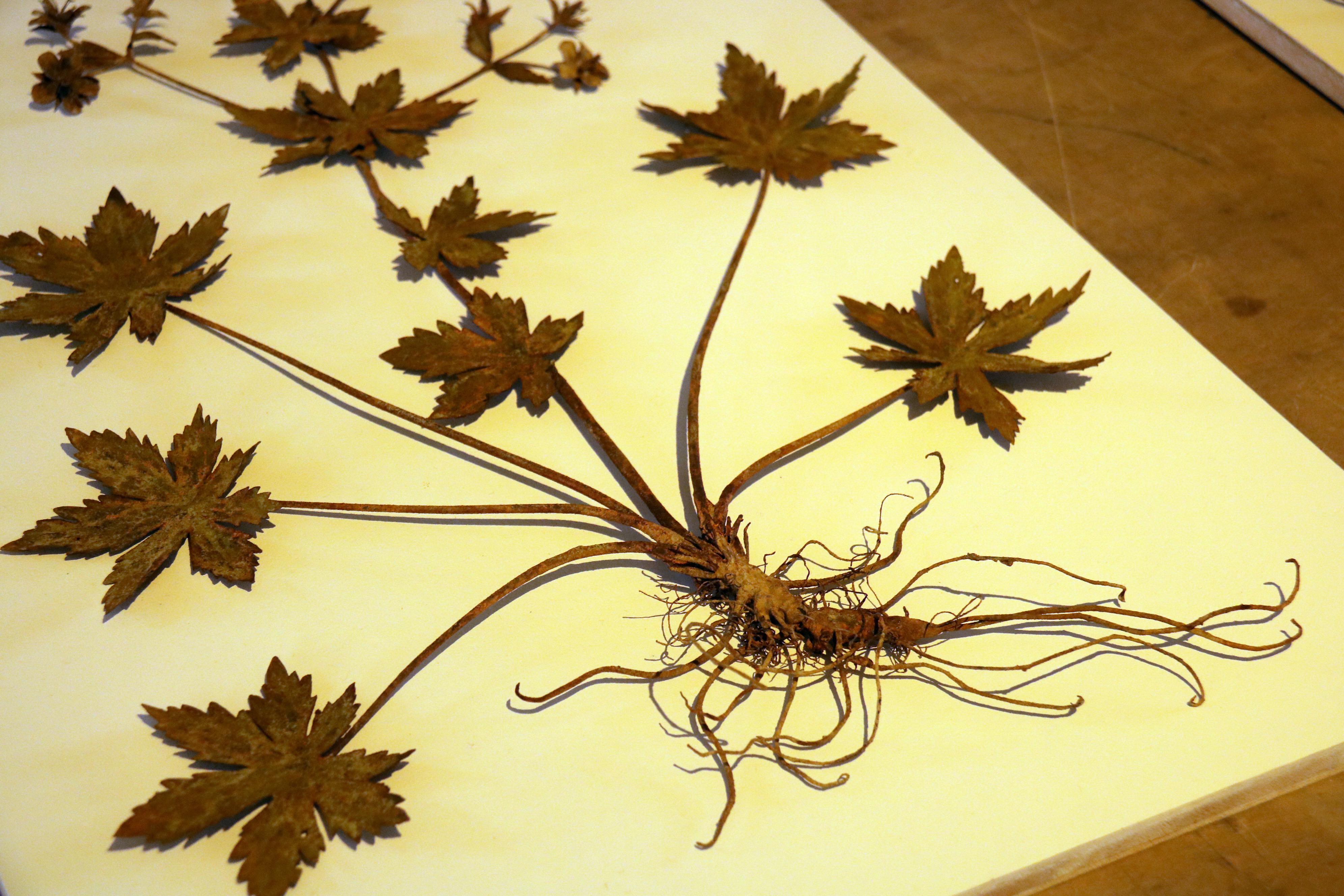
In the special source space, which feels like stepping into the attic of a European church, works by Morrison, Takasato, and Nakamura are displayed side by side, and each piece resonates with the others in a comforting way. The permanent spatial composition is Takasato's responsibility.
"I'm taking everyone's submitted works, connecting them in my own way, and arranging them however I like."
Morrison and Nakamura nodded emphatically, saying "Yes, yes!" (laughs), which showed that they have immense trust in Takasato's intuition. 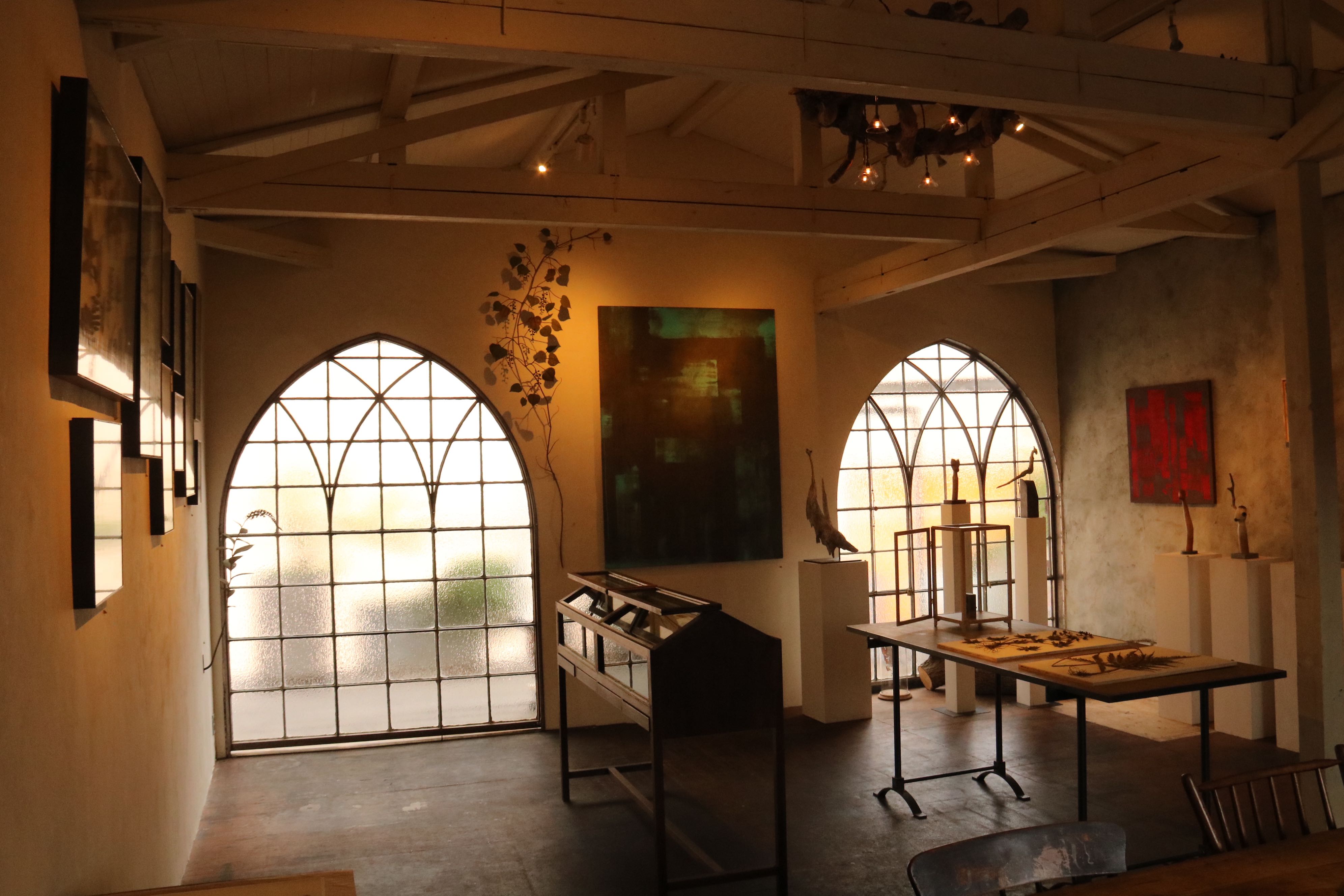 Takasato herself worked as an accessory designer alongside her painting, but she says she was constantly searching for her true path. "While working as both a designer and an artist, I couldn't shake the feeling that I was somehow dishonest in the world of accessories."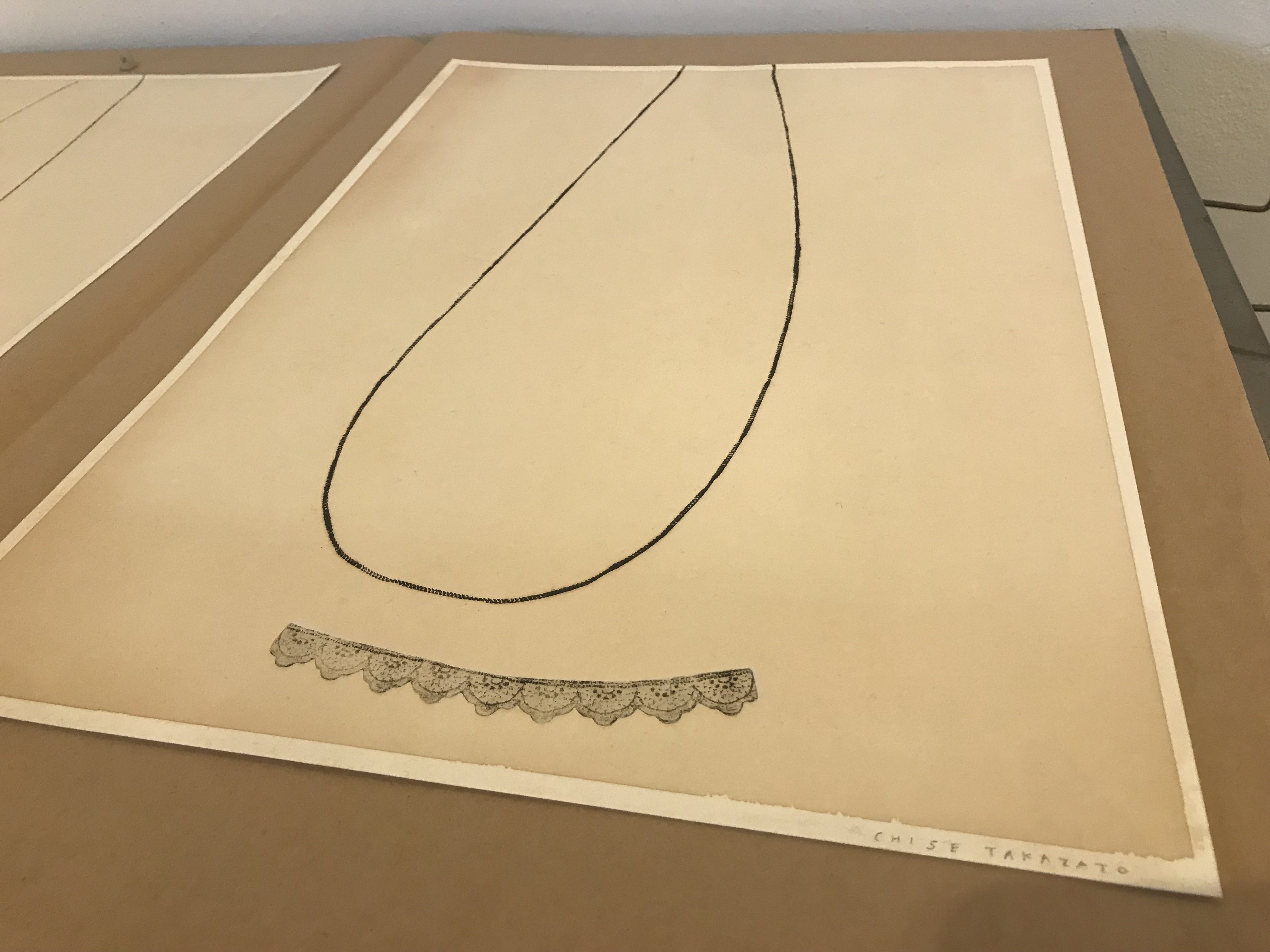
Like Morrison, Takasato was deeply moved when she encountered Maekawa's sculptures, and came to believe that "there aren't many things that are truly important." Her desire to "dedicate her life to painting a single picture" grew stronger, and with encouragement from Morrison, a classmate from her time at Tama Art University and a great supporter, she decided to pursue a career solely as a painter.
Now that she feels her perspective and the range of angles from which she perceives things have broadened, Ms. Takasato smiles quietly and says, "I feel like I've started to see the outer framework of art, and I've come to understand which direction I should be heading." As someone of the same generation, I saw in her a beautiful presence that I envied.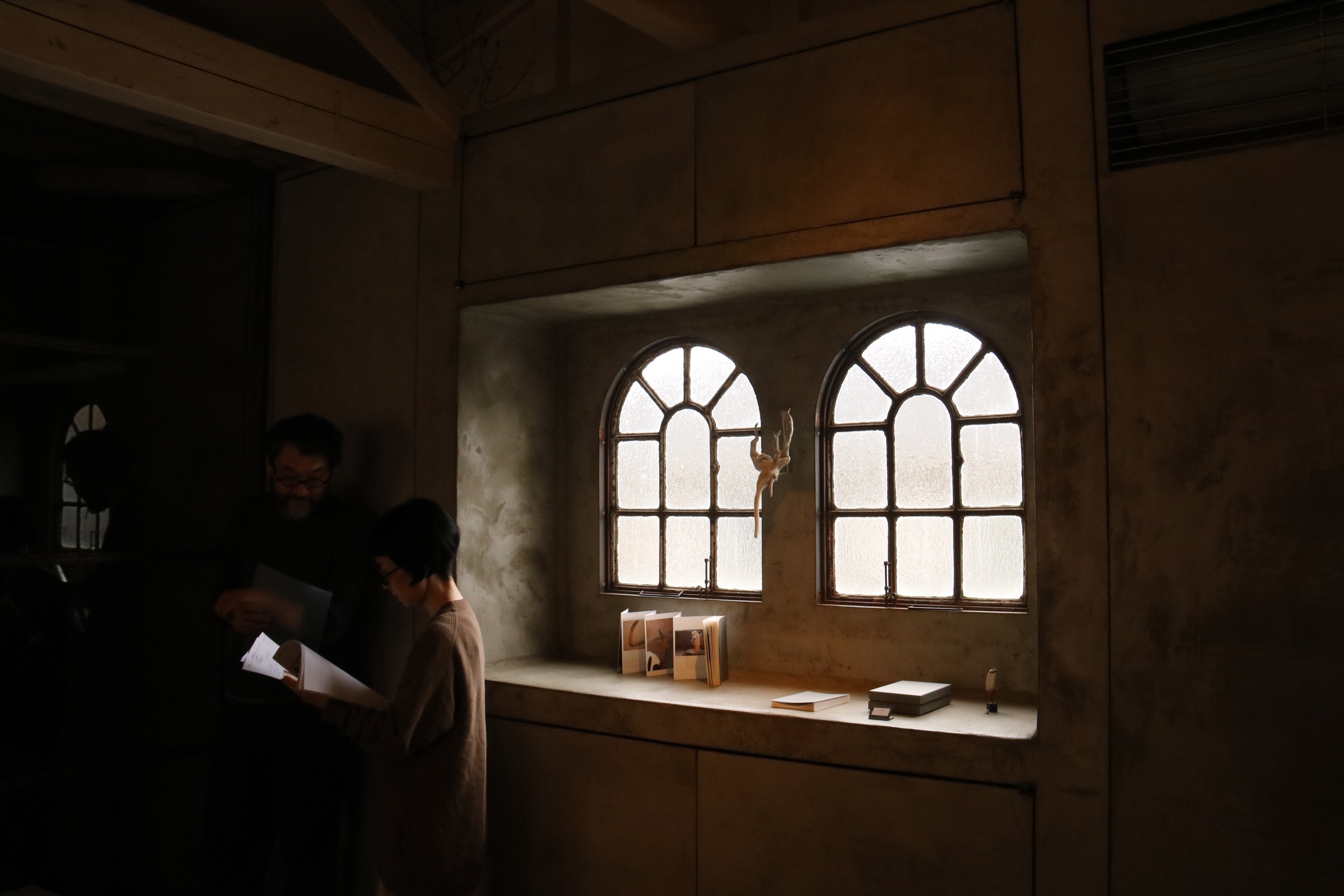 Mr. Nakamura visited Watts over a decade ago and is actually the person who first imprinted the name "Morrison Kobayashi" in my memory. When he was a student studying interior design, he wanted to work with metal and went to help Mr. Morrison, which led to a long-lasting relationship as he resonated with Mr. Morrison's way of thinking. After working for other companies, he became independent and a member of Special Source, continuing his creative activities while working with Mr. Morrison on store interiors.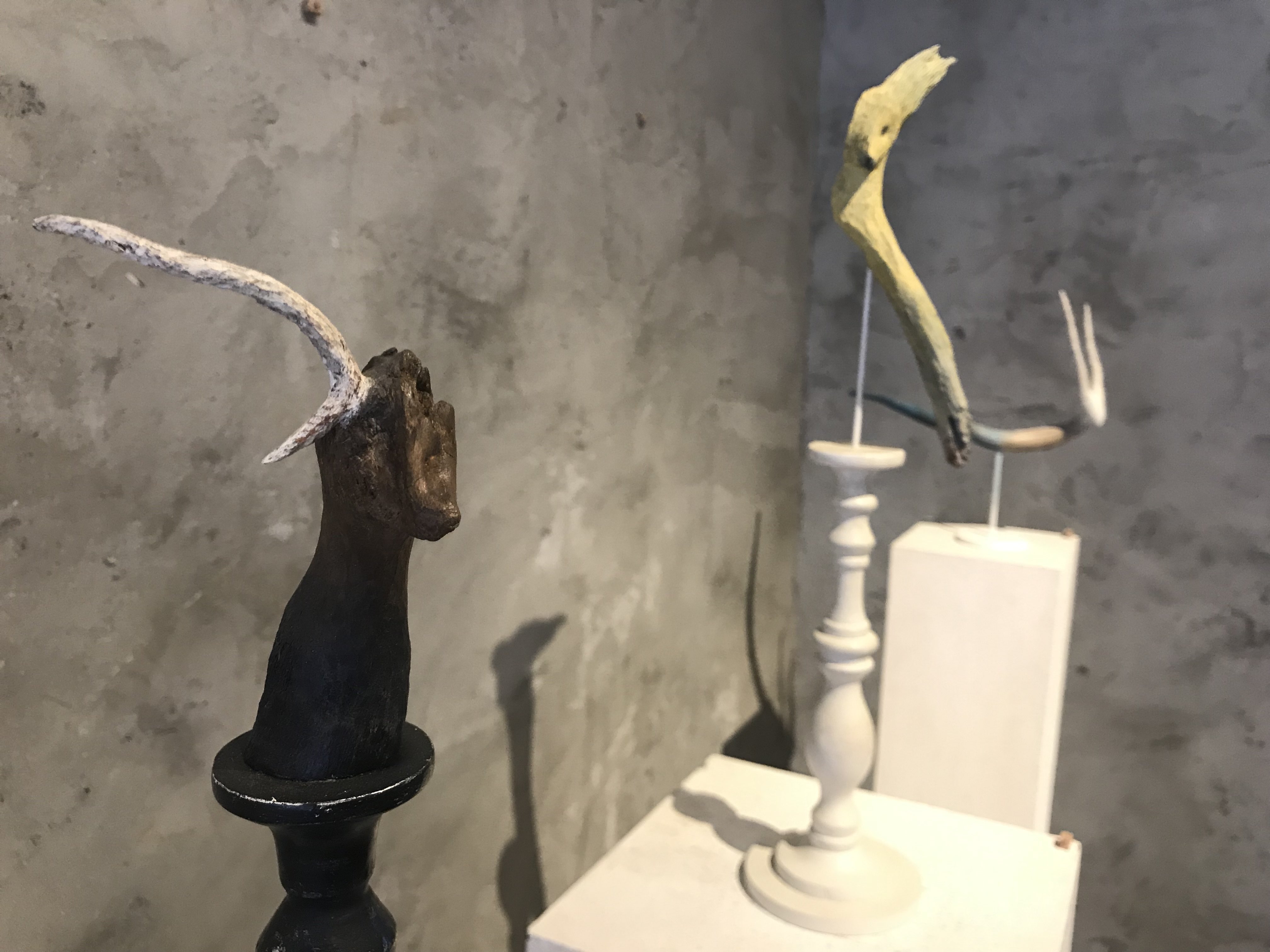
Even before joining Special Source, Nakamura had been making dolls from scrap iron, but after participating in Maekawa's wood carving workshop, he experienced the joy and pleasure of carving. He broadened his creative range, taking the knots in the wood to represent expressions, and now depicts creatures that are close to animals.
As Nakamura said, "When I'm enjoying making them, they turn out really well," and indeed, these children exuded a humorous charm that made it seem as if they might start chatting as the night deepened.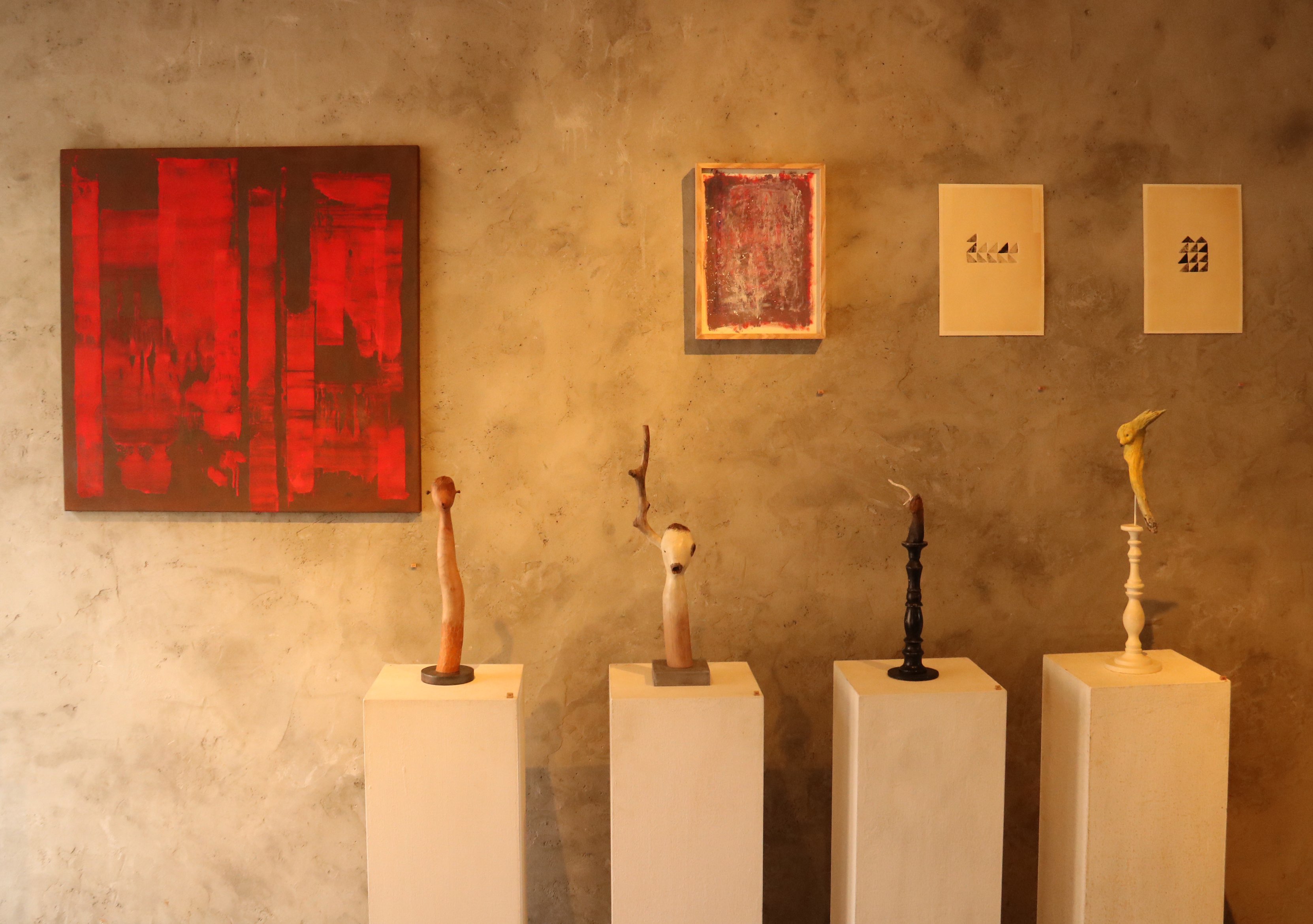
I was actually quite nervous around Special Source, with its cool interior and presentation.
However, seeing these three people, who are by no means particularly skillful but have sincerely walked their own path while searching for their way, I felt a sense of comfort and familiarity. Perhaps that's why they exude such a dignified yet gentle aura.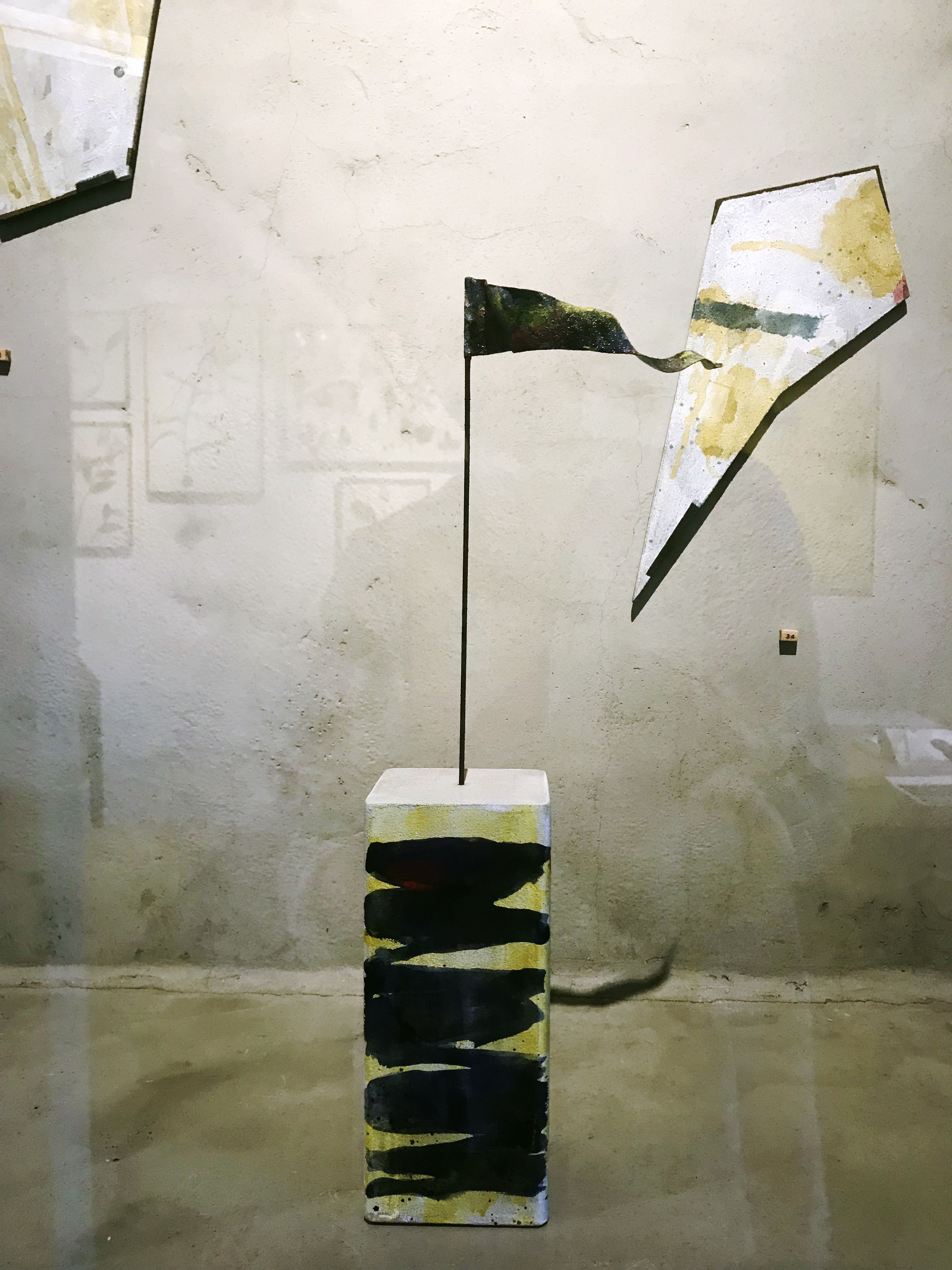
I was particularly captivated by Ms. Takasato's work. The flags, with their mystical, aurora-like colors, swayed gently in the breeze. The artist had apparently given it a title, but the phrase that came to mind was, "The future is always gently breezed." Life is a journey filled with ups and downs, big and small, as we reach numerous goals. It's not a strong wind or a headwind, but rather a gentle breeze that runs alongside us at each stage, and that thought brings a sense of joy.
I gave this artwork to my son, who is a student preparing for entrance exams and tends to be a bit sensitive.
And when I'm feeling down, I look at it and get encouragement from it.
(Interview conducted in June 2019)
Gallery Information
special source
4-11-46 Kuji, Takatsu-ku, Kawasaki City, Kanagawa Prefecture 213-0032
TEL: 044-813-0783
http://specialsource.jp/
Gallery Opening Days: Permanent exhibitions held a few days each month. Special exhibitions held irregularly. For details, please check the "next schedule" or "atelier gallery" section on the website.
"access"
▶︎Approximately 5 minutes on foot from Kuji Station on the JR Nambu Line