Go, see, and experience! The world of stage technology that creates enchanting performances.
Go, see, and experience the world of art
File.23 Yamato Arts and Culture Hall: "Enchanting Stage Technology"
Miyuki Inoue (Magcal Editorial Department)
Wonderful music and heart-stirring stories. Laughter, tears, and emotion. My belief is that everything in the world is on stage.
Artists who can create such a theatrical space are truly amazing.
However, artists truly shine thanks to the efforts of the technical staff, including lighting, sound, and stage mechanics. Backstage tours of the hall, which offer a glimpse into this aspect, are very popular.
* Click here for an account of my backstage tour experience at Yokosuka Arts Theatre >>>
What caught our attention this time was a program offered by the Yamato Arts and Culture Hall that goes a step further, offering a full day of hands-on experience in stage technology. It's called "Art Management Workshop: The Fascinating World of Stage Technology."
Apparently, anyone from junior high school age and up can participate, even if they have absolutely no experience, but what exactly can you do? With this simple question in mind, I went to the Yamato City Cultural Creation Center Sirius, where the course is being held.
First, compare the following two photos.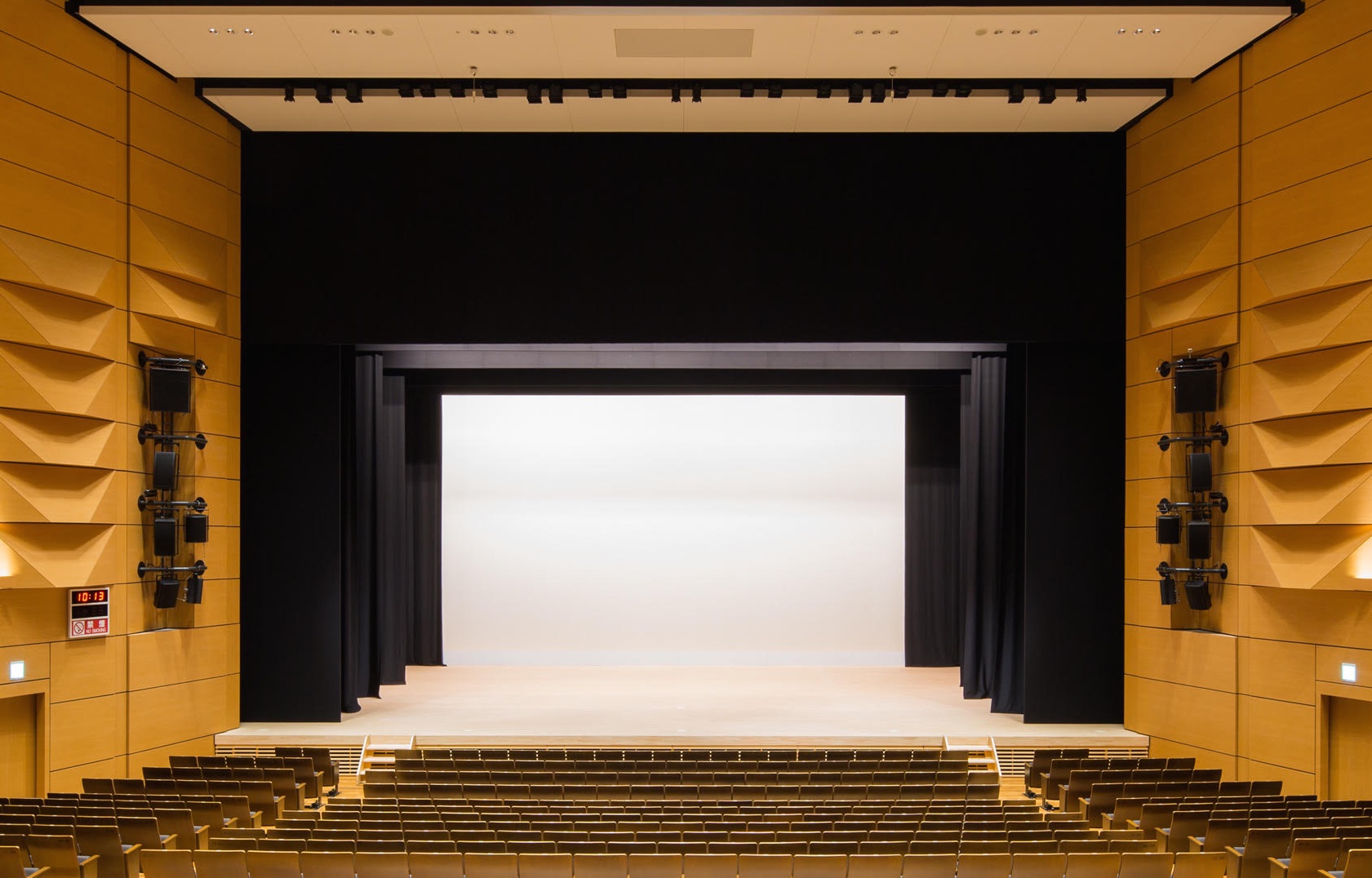 *Photo: Toshihiko Kato, SS Co., Ltd.
The first image is a photograph of a stage surrounded by a black curtain. I think this scene will be familiar to people who go to see plays or dance performances.
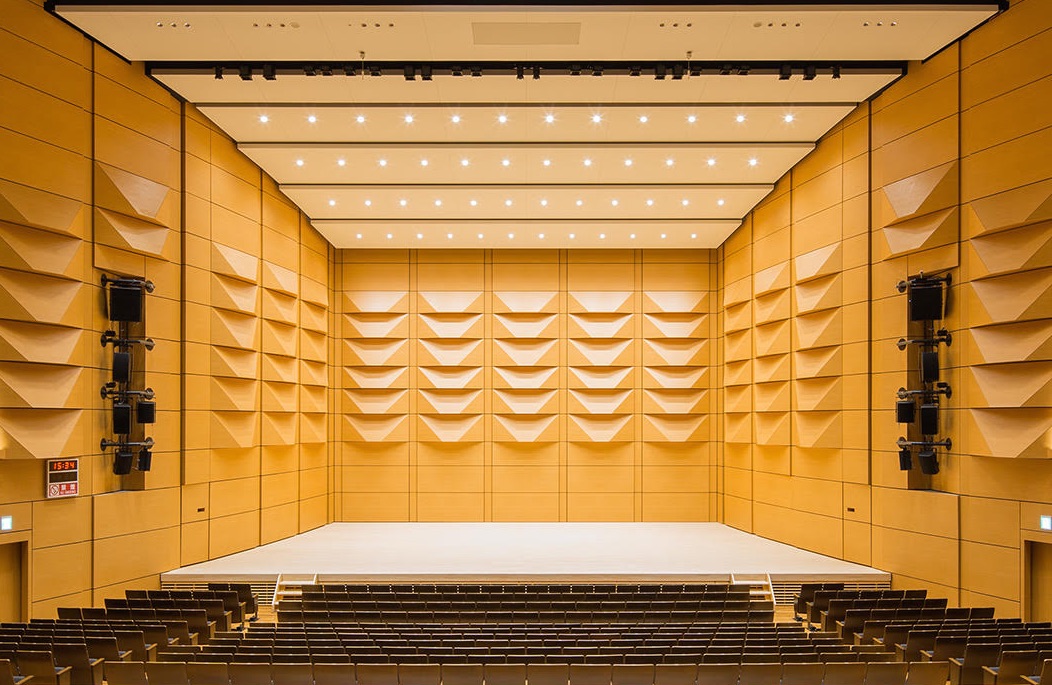 *Photo: Toshihiko Kato, SS Co., Ltd.
The second photo shows a wall that extends continuously from the audience seating area to the stage. This is probably a familiar sight for brass band members and classical concert enthusiasts.
It goes without saying, but both are the main halls of the Yamato Arts and Culture Hall.
The block-shaped walls surrounding the stage in the second photo are called "acoustic reflectors," and they are installed to efficiently amplify the sound of live music.
You shouldn't just shrug it off.
Normally, it's divided and stored on the stage, but when you see it up close, it's incredibly huge, weighing a total of approximately 58 tons! It apparently takes more than 30 minutes to set it all up.
"This time, we want you to experience the difference in sound with and without a sound reflector," says hall staff member Shimizu. The difference is obvious, and "even an amateur will definitely notice it once they experience it."
Being able to tell the difference...it makes me feel kind of "professional," which is interesting.
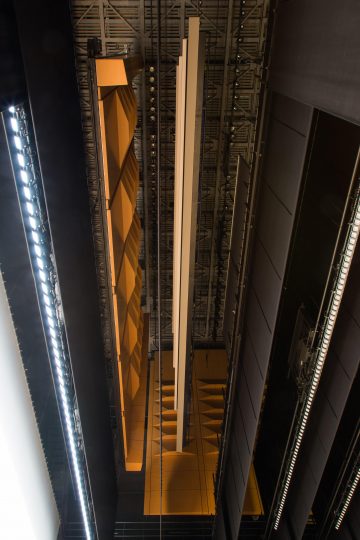
*Photo: Toshihiko Kato, SS Co., Ltd.
Standing on stage and looking up, this is the view. You can see the heavy sound reflectors hanging down. For safety reasons, even hall staff are mostly not allowed inside the hall during the installation work.
If you've heard that you might get to experience such an exciting and intense job this time, and thought, "That sounds interesting!", then this is for you!
Welcome to the fascinating world of stage technology!
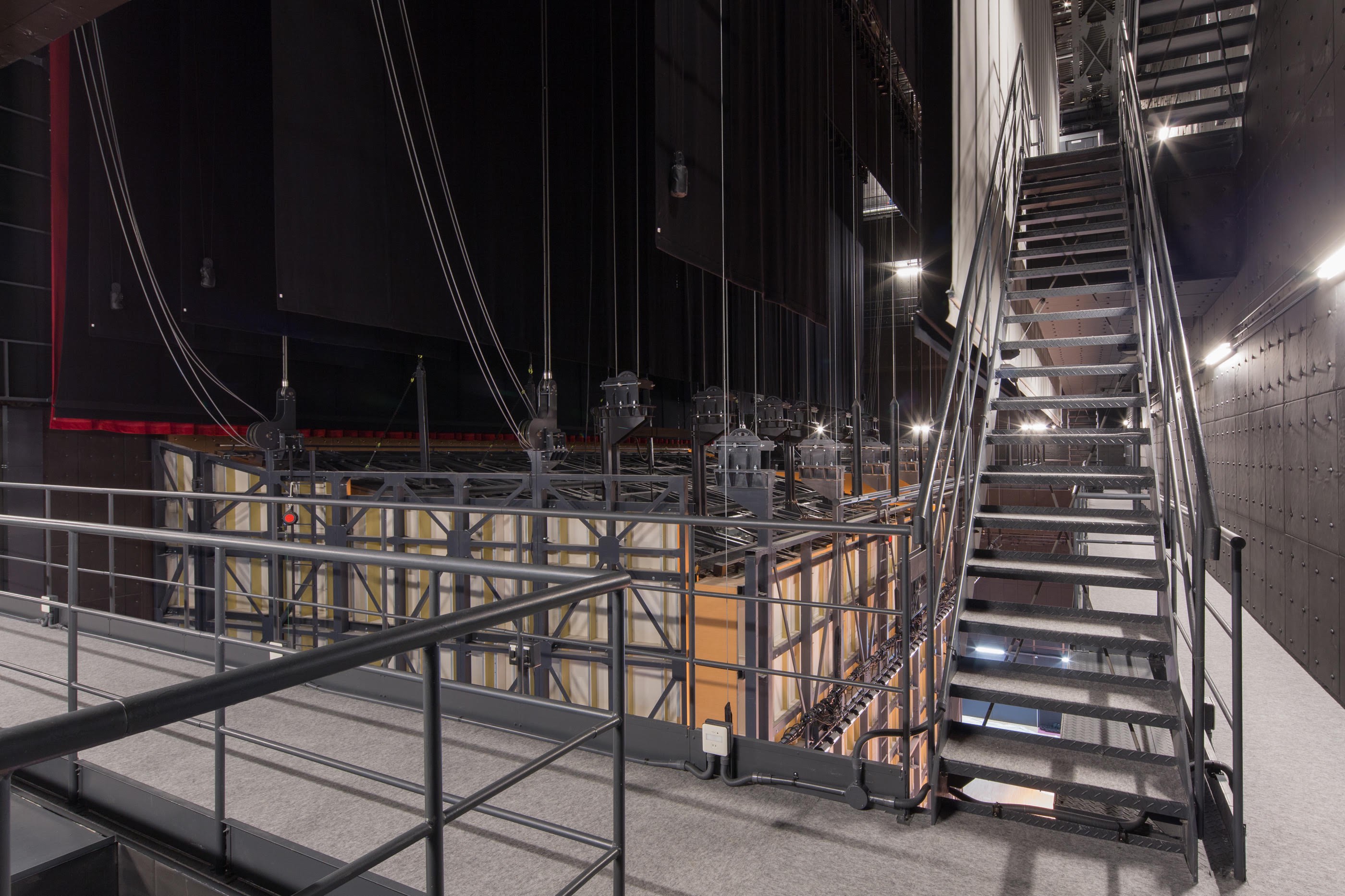 *Photo: Toshihiko Kato, SS Co., Ltd.
This is the workspace above the stage where the sound reflectors are stored. Located high up overlooking the stage, many lighting and stage equipment are also stored here.
In stage-related work, there's a lot of work at heights, and even a slight lapse in concentration can lead to a serious accident. The work is constantly tense, so the sight of the staff moving quickly and efficiently is really impressive.
This project will allow participants to experience the entire process of setting up and dismantling a stage, from preparation to tearing it down, under the guidance of professionals in each field, all within a single day. This is a rare opportunity!
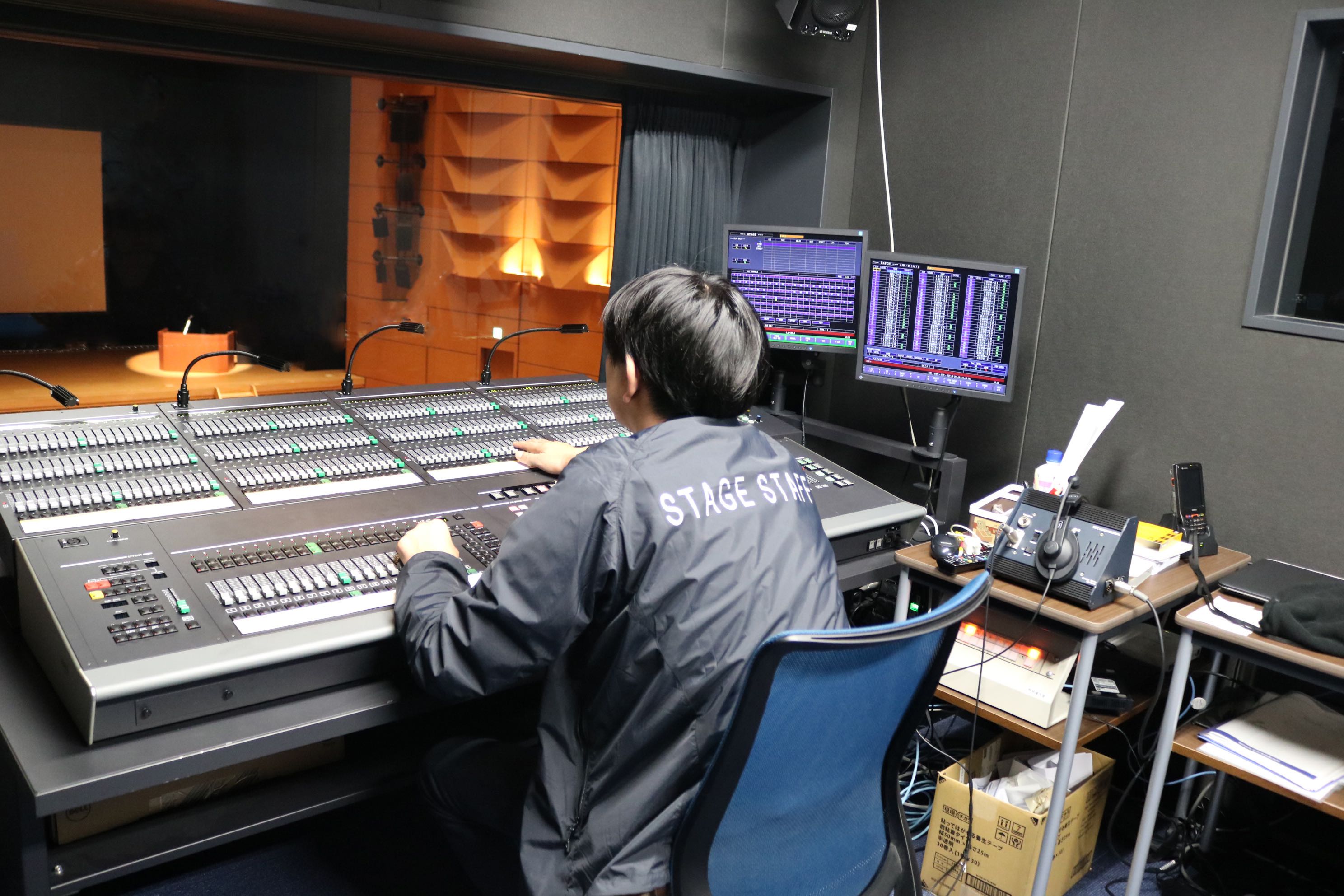
This is the lighting control room. It's located high up, overlooking the stage at the back of the audience seating. Even those who have visited Sirius Hall many times will find the view from here refreshing.
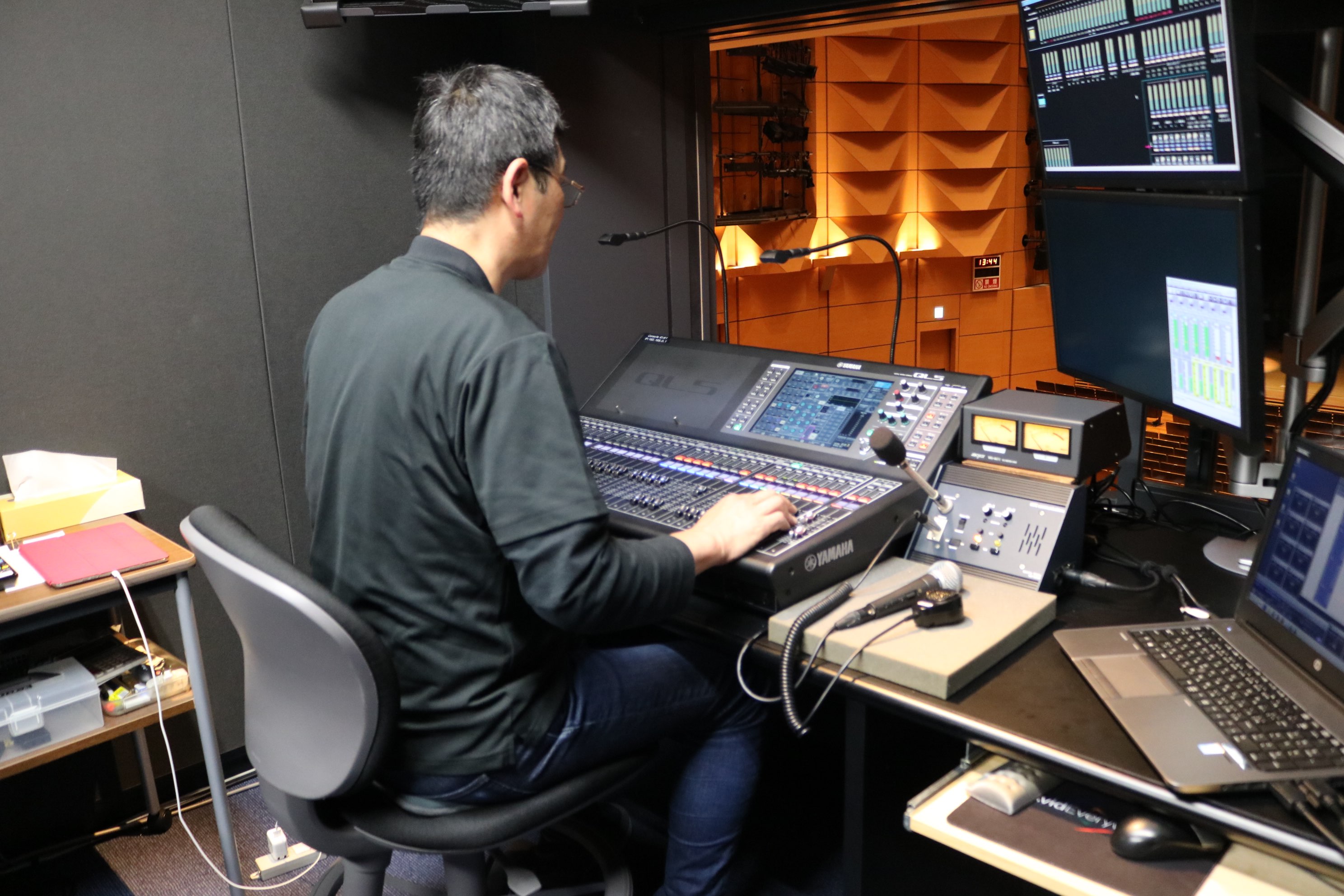
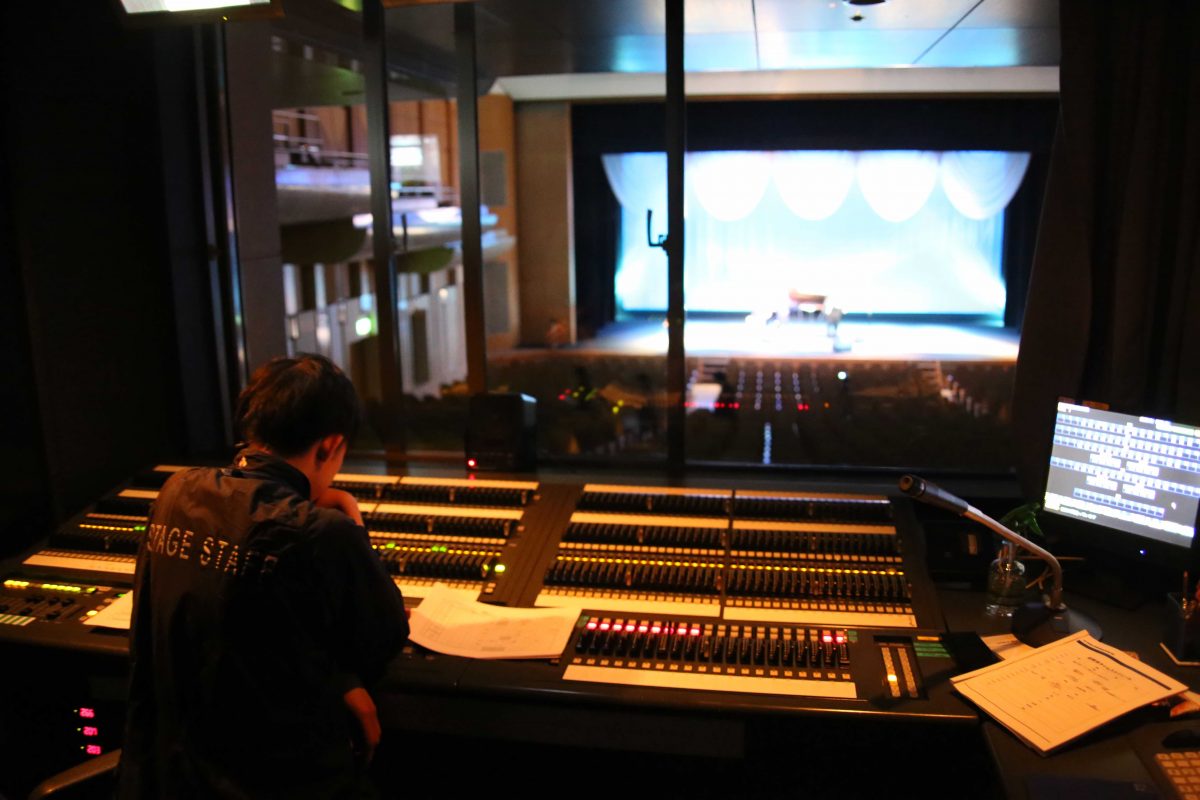
This is the sound engineer's control room. Lately, they've been increasingly positioned at the back of the audience seating area to operate the equipment, so there are more opportunities to see them at work up close. The sight of all the latest equipment lined up is very cool, but of course, you shouldn't touch anything without permission.
However, in this course, you will have the opportunity to work with lighting and sound equipment.
We spoke with Ms. Yoshiko Oizumi (right, Suntory Publicity Services Co., Ltd.), the business manager of the hall that guided us, and Mr. Kaname Shimizu (left, Sigma Communications Co., Ltd.), the overall chief.
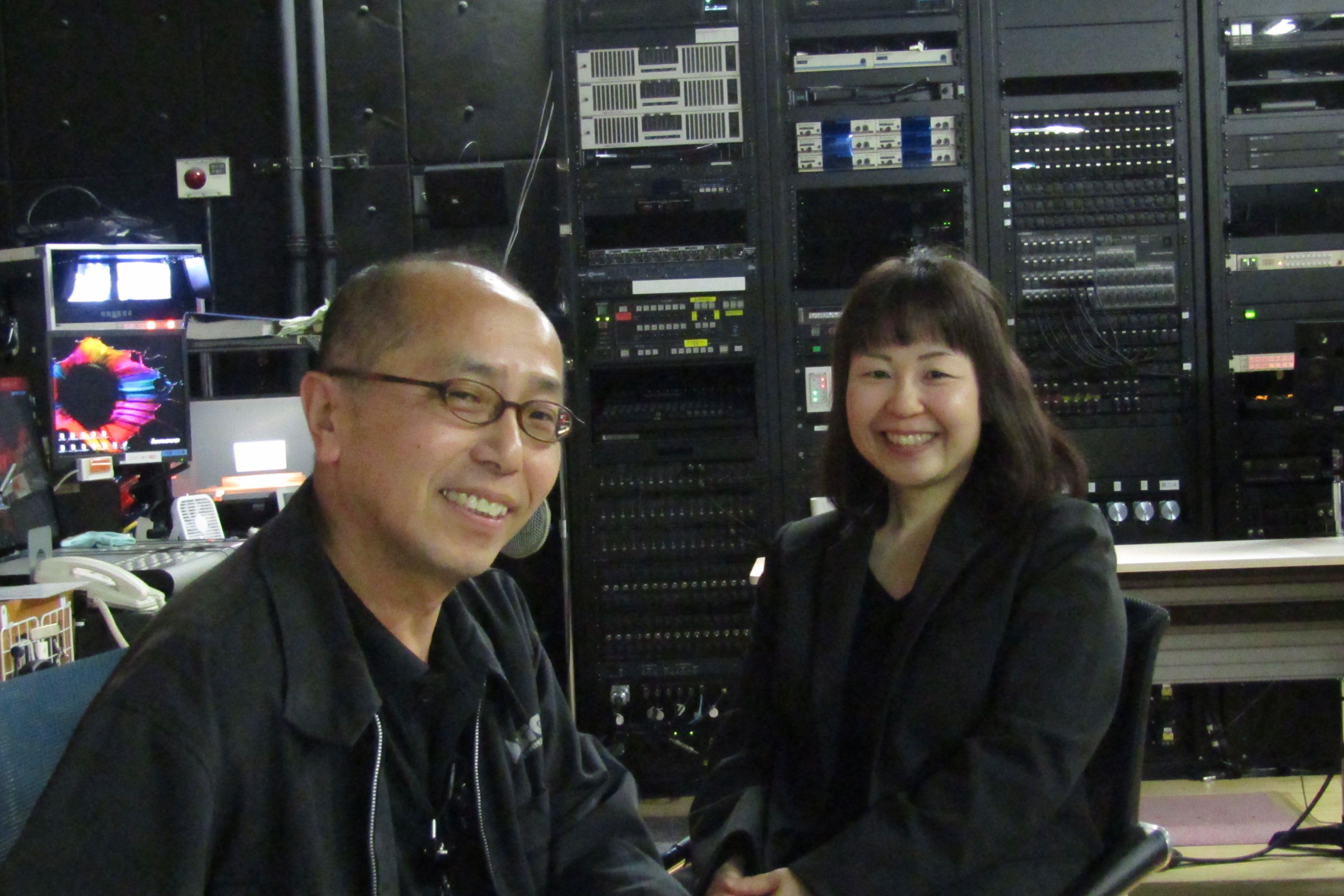
"No matter how much the technology for sound, lighting, and stage equipment advances, I believe the core of the work of the professionals who support live performances will not change much. We planned this project because we wanted people to know what the technicians think about and what they value. The specific content is still being planned, but I think that knowing about the work of the professionals who support the stage will allow you to see and enjoy it in a different way than before," (Oizumi).
"The possibilities of theater are endless. Of course, there are constraints such as time and budget, but if you tell us, 'I want to try something like this!', we would like to accommodate your requests as much as possible. Based on what we have experienced in the workshop, let's think together and create a fun stage production!" (Shimizu)
Whether you love watching plays or dream of performing on stage yourself.
Take the first step!
This event has ended.
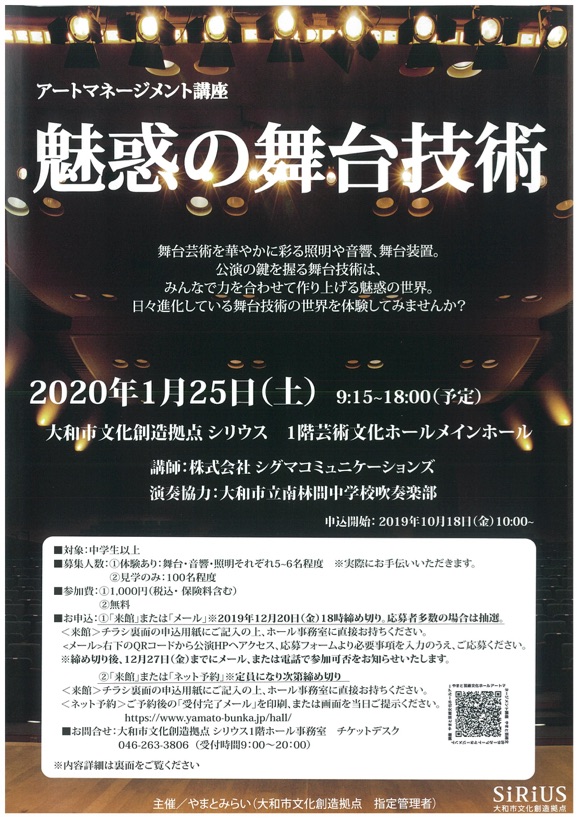
Art Management Course: "Enchanting Stage Techniques"
[Date and Time] Saturday, January 25, 2020. Doors open at 9:00 AM / Start at 9:15 AM. Scheduled to end at 6:00 PM.
[Venue] Yamato City Cultural Creation Center Sirius 1F Arts and Culture Hall Main Hall
[Lecturer] Sigma Communications Co., Ltd.
[Performance assistance provided by] Yamato City Minami-Rinkan Junior High School Brass Band
[Eligibility] Junior high school students and older
[Number of applicants] *Applications will close once the maximum number of applicants is reached.
① Hands-on experience available: Approximately 5-6 people each for stage, sound, and lighting.
② Observation only: Approximately 100 people
[Fees] ① 1,000 yen (tax included, insurance included) / ② Free