How to Enjoy Classical Music: Lessons from the Music Director of the Kanagawa Philharmonic Orchestra
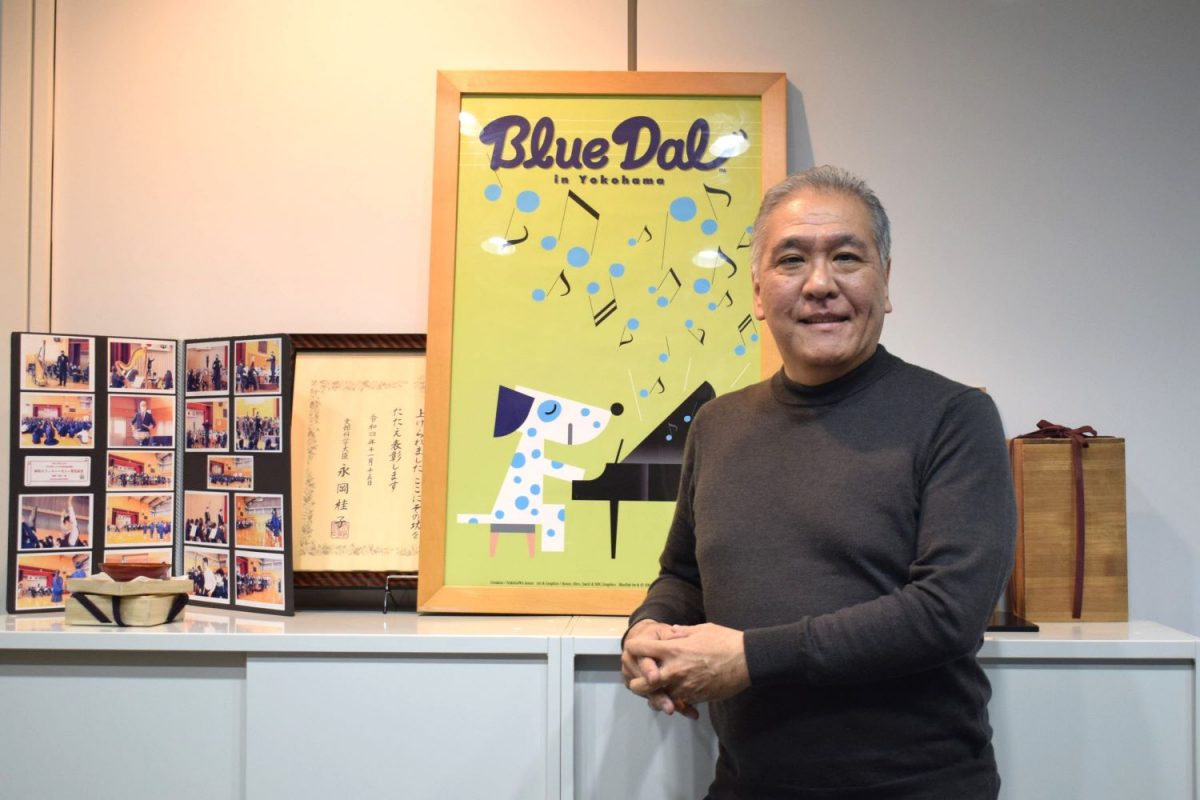
We spoke with Toru Sakakibara, the music director of the Kanagawa Philharmonic Orchestra (hereinafter referred to as Kanagawa Phil), a professional orchestra based in Kanagawa Prefecture and beloved by the local community, about how to enjoy classical music and highlights of the Kanagawa Phil's concert lineup for 2024-2025.
Experience something extraordinary with timeless classical music that never loses its charm, no matter how many times you listen to it.
—I've only been listening to classical music for a year. Even when I look at the annual lineup, I only vaguely recognize the song titles, conductors, and soloists. Could you please teach a beginner like me how to choose and enjoy classical music concerts?
At Sakakibara Classical's concerts, we strive to ensure that you can enjoy a sense of the extraordinary from beginning to end. During the performance, we ask that the audience turn off their smartphones and refrain from drinking water. That's quite difficult in today's world, isn't it?
—That's absolutely true!
The greatest appeal of Sakakibara 's classical music is that it never loses its charm, no matter how many times you listen to it. The pieces that are still performed today are the best hits that have survived in the history of classical music.
For example, this flyer here for Grieg's Piano Concerto in A minor, Op. 16, is probably being performed in around 100 places around the world today. For instance, in Germany, the birthplace of Beethoven and J.S. Bach, there are said to be over 120 orchestras and 10,000 musicians.
—Really?! Orchestras are actually more accessible than I thought.
There's no single right answer to what you should think when you listen to music at a Sakakibara concert. I want people to feel free to come and enjoy it however they like. For those who are interested in attending a concert in the future, I've thought about how to choose a concert and how to enjoy it.
—I'm looking forward to it!
Choose from memorable songs or favorite performers.
 The Kanagawa Philharmonic Orchestra was founded in 1970.
Sakakibara: I think the most common type of audience is people who come to the concerts because they're reminiscing about songs they heard as children or songs that hold personal memories for them.
Also, I think there are many people who choose a performer they're interested in and come because they'd like to hear them perform live at least once.
—I think many people who watched the TV drama "Reversal Orchestra," for which the Kanagawa Philharmonic Orchestra provided full cooperation during filming, were inspired to listen to the Kanagawa Philharmonic Orchestra.
Thank you, Sakakibara .
It starts with an interest in learning about the hall.
I think most people start by listening to songs that are memorable to them or by listening to performers they are interested in, but I have another suggestion: "Start by becoming interested in getting to know the hall." I think you'll enjoy it even more if you come to love music halls.
—What exactly does it mean to "get to know the hall"? How can one enjoy it in that way?
The Sakakibara Kanagawa Philharmonic mainly performs at three halls within Kanagawa Prefecture: Yokohama Minato Mirai Hall, Kanagawa Prefectural Hall, and Kanagawa Prefectural Music Hall. Each of them is a wonderful hall.
The appeal of Yokohama Minato Mirai Hall
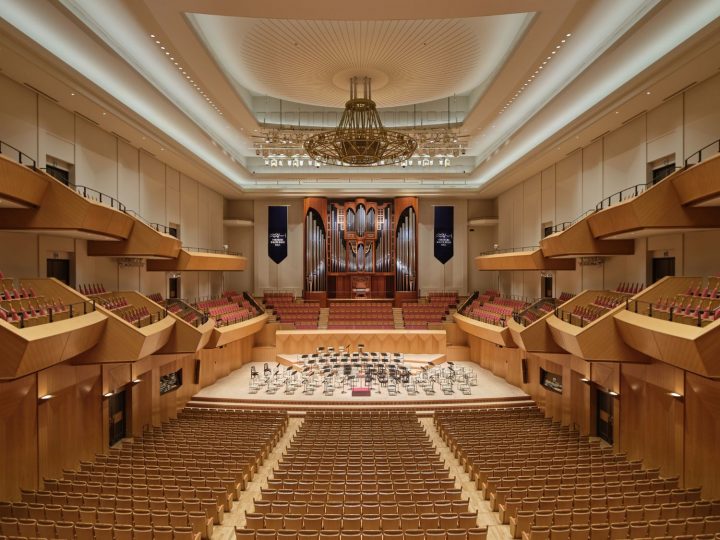 © Hiratate Taira
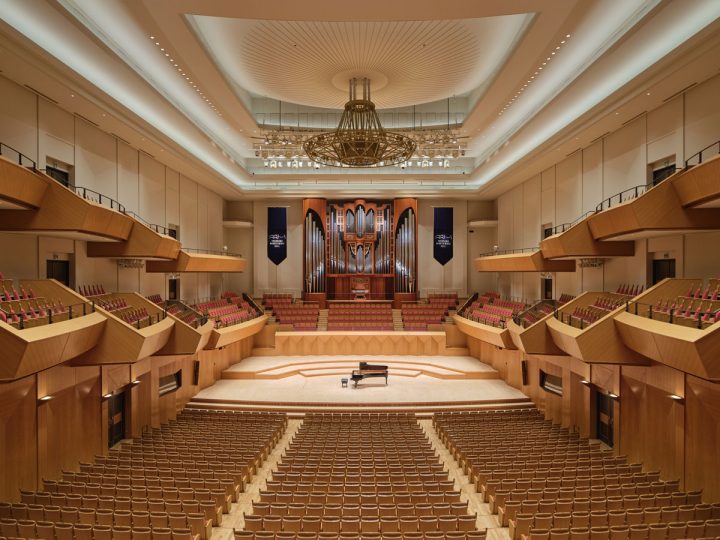
The Sakakibara Yokohama Minato Mirai Hall had its grand opening in 1998, completed when the Minato Mirai district was redeveloped. Its open foyer (hall) is inviting, and I believe it's the only music hall with such a location offering panoramic ocean views. From the moment you step inside, you feel a bright, artistic atmosphere.
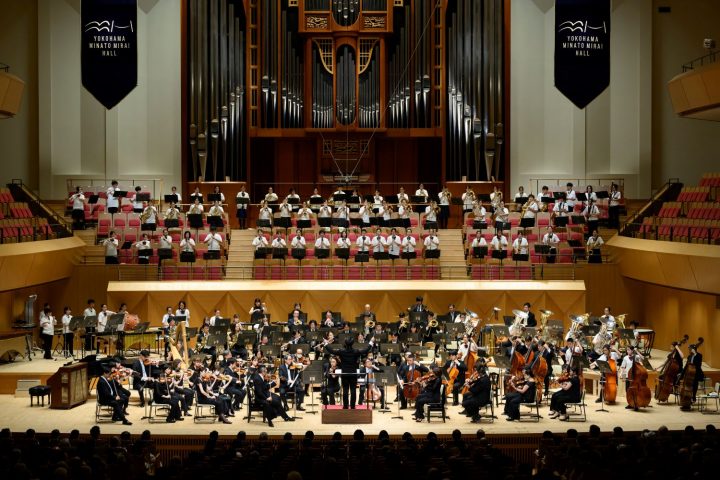
Upon entering the grand hall, you'll find a pipe organ in the center, and every piece of furniture—from the chairs and lighting to the acoustics and interior design—is meticulously crafted for the finest music. Enjoying the hall itself is another way to appreciate it.
The appeal of Kanagawa Prefectural Hall
Sakakibara Kanagawa Prefectural Hall (hereinafter referred to as the Prefectural Hall) is located on the site of the former Yamashita foreign settlement. The sea can be seen from the lobby of the Prefectural Hall and from the restaurant "Ei Ichibankan" inside the building.
It's been about 100 years since the Great Kanto Earthquake (September 1, 1923). Yamashita Park, right in front of the venue, was part of the post-earthquake reconstruction project, and there are many historical buildings around the Kanagawa Prefectural Hall. A historical stroll through Yokohama before or after the concert would be a great idea.
The Prefectural Hall will be closing on March 31, 2025. We hope you'll come and experience it before it closes.
The Charm of Kanagawa Prefectural Music Hall
The Kanagawa Prefectural Music Hall (hereinafter referred to as the Music Hall), which opened in 1954, celebrated its 70th anniversary this year (2024). Visitors can enjoy the architecture of Kunio Maekawa , whose interior walls are entirely made of wood and whose exterior features distinctive square-shaped hollow bricks.
As Japan's first publicly funded music hall, it boasts a unique acoustic sound. The entire building underwent a renovation in 2019, preserving its original charm while becoming remarkably clean and modern. It is also designated as a Kanagawa Prefecture Important Cultural Property (building).
—I now have a much better understanding of the unique characteristics of each hall.
Sakakibara: There are many wonderful concert halls in Kanagawa Prefecture. The Kanagawa Philharmonic Orchestra holds regular performances in three of these halls, so I hope you'll pay attention to the halls as another way to enjoy listening to classical music.
Fashion and the city of Yokohama make the concert even more special.
My next suggestion to Sakakibara is to enjoy fashion and the city along with the concert. What I've noticed when observing the audience is that they often carry merchandise featuring the Kanagawa Philharmonic's mascot, "Bluedal," or bags from the Kanagawa Philharmonic, or they incorporate Bluedal's signature blue color into their fashion choices.
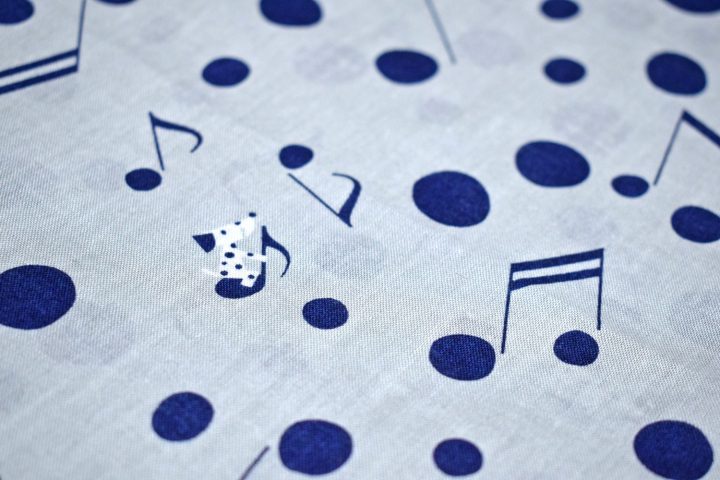 The blue dal handkerchiefs feature the same pattern as the ties and scarves worn by the orchestra members.
—So, just like wearing merchandise at amusement parks or concerts, it's okay to enjoy classical music too!
Sakakibara : Of course. It's wonderful if it gets people excited for the concert. Also, many people enjoy Yokohama before and after the concert.
If you choose Yokohama Minato Mirai Hall, you can experience a new side of Yokohama. If you choose Kanagawa Prefectural Hall, you can visit Marine Tower and Chinatown, or venture a little further to Motomachi. If you choose the Music Hall, just a short walk down Momijizaka slope will take you to Noge, where you can enjoy a drink and experience the true essence of Yokohama.
I think it would be fun to enjoy sightseeing and food in Yokohama while discussing our impressions of the concert.
Here's a selection of concerts from the 2024-2025 schedule.
There are two types of season tickets available for the Kanagawa Philharmonic Orchestra.
There are two types of memberships: "Series Membership" (application deadline: March 31, 2024), which allows you to attend all regular concerts from the same seat, and "Select Membership" (application deadline: approximately one week before the performance date), which allows you to choose three or more performances from the 2024-2025 concert schedule and receive member benefits.
There are no membership fees for any of these.
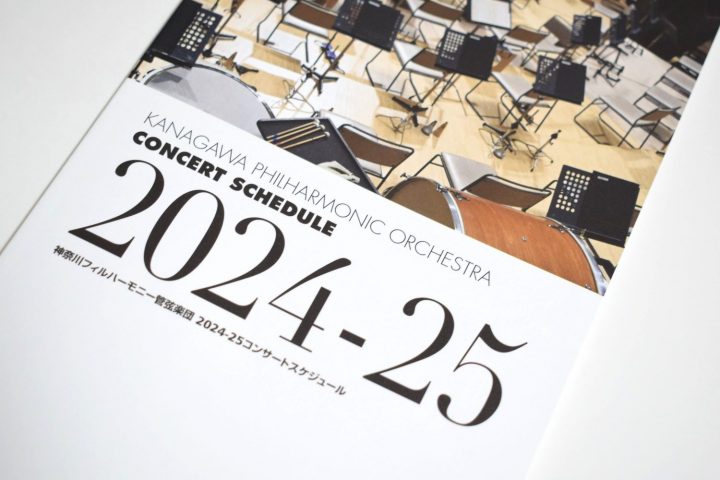 A booklet that gives you a complete overview of the Kanagawa Philharmonic Orchestra: "2024-2025 Concert Schedule"
—I heard that it's still possible to become a regular member of the Kanagawa Philharmonic Orchestra. Could you tell me about some of their distinctive concerts?
First up from the Kanagawa Prefectural Masterpiece Series is "Ah, Showa Retro Classics!", which will be held at the Kanagawa Prefectural Hall on Saturday, May 25, 2024. This is a project that Ryusuke Numajiri, the music director of the Kanagawa Philharmonic Orchestra, proposed and strongly supported. It features a collection of masterpieces that were often played when we were children but are rarely performed now, such as "Madonna's Jewels," "Dance of the Hours," and the waltz "Gold and Silver."
On Saturday, June 15, 2024, "Dance! Beethoven's Ninth Symphony" will be held at the same Prefectural Hall. Six dancers will perform. The performance of Beethoven's Ninth Symphony will remain pure, with the orchestra, chorus, and dance fused together. 2024 marks the 200th anniversary of the premiere of Beethoven's Ninth Symphony. There will be no designated soloists; instead, soloists will emerge one after another from among the outstanding members of the chorus. The Ninth Symphony, which was groundbreaking and captivated audiences at its premiere, will now be performed in an even more innovative way.
The theme of the concert hall is "Classic Modern." A wide range of classical and modern music will be performed. On Saturday, May 18, 2024, at the concert hall, we will present "A Musical Journey Around Beethoven." This performance is actually one of the events commemorating the 200th anniversary of the world premiere of Beethoven's Ninth Symphony. We will perform Lachenmann's "Dust for Orchestra," which deconstructs and reassembles the image of the Ninth Symphony. "Dust" is a piece that caused a boycott of performances because it changed the Ninth Symphony, which the Germans cherished, into something different. We will also perform Symphony No. 3 "Eroica," which served as inspiration for the Ninth Symphony.
—It would be great to choose one hall from each of the three, become a regular member, and then purchase additional concert tickets later. Thank you!
Kanagawa Philharmonic Orchestra
Official website: Kanagawa Philharmonic Orchestra
Annual Lineup: 2024-2025 Season Concert Schedule | Kanagawa Philharmonic Orchestra