[Odawara/Hakone] A trip to experience tradition and art with the Hakone Free Pass!
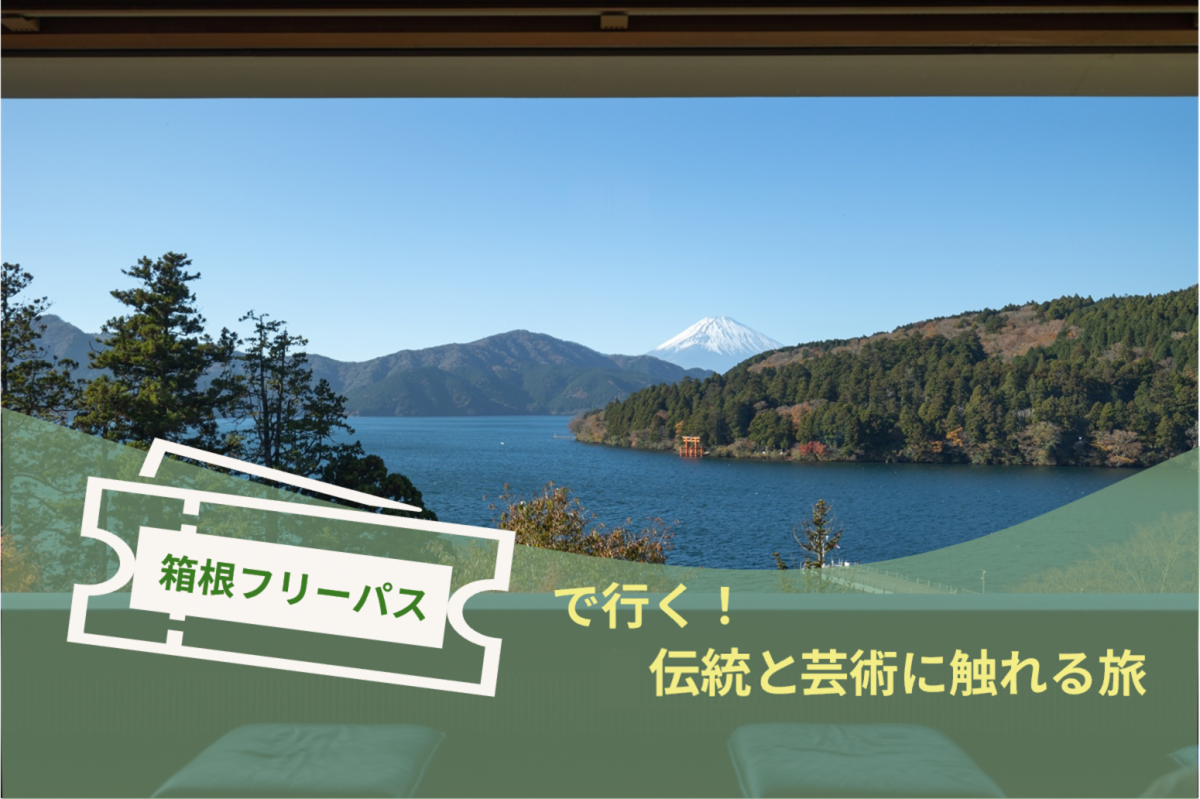
The Odawara and Hakone area is easily accessible from Tokyo and boasts a wealth of tourist attractions, including art museums. With its many quintessentially Japanese spots, such as famous castles, Mount Fuji, and shrines, it's also popular with foreign tourists. This time, we'll bring you a magical and cultural weekend family trip using the Odakyu Electric Railway's discounted "Hakone Free Pass."
On the Vermeer Blue train
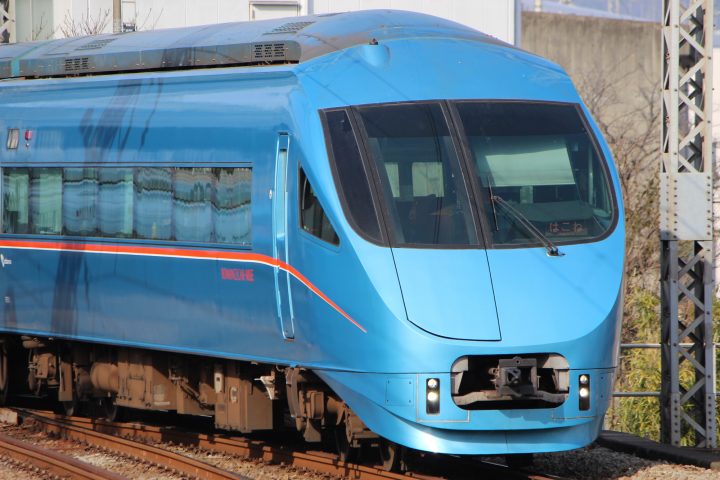
On Sunday morning, I traveled from Tokyo to Odawara and Hakone.
The limited express Romancecar "Metro Hakone" is a special train with a beautiful, glossy Vermeer Blue livery, a color favored by the Dutch painter Vermeer. It operates directly between the Tokyo Metro Chiyoda Line and the Odakyu Line/Hakone Tozan Line, and can be boarded at Kita-Senju, Otemachi, Kasumigaseki, and Omotesando. Since all seats are reserved, I purchased my limited express ticket in advance through the ticketing website EMot.
Since this is a train trip, the "Hakone Free Pass" is a must-have. With this one pass, you can make a loop around Hakone, including Odawara, Gotemba, and Mishima. You can ride eight different modes of transport as much as you like, including the Hakone Tozan Railway, Hakone Tozan Cable Car, Hakone Ropeway, and the Hakone Pirate Ship that sails across Lake Ashi. Furthermore, simply by showing the pass, you can receive preferential treatment and discounts at approximately 70 facilities, including art museums.
▶Hakone Free Pass
Official website: Click here
EMot: Purchase digital tickets here
[Odawara] Parents and children make Odawara lanterns
After a two-hour train ride, I arrived at Odawara Station.
As soon as I exited the ticket gate, I saw Odawara Castle, one of Japan's Top 100 Castles, everywhere. It's apparently a 10-minute walk from the station, but this time I pretended to have visited it by climbing these stairs (lol). I'm now heading to try a traditional Odawara craft experience, something I've wanted to do ever since I did an interview about it previously.
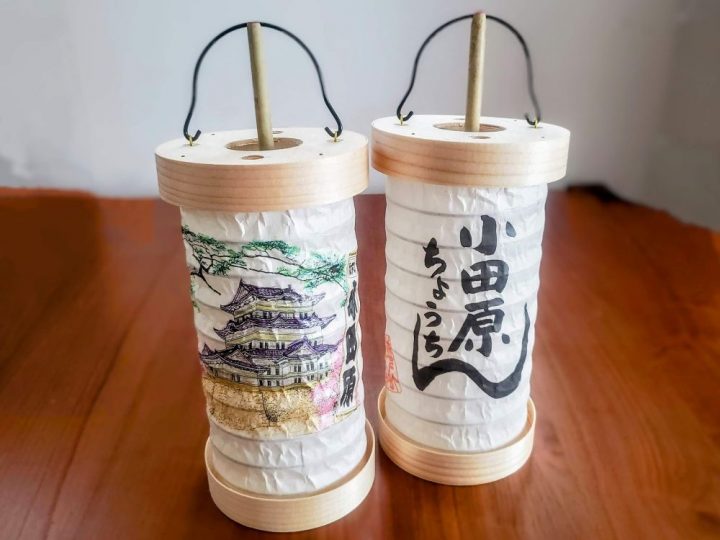
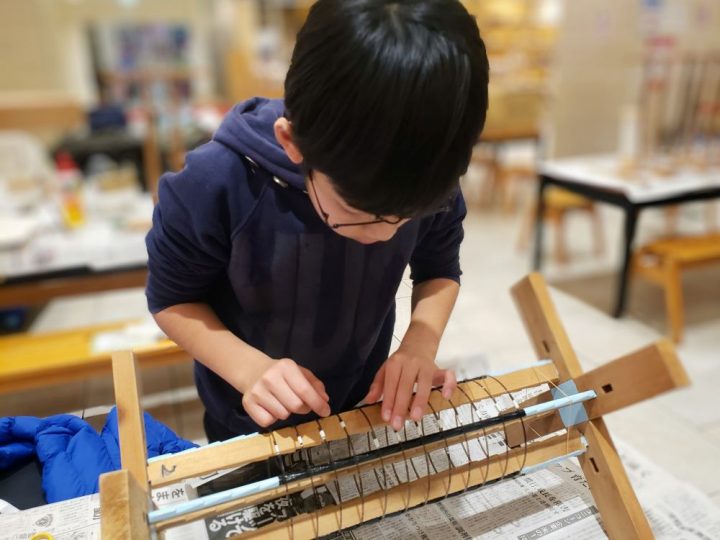
What I was looking forward to was the "Odawara Lantern Making Experience," which is popular with tourists. The Odawara Lantern Making Volunteer Association holds this event on the second and fourth Sundays of every month. I heard that parents and children could participate together, so my son and I decided to each make one. We chose a design, made the frame, and glued it together, completing it in about 90 minutes. It was great that we could participate without a reservation or bringing anything, and take home our own handmade folk craft as a souvenir. It was a valuable experience.
▶Odawara Lantern Making Experience
Event information: Click here
[Moto-Hakone] Discover breathtaking scenery and art at a lakeside art museum.
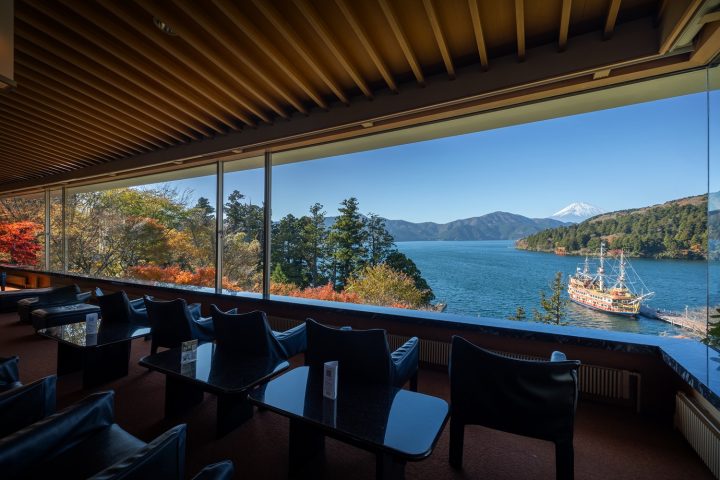
From Odawara Station, take the Hakone Tozan Railway and then the Hakone Tozan Bus, arriving at Moto-Hakone in about 50 minutes.
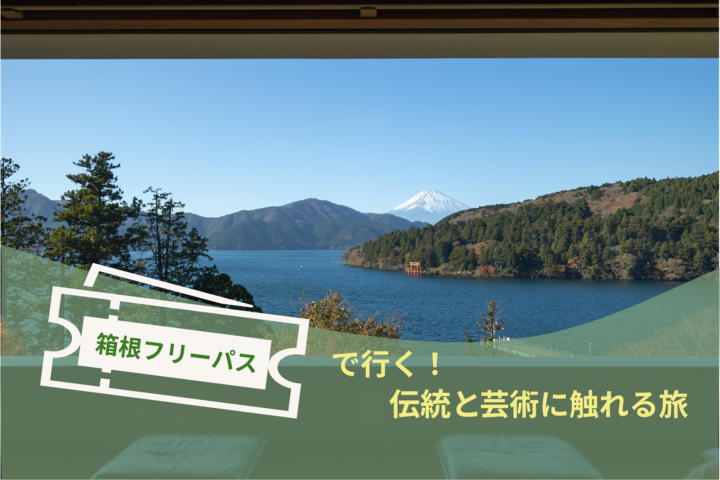
Narukawa Museum is a museum surrounded by forests and a lake, situated on a hill just a one-minute walk from the bus stop. It houses 4,000 masterpieces of contemporary Japanese painting and changes its exhibits four times a year to reflect the seasons. From the observation lounge, you can enjoy a panoramic view of Lake Ashi, the "Peace Torii" of Hakone Shrine, and even Mount Fuji.
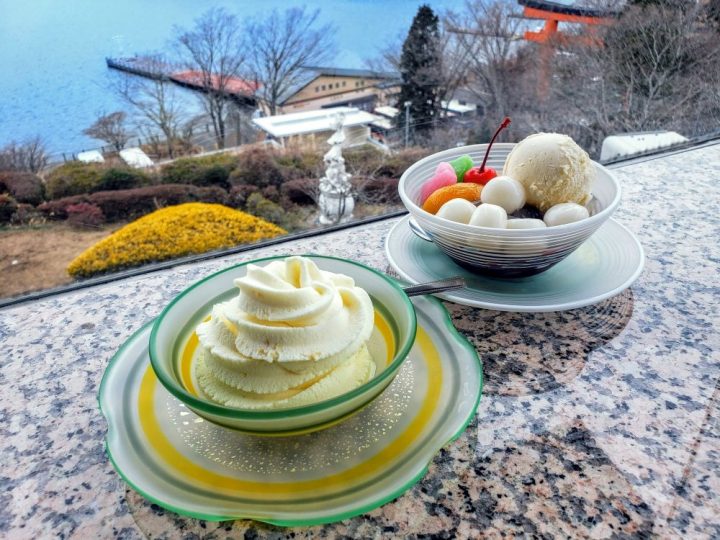
After viewing the exhibition, enjoy sweets served in glassware created by glass artists at the tea lounge "Kisetsufu". Koji Ishii's work is perfectly matched with "Ice Cream with Yuzu," and Rurika Kurihara's work is a perfect match for "Shiratama Cream Anmitsu."
▶Hakone Ashinoko Narukawa Museum
Official website: Click here
*Presenting a Hakone Free Pass entitles you to a 200 yen discount on admission for adults, a 200 yen discount for high school and university students, and a 100 yen discount for elementary and junior high school students.
[Moto-Hakone] A tour of shrines that have attracted worshippers since ancient times
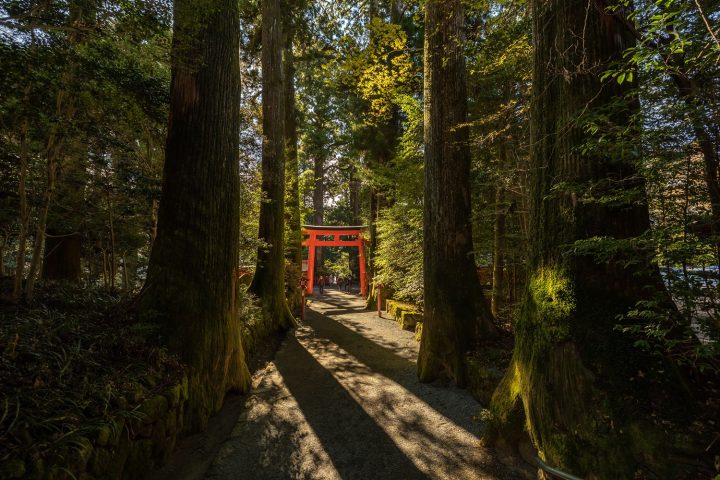
After a 30-minute walk along the shore of Lake Ashi, we arrived at a shrine known as a power spot.
Hakone Shrine is a renowned shrine that has been revered as the guardian deity of the Kanto region, Hakone Daigongen. It was founded in 757 during the Nara period by the monk Mangan, who underwent rigorous ascetic training, based on a divine oracle from Hakone Okami. It is worshipped as a god of good fortune, offering blessings for protection against evil, fulfillment of wishes, traffic safety, and matchmaking, attracting many worshippers from both within Japan and abroad.
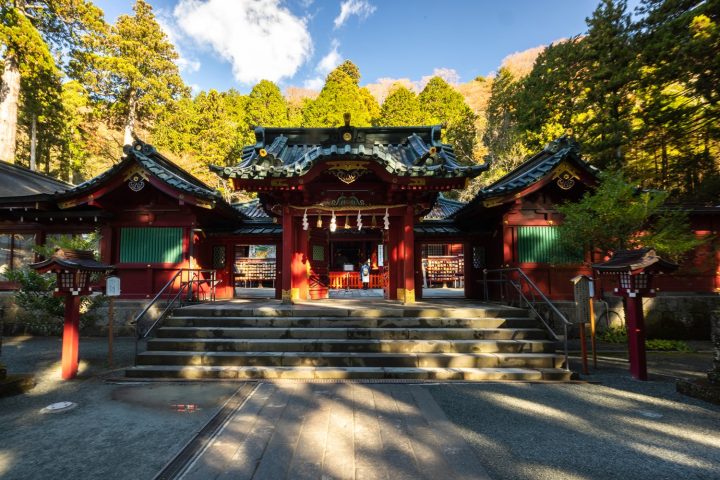
Kuzuryu Shrine is a shrine dedicated to Kuzuryu Okami, the guardian deity of Lake Ashi. As a god who controls water and a dragon god of high spiritual rank, he has been revered as "Kuzuryu-sama" by people since ancient times. The shrine we visited was the Kuzuryu Shrine (New Shrine), built in 2000 within the grounds of Hakone Shrine. Sacred water called "Ryujin-sui" springs forth in front of the shrine building, and some people were there to collect the water.
▶Hakone Shrine, Kuzuryu Shrine
Official website: Click here
[From Motohakone to Togendai] A Lake Ashi cruise on an artistic passenger ship
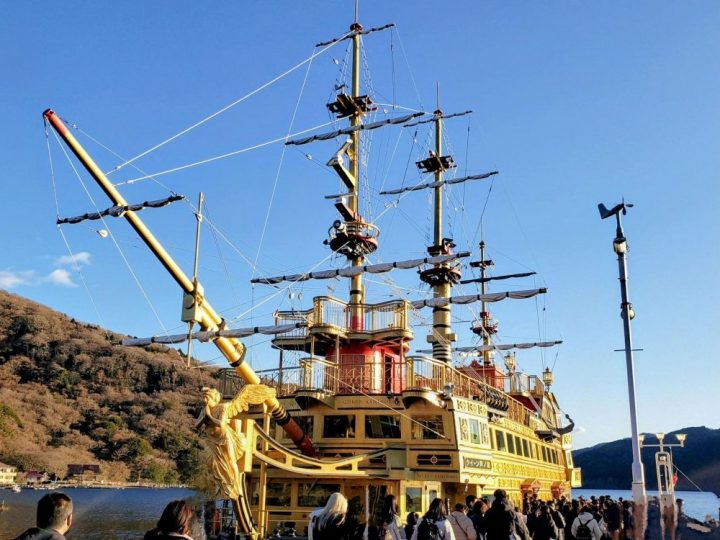
Having finished our prayers, we finally cross Lake Ashi.
The "Hakone Pirate Ship" is a sightseeing boat that connects Motohakone Port, Togendai Port, and Hakone-machi Port. Of the three ships currently in operation, we rode on the Queen Ashinoko, which has a gold hull. The journey from Motohakone Port to Togendai Port takes about 25 minutes, and the ship's interior features a classic design with wood panels from floor to ceiling, creating a luxurious atmosphere for the cruise. With 3D art and pirate-themed decorations, it was a space that adults and children alike could enjoy.
▶Hakone Pirate Ship
Official website: Click here
Odawara and Hakone are full of attractions.
The Hakone Free Pass was incredibly useful on this trip.
The "Hakone Golden Course," a classic route packed with popular tourist spots that starts from Hakone-Yumoto, passes through Gora and Owakudani, and heads towards Lake Ashi, will celebrate its 65th anniversary this autumn.
The route we chose this time is what's called the "reverse route," starting from Odawara and Hakone-Yumoto, then going to Lake Ashi, Owakudani, and Gora. Even though it's a busy time of year for tourists, we were able to avoid the crowds, so I recommend it to those who want to enjoy themselves at a leisurely pace. The Hakone Free Pass is valid for 2 or 3 days, so next time I'm thinking of staying overnight and "visiting art museums from the morning." Stay tuned for our next travel report on MagCul!
Text by Mai Shimura (Editor/Writer)