[The Magic of Art 08] Miyagawa Kozan Makuzu Museum: Ceramics that crossed the sea from Yokohama
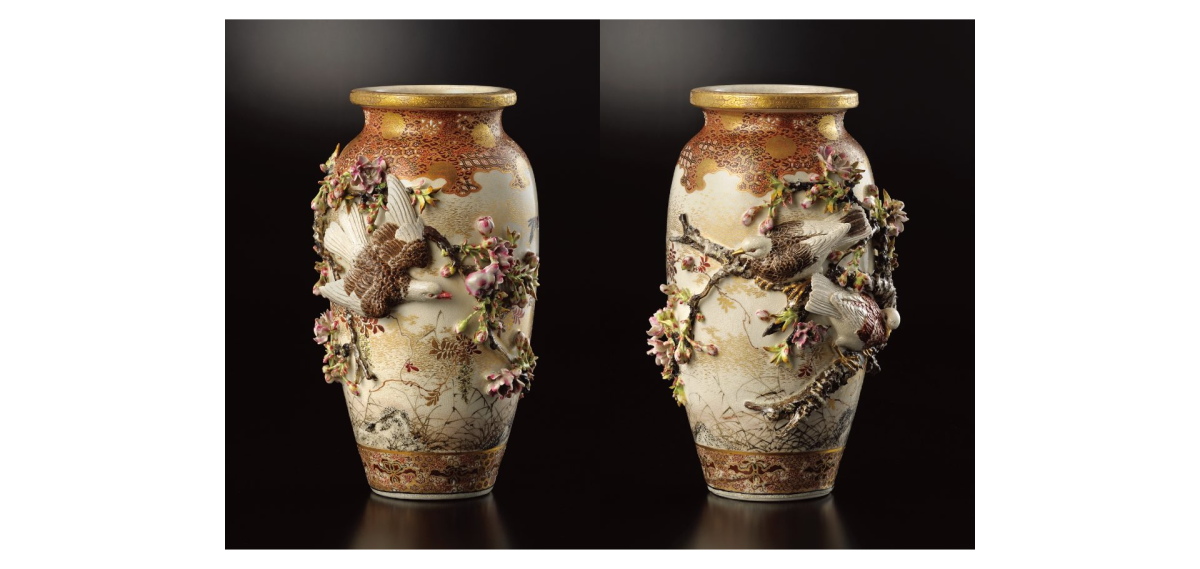
Makuzu-yaki pottery is known for its original and exceptionally skillful techniques.
The ceramics developed in Yokohama by the first Kozan, Miyagawa Kozan, became known worldwide after being exhibited at the Philadelphia World's Fair in 1876. Since then, it has won numerous awards at international expositions both domestically and internationally, gaining popularity overseas. This time, we visited the Miyagawa Kozan Makuzu Museum, a 10-minute walk from JR Yokohama Station, to admire some of his valuable works.
Known as "legendary ceramics"
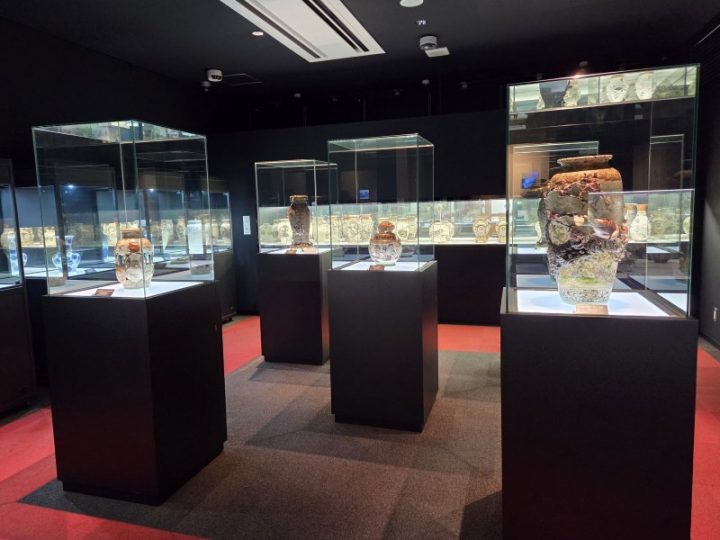
The first Kozan was born in 1842 (Tenpo 13) in Makuzugahara, Kyoto (near present-day Maruyama Park), as the fourth son of a family of potters who had been making pottery for generations. His father was Miyagawa Chozo, a master craftsman who was active in Kyoto during the late Edo period. He went by the names of the ninth generation Chawanya Chobei and Raku Chozo, and was granted the name "Kozan" by Prince Kacho of Chion-in Temple and the name "Makuzu" by Prince Yasui.
—Why did you move from Kyoto to Yokohama? What led you to become the first Kayama?
From a young age, he loved antiques and naturally acquired the skills to appraise them, becoming knowledgeable about Japanese and Chinese ceramics. He also studied painting from around the age of 12, growing up in a privileged environment where he cultivated the skills necessary for a potter. However, in 1860, at the age of 19, he lost both his father and older brother in quick succession and inherited the family pottery business.
The catalyst for Koyama's eventual departure from Kyoto to Yokohama was an invitation from Satsuma in 1870 (Meiji 3), when he was 29 years old, to improve Naeshirogawa ware by Komatsu Tatewaki, a samurai of the Satsuma domain. Although this ultimately did not come to fruition due to Komatsu's death, in the same year, at the recommendation of Umeda Hannosuke, a purveyor to the Satsuma domain, he moved to Yokohama to manufacture ceramics for export.
However, unlike the traditional Kyoto, Yokohama at that time had no foundation for pottery making. In 1871 (Meiji 4), Koyama opened the Makuzu Kiln in Fujiyamashita, Ota Village, Yokohama (present-day Kodai, Minami Ward, Yokohama City), but he first had to scramble to find clay to use as raw material. After spending about two years, he finally found the ideal clay in Nashimoto and Hadano in Amagi, Izu, and was able to establish a full-fledged pottery production system.
—After that, you gained attention when you exhibited at the Philadelphia World's Fair.
What particularly astonished the world was the technique of "high relief," which depicts plants and animals with exquisite detail. The powerful forms and delicate colors were highly acclaimed both domestically and internationally for over 30 years afterward.
The first generation Kozan, who created high-quality works while understanding what foreigners wanted and adapting his style to the times, passed away in 1916 (Taisho 5) at the age of 75. Miyagawa Kozan's Makuzu ware was passed down to the second and third generations, but the kiln was forced to close after suffering significant damage in the Great Yokohama Air Raid at the end of World War II. Makuzu ware is said to be a "phantom pottery."
Learn about its history at the museum.
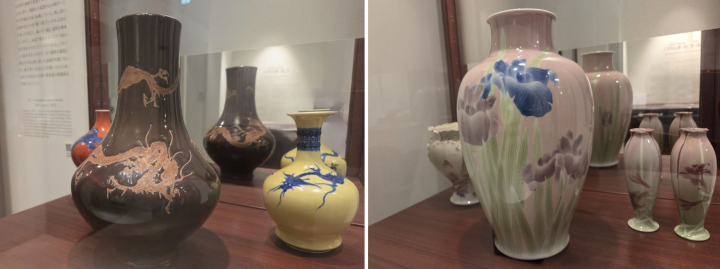
At the Miyagawa Kozan Makuzu Museum, you can see a selection of Makuzu ware, a type of pottery loved around the world. The sight of masterpieces that have returned to Japan from France, England, America, and other countries is truly impressive. This time, we spoke with a staff member of the museum about the highlights of the exhibition.
—The exhibition tracing the history of creation, centered around the first generation Koyama, was very impressive.
The first generation Kozan produced many works before encountering the technique of "high relief." In the early days of the Ota kiln, he also produced ceramics using the common gold decoration techniques associated with Satsuma and Kyoto. The exhibition aimed to show the evolution of his style over time.
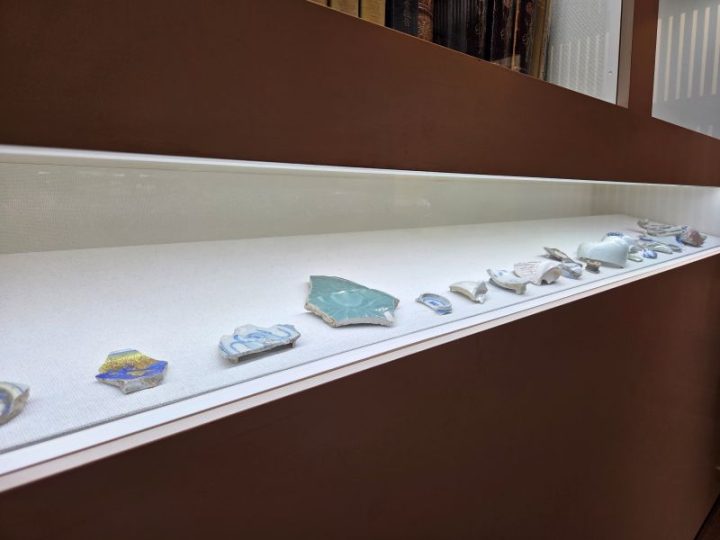
—The fragments unearthed from the kiln site that still remain today were also very interesting.
In what is now Minami Ward, Yokohama City, there was once the Makuzu Kiln, which boasted an area of 1,000 tsubo (approximately 3,300 square meters). Although only brick walls remain today, when the ground is excavated for construction, many fragments are unearthed. It is said that Koyama would destroy his works on the spot if he was not satisfied with the finished product, so the fragments of pottery that remain like gravel may be evidence of his passion for creation.
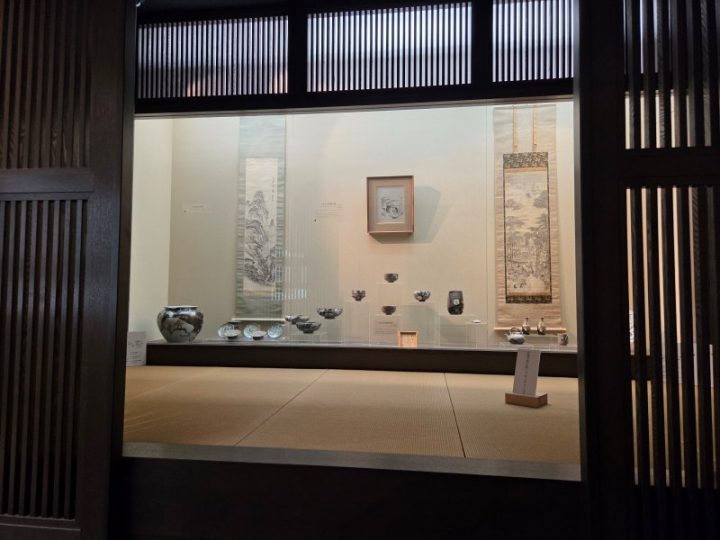
—The Japanese-style exhibition room viewed through the lattice is also unique, isn't it?
You can leisurely admire reproductions of Ogata Kenzan's works and hanging scrolls painted by Kozan while sitting on a raised tatami-floored platform. Please also make use of the historical documents and explanatory translations provided via QR codes.
I was captivated by the overwhelming collection of works.
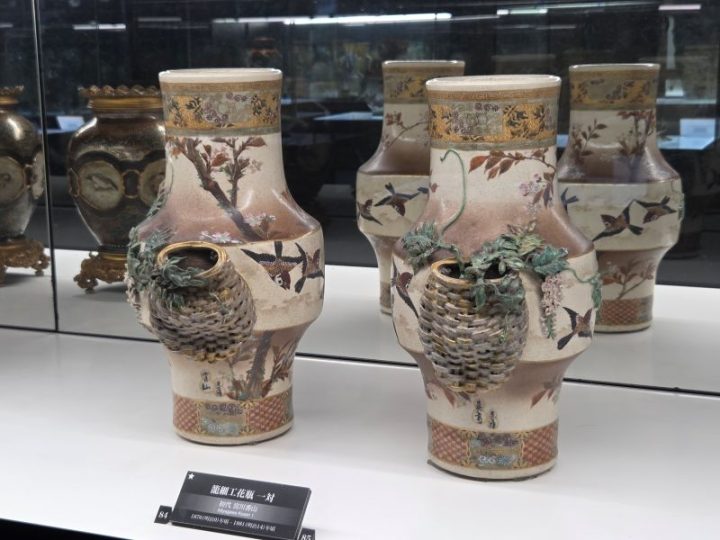
In the final exhibition room, you can see works by the three generations of the artist.
You'll want to take a walk around the artwork, look at its reflection in a mirror to see the back, and enjoy every aspect of the newly acquired pieces from both Japan and abroad.
The museum also displays "Rōkan-yū Kanitsuki Kabin" (a vase with a crab and jade-colored Rōkan glaze), a posthumous work created by the first generation Kōzan shortly before his death. A crab crawls around in a vase encased in jade-colored Rōkan glaze. It was a magnificent piece whose impression changed depending on the light and shadow.
Text by Mai Shimura (Editor/Writer)
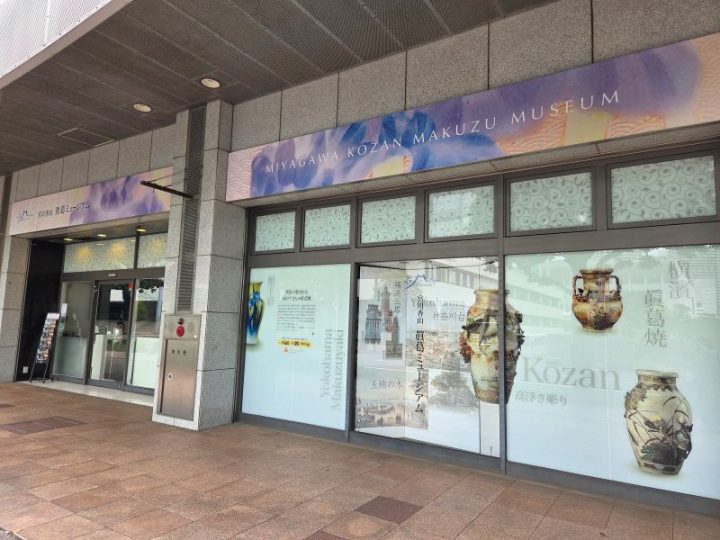
Miyagawa Kozan Makuzu Museum
Address: 6-1 Sakae-cho, Kanagawa-ku, Yokohama City, Yokohama Portside Roa Building 3, 1F-2
Phone number: 045-534-6853
Opening days: Saturdays and Sundays (however, closed during the New Year holidays, etc.)
Opening hours: 10:00 AM - 4:00 PM
Admission fee: Adults 1,000 yen, junior and senior high school students 700 yen, elementary school students and younger free
The official website is here.