The Magic of Music and its Artists: J.S. Bach's "Unaccompanied Cello Suites"
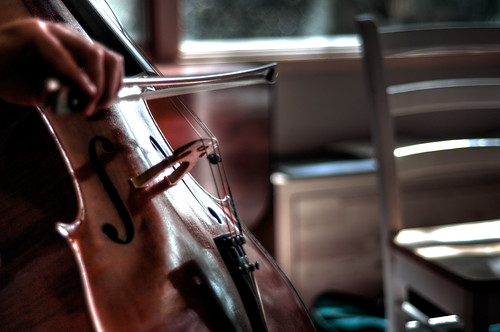
Enjoy a life with concerts !
File 8: J.S. Bach's " Unaccompanied Cello Suites "
Mori Mitsusaburo ( music writer)
In 1890, 13-year-old Casals discovered an old sheet music book in a music shop in Barcelona. Turning the pages of this little-known score, he was instantly enveloped in the magic of music, both intensely and gently.
The rediscovery of the masterpiece "Unaccompanied Cello Suites".
Although I may have embellished it slightly, Pablo Casals was a musician who recognized the artistic value of a collection of pieces that were treated at the time as merely "etiquette for improving one's instrumental skills," and made it known to the world through his own magnificent performances.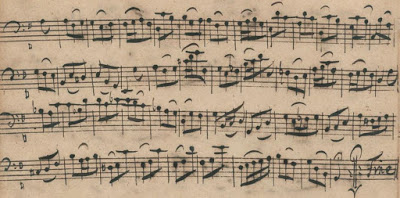
"The complete six unaccompanied cello suites" by Johann Sebastian Bach, the "father of music."
There are six suites, each consisting of six songs. They were created approximately 300 years ago.
There is hardly a cellist who doesn't play this piece. In fact, the ultimate dream of every cellist is to play this piece in heaven in front of Bach and receive his praise. It is often even called the "Old Testament of the cello."
Even Bach had a tough time...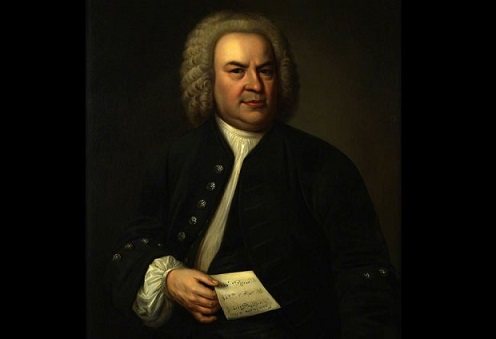
* J.S. Bach (1685–1750)
This song is so frequently used as background music that many people are probably familiar with it. What I want to draw attention to is the fact that it is often used as music for contemporary dance. In other words, cutting-edge sensibilities and audiences need the power of music composed 300 years ago.
Nevertheless, Casals' Bach recordings from the 1930s are magnificent. His Bach is so rigorous, almost ascetic. I would have loved to experience a live performance by Casals just once. That is one of my personal, unfulfilled dreams.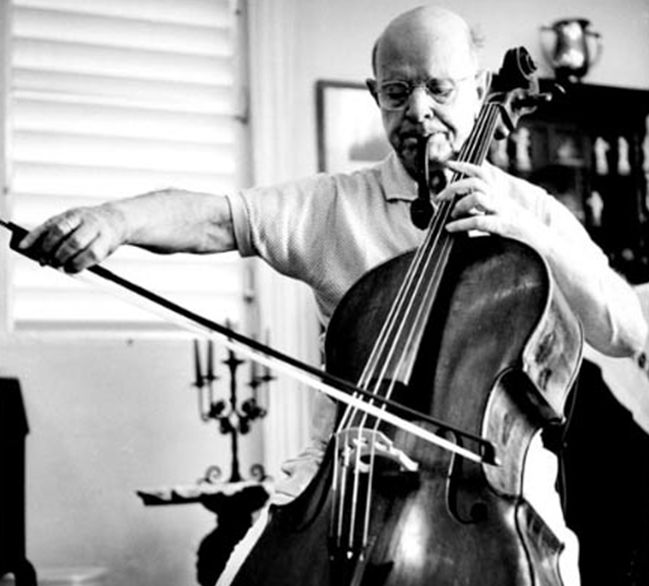
* Pablo Casals (1876–1973)
What if Casals had never encountered Bach's scores?
Let me ask you this nonsensical question. It's from a much later era, but there is a musician I believe would have surely rediscovered this masterpiece. Anner Bylsma, the great master of the Baroque cello, who sadly passed away this July. He was one of the key figures in the movement known as "period instrument performance" or "original instrument performance," which became popular in the latter half of the 20th century.
The numerous acclaimed recordings and performances, developed with the idea of rediscovering the true essence of a piece by incorporating the instruments and performance styles of the era in which it was composed, have revolutionized the classical music industry.
On a harpsichord, not a piano.
The orchestra is smaller and more energetic.
Fresh and lively Bach! Mozart! Beethoven! as if the dust that has accumulated over time has been swept away!
The appeal lies in its use of ancient instruments while maintaining a fresh, modern feel!
In this context, Bylsma's Bach performance was, naturally, vastly different from what we had been accustomed to.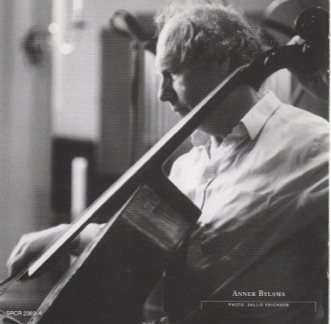
* Anner Bylsma (1934–2019)
Rather than romantically "singing," the performance is more like a conversation. The original dance-like character is boldly incorporated, and the tempo is rather fast. Above all, the polymelodic structure of the piece is revealed, making it more and more interesting the more you listen, and the expression draws you deeper and deeper into the universe of Bach.
"It's like it's forever unfinished."
That's what a friend of mine said about Bylsma, and that's exactly how he seemed in the concerts I've seen him perform at many times.
The joy and bewilderment of witnessing the moment music is born right there. There's something liberating about the atmosphere...
My encounter with Bylsma seems to have changed the way I listen to music. It changed my listening style, which was somewhat authoritarian and had a slight desire for something "ultimate."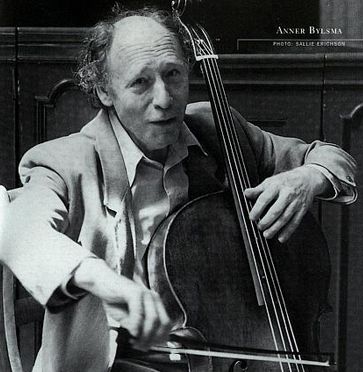
* Anner Bylsma (1934–2019)
I used to wonder if it was appropriate to record "unaccompanied" works or to record Bach two or three times while still in my twenties, but now I don't mind at all. In fact, I love young Bach performers. I welcome not only viola and guitar, but also "unaccompanied cello suites" played on marimba and saxophone. Everyone is seriously tackling Bach, and if the sound is different, you might discover a new charm in the music.
Come to think of it, after my Bylsma experience, when I listened to Casals's performances again, I began to notice subtle and sensitive aspects that I hadn't been able to hear before. Just as music changes over time, so do my ears.
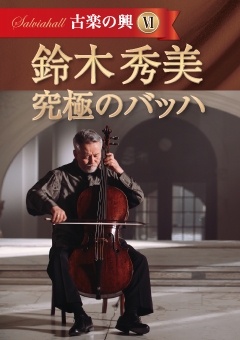
A concert featuring all of Bach's "Unaccompanied Cello Suites" will be held in November and December. The performers will be Hideki Suzuki, a baroque cellist and conductor whom Japan is proud of. Having studied under Bylsma and having extensive experience in the heartland of early music, it will be truly exciting to hear what kind of contemporary performance he will deliver.
While you might not get to hear any witty banter, you'll be able to enjoy watching him play the Baroque cello—an instrument without a floor-mounted pin—by holding it between his knees.
I definitely want to go, as a tribute to Mr. Bylsma.
Master Bylsma, who had been in poor health for a long time and passed away without ever visiting Japan for some time, is someone I will never forget the time I met him backstage after one of his concerts.
The feeling of the hand that was signed and shaken.
I tried to get an autograph from his wife, violinist Vera Beth, but she was chatting with someone who seemed to be a friend. I hesitated and waited, but she kindly encouraged me, saying, "It's okay, go ahead and ask."
I received many treasures.
This event has ended.
Early Music Rebirth VI
Hideki Suzuki's Ultimate Bach
Complete Cello Suites Concert ( Part 1 )
[Date and Time] Saturday, November 2nd, 2:00 PM - 4:00 PM (Doors open at 1:30 PM)
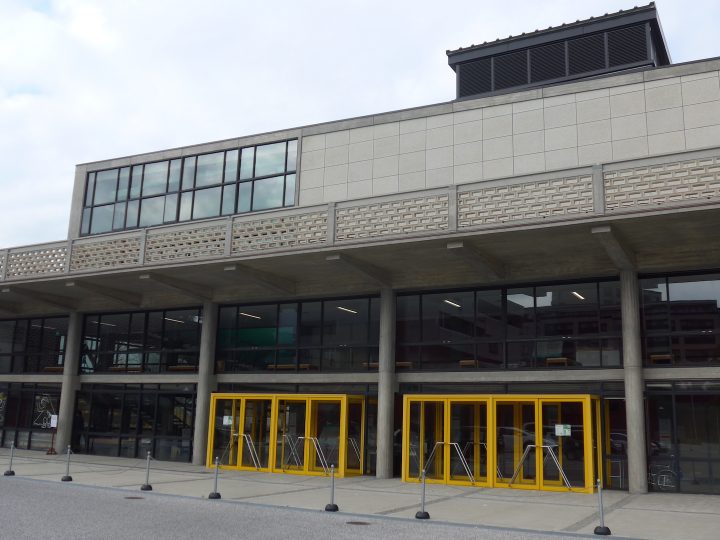
[Venue] Tsurumi Ward Community Cultural Center, Salvia Hall, 3rd Floor Music Hall