[Connecting Picture Books 01] 'Rabbit Island': A Message Over 80 Years Later
Did you know that there was once an island in Japan that was erased from maps?
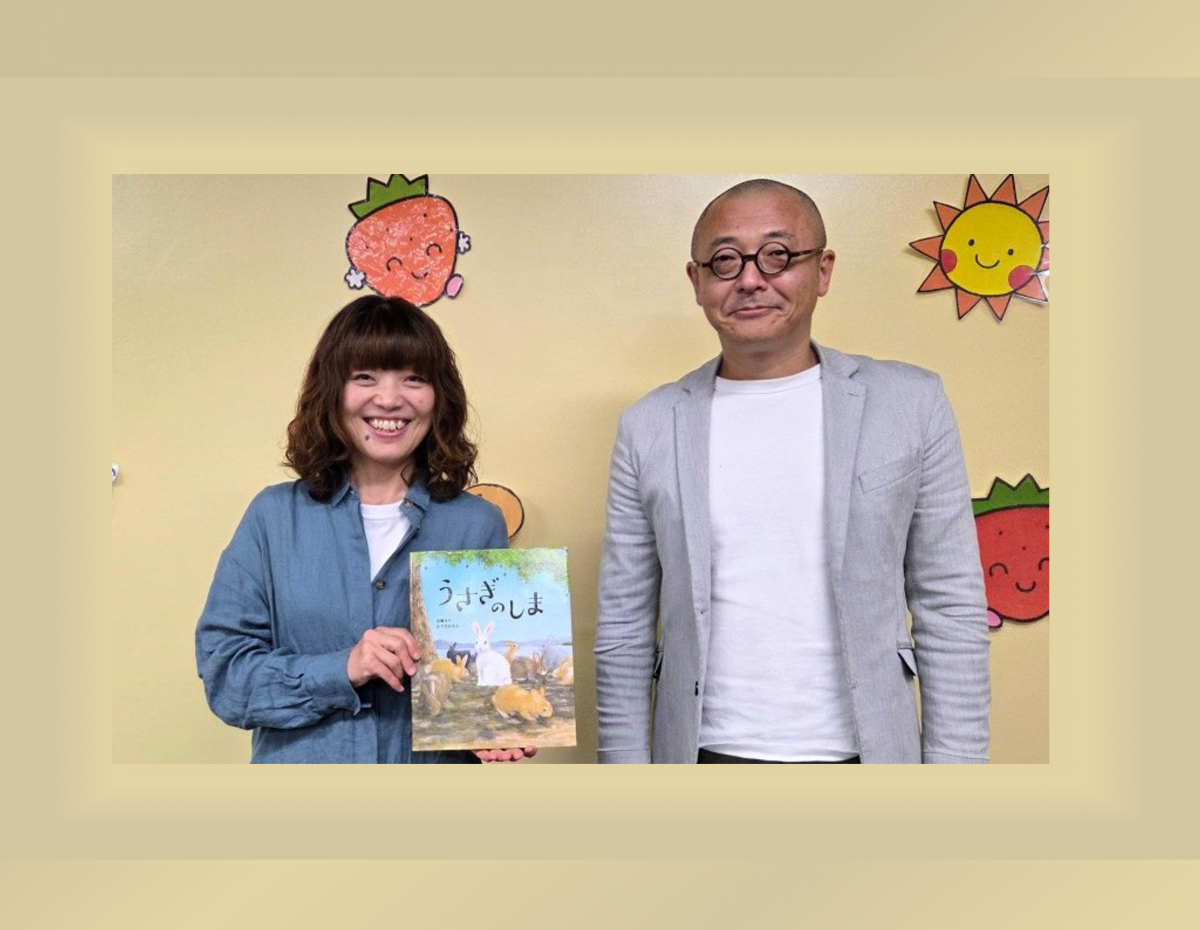
Okunoshima, located in Hiroshima Prefecture, is a small island in the Seto Inland Sea with a circumference of about 4 km. In 2025, the 80th anniversary of the end of the war, a picture book titled "Rabbit Island," set on this island, was published. This time, we spoke with the author, picture book writer and illustrator Eri Kondo, who was born in Kanagawa Prefecture, and painter and picture book author Hiroshi Tateno, about the thoughts they put into their work.
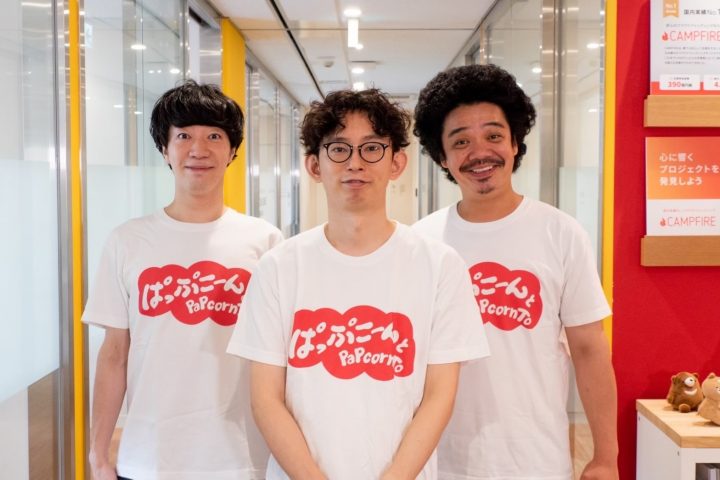
(Top image: From left, Eri Kondo and Hiroshi Tateno / Interview cooperation: Hiratsuka Central Library)
Things you and your children should know about Okunoshima Island
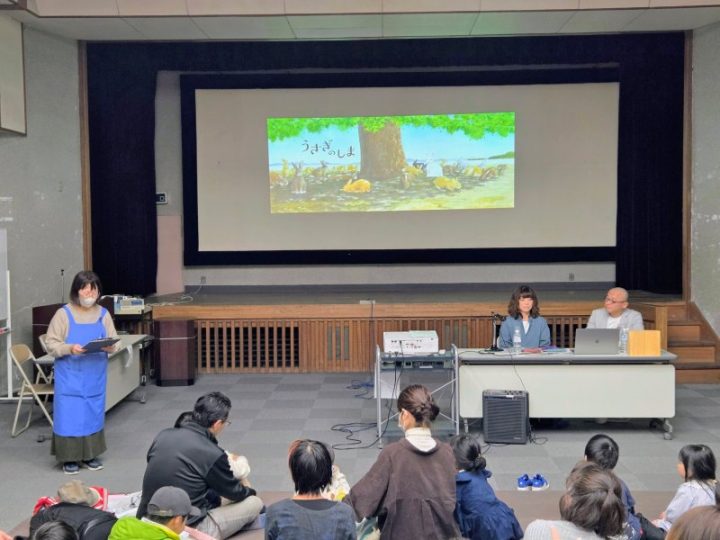
On November 29, 2025, a storytelling and talk event titled "Rabbit Island - It's Not Just Cute" was held at Hiratsuka Central Library, featuring Ms. Kondo, Ms. Tateno, and elementary school children and their parents.
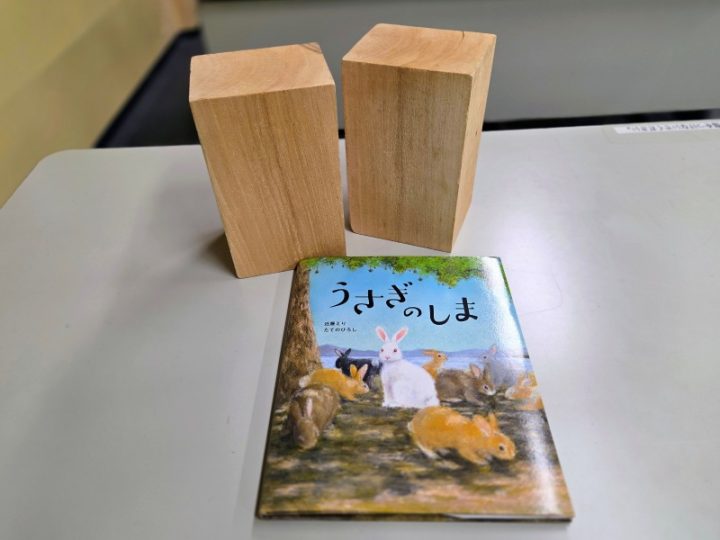
Following the opening remarks, Ms. Kondo began reading aloud. The cover of the picture book projected onto the screen showed rabbits freely enjoying themselves under a plane tree. One white rabbit was staring intently at us.
The film depicts the current state of Okunoshima Island, affectionately known as "Rabbit Island," where beautiful seas, abundant nature, and the interactions between many tourists from Japan and abroad and the rabbits. In this setting, a parent and child discover that white rabbit.
"Is that child's mother also pale?" "And her father?"
A child's question changes the seemingly peaceful story.
Rabbits brought to the island during the war
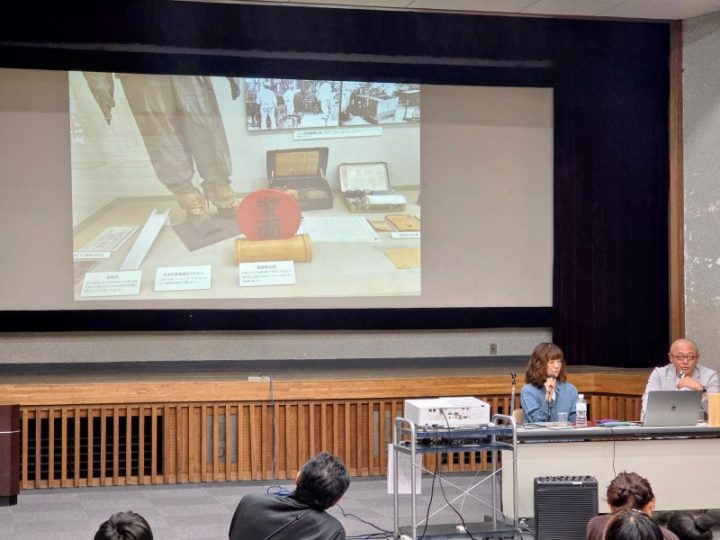
—What was the inspiration for creating "Rabbit Island"?
Kondo's mother started keeping a "stray rabbit," which is how she learned about their existence and the problems associated with them, and she wanted to create a picture book about them. At the same time, she was struggling with her own artistic style, so she was drawing rabbits in different styles at a picture book specialty store in Jinbocho and exhibiting and selling her work in preparation for her picture book about stray rabbits. It was then that Tateno-san, whom she had just met, told her, "You should sketch more rabbits," so she decided to go to a "rabbit island" in the Seto Inland Sea, which she only knew by name, and sketch tons of rabbits, and that's when she first researched Okunoshima Island.
I said that I think a painterly touch would be more effective in conveying this theme. My teacher was Chikabo Kumada, who continued to paint before, during, and after the war. He taught me that pictures shown to children should be thoroughly sincere.
Kondo: In response to that, I decided to aim for a more painterly style, using this picture book project as an opportunity, and I challenged myself to try a new style.
—It's clear that you proceeded with great care.
Kondo: While researching, I was surprised to learn for the first time that Okunoshima Island has a history of being a place of perpetrators, having manufactured poison gas in the past. Furthermore, as more and more problems on this island came to light, I felt that "I have to turn this into a picture book," and that's how the creation of the picture book "Rabbit Island" began.
—Were there any difficulties in dealing with war, especially the perpetrators, in a picture book?
I understand this is the first picture book to address Kondo's crimes. Therefore, I visited the island many times, even staying there for a period, to thoroughly research the land and its history and build relationships. I was grateful for the many people who cooperated in the publication process.
I was surprised to learn that the editor, Tate , was a third-generation survivor of the Hiroshima atomic bombing, and that Kondo-san and my grandfather were involved in military operations on Okunoshima Island. It was a chance to learn about my own roots. It's been 80 years since the end of the war, but when the new year comes, it will just become 81 years. The past has led to the present. I realized that everyone is connected to the war, and I want to put all my effort into getting this book out into the world and create it as a team.
A starting point for thinking about history and current issues.
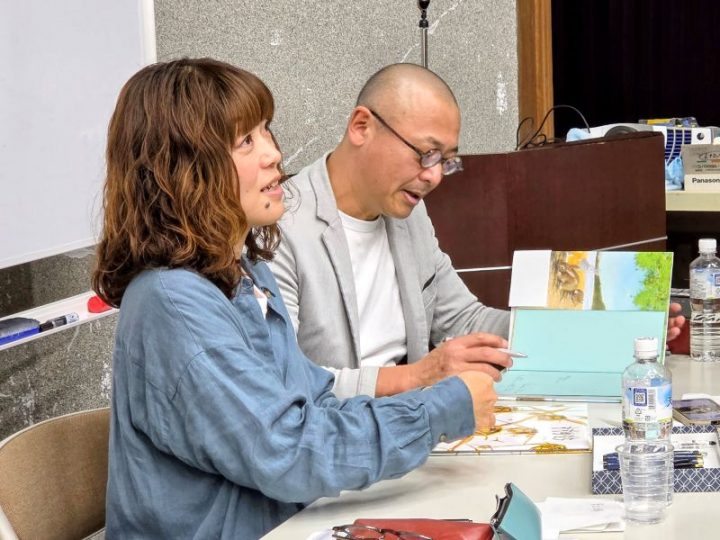
It's not just about how cute the rabbits are! About six months have passed since Kondo finished writing the book, which also raises issues related to "rabbit care," such as feeding the rabbits, as well as the war. "I'm surprised by how many people don't know about Okunoshima Island or what happened there," says Kondo. Tateno also said, "I hope that by reading this book and learning about history, people will think about their own roots, the state of humanity and living things, and broader issues such as tourism and environmental problems."
At the autograph session after the event, it was impressive to see the participating parents and children freely sharing their thoughts with the two authors. At the venue that day was the trunk (lumber) of a plane tree that had watched over the people and made history on Okunoshima Island for decades before being cut down. Now that living creatures that appear in the picture book are disappearing, I sincerely hope that people will pick up a copy of "Rabbit Island."
Text by Mai Shimura (Editor/Writer)
"Rabbit Island"
Published by: Sekai Bunka Publishing Co., Ltd.
Book introduction site: Click here
Eri Kondo (picture book author and illustrator)
Official website: Click here
Hiroshi Tateno (painter and picture book author)
Official website: Click here
Interview cooperation: Hiratsuka City Central Library
Official website: Click here