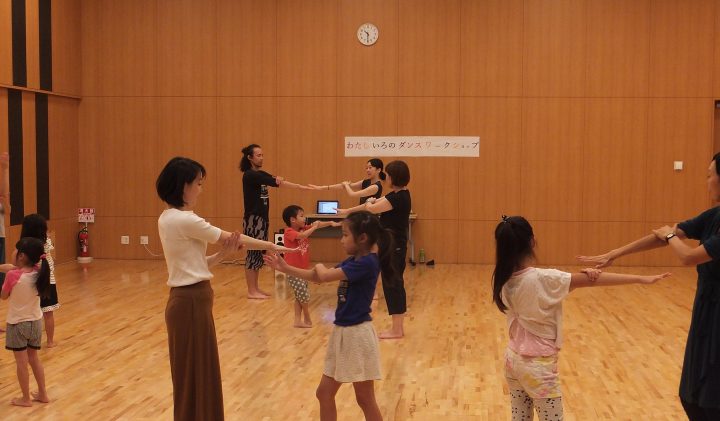
I encountered a Russian play co-produced by Japan and Vietnam in Izumi Ward, Yokohama City.
The place where plays are born
File 8: Uncle Vanya
Koichi Imai (Editor/Writer)
There is an organization called "Theater Without Walls" that operates under the concept of "building mutual understanding as a collaborative entity, regardless of culture, ethnicity, nationality, or affiliation, those involved in performing arts, and aiming to engage with society through theater." Director Takeshi Sugiyama, Hiroyuki Muneshige of the theater company Kuro Tent, stage designer Chika Kato, and actress Hyemi Tsai are among its participants. As an international co-production project between the Theater Without Walls and the National Vietnam Youth Theatre, "Uncle Vanya," a three-year project directed by Sugiyama, will be performed at the Theatre Fonte in Izumi Ward, Yokohama City.
Izumi Ward is interesting because it was once the site of a Vietnamese refugee center and is home to a large number of second and third-generation Vietnamese residents in Japan.
First, I'd like to introduce Takeshi Sugiyama.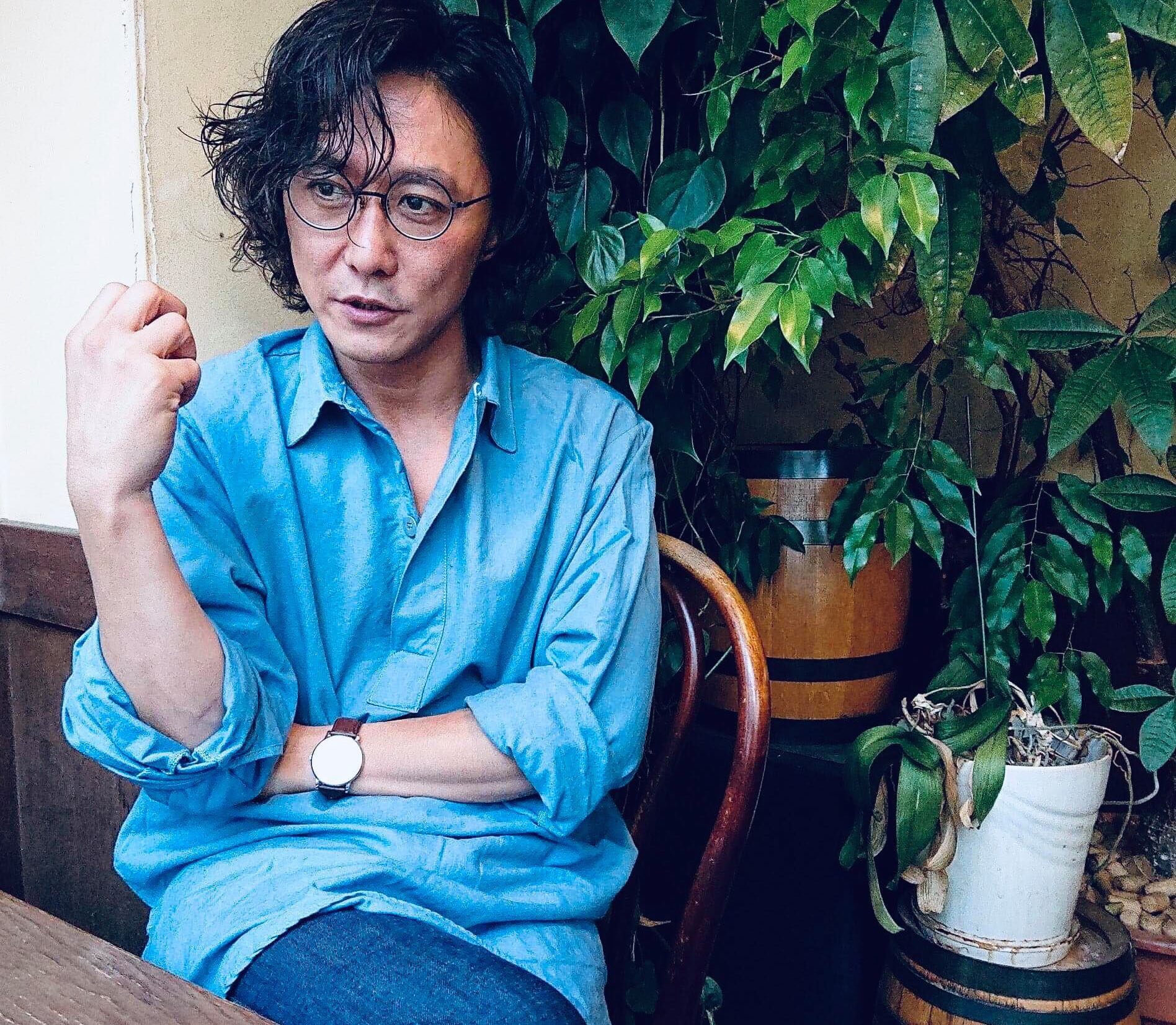
Sugiyama aspired to be an actor and studied under a professor at the Paris Conservatoire in France, who also served as an assistant director to Peter Brook. From 2008 to 2010, he worked as an intern director at the Russian State Mossovet Theatre, where he studied directing under the artistic associate director and director Yuri Elyomin.
Meanwhile, in Japan, he founded the theater company A La Place. After meeting Muneshige and others, and performing in Serbia, he formed the general incorporated association "Theater Without Walls Center" with an eye on participating in overseas festivals and international co-productions. To date, he has mainly conducted theater workshops in Thailand, the Philippines, and Vietnam.
"In 2014, the Japan Foundation organized a program to invite Vietnamese performing arts professionals to Japan for about three months. At that time, I was asked if I could accept actors from the Vietnam National Youth Theatre into a long-term acting training workshop that I was running. It was originally planned to be just one day, but because they enjoyed it so much, it ended up being extended to about a week."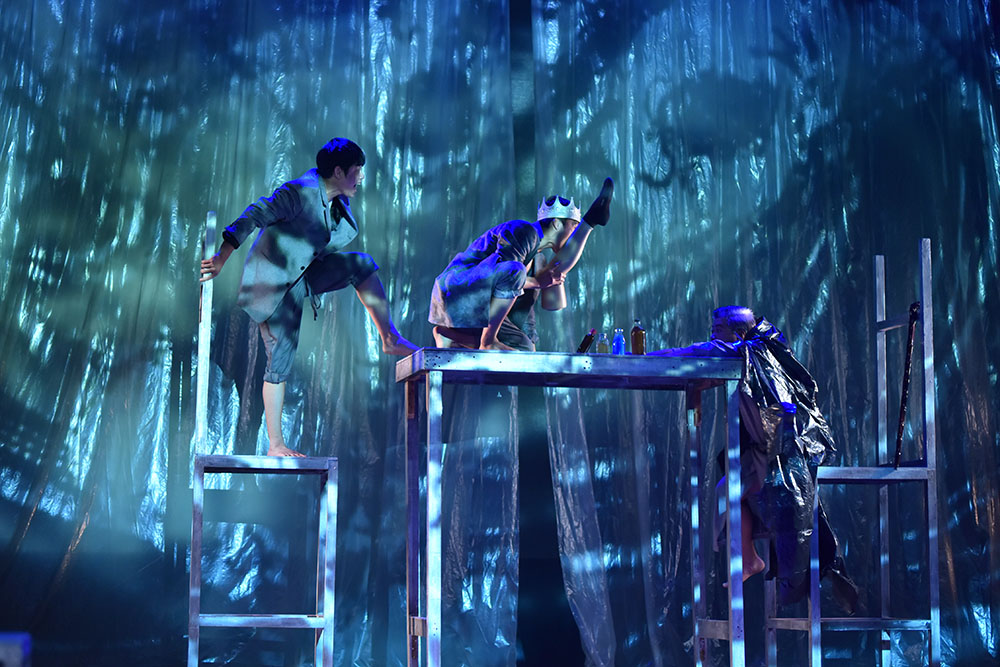
Through that connection, in 2016, Sugiyama's production of Chekhov's "The Seagull" was invited to the Vietnam International Theatre Festival in Hanoi (later also invited to international theatre festivals in Serbia, Bosnia and Herzegovina, and Croatia). There, he reunited with members of the National Vietnam Youth Theatre and conducted workshops. The festival also won the Best Production Award and the Best Director Award. These experiences led to this production of "Uncle Vanya."
"They liked 'The Seagull,' and we decided to create a new work together over three years starting in 2017. In the first year, we shared our creative methods while conducting research and workshops. In the second year, we stayed for about two and a half months to create the work and toured it in Hanoi and other parts of Vietnam. And in the third year, we decided to perform it in Japan, which led us to this year."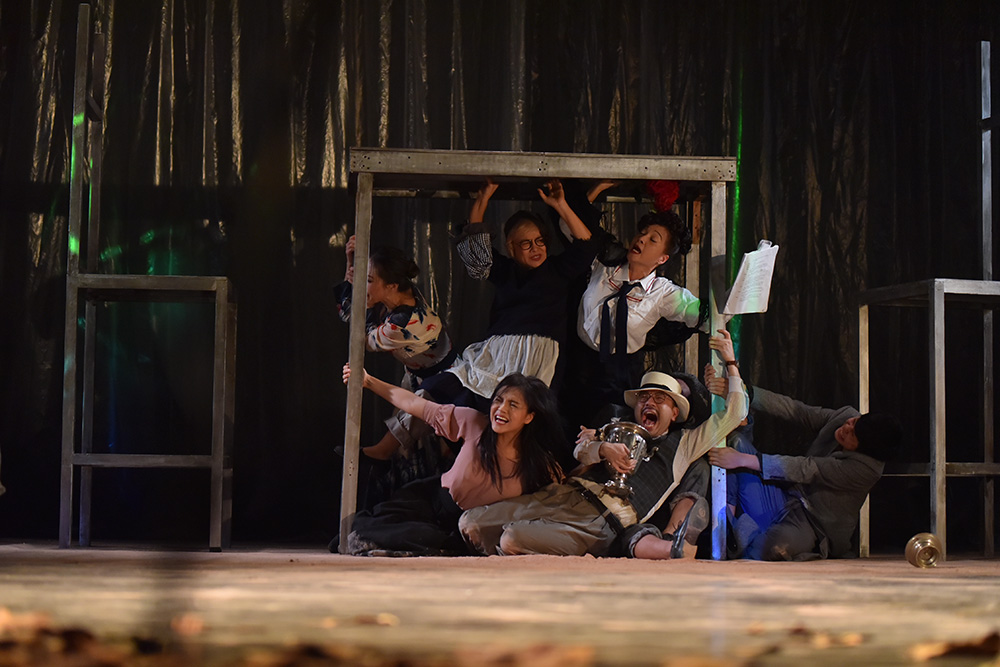 Sugiyama's acting and directing skills have their roots in the Russian Stanislavsky system. In fact, acting education in Vietnam is also heavily influenced by Russia. As a result, there is a common language and understanding, which makes working with him very easy.
"In Vietnam, plays ranging from Shakespeare to modern and contemporary playwrights are performed. However, there's a feeling that something needs to change in order to stand alongside other Asian countries and create a unique identity. And despite the strong Russian influence on theater, it seems that Chekhov had never been performed before. No, I heard that there were several attempts but they were unsuccessful and never came to fruition. One of their goals was to revive Chekhov's works for the modern age and attract interest from young audiences. They liked my 'The Seagull,' from its style and structure to its approach, and that's how we ended up working together. In that sense, this project holds significant meaning for contemporary Vietnamese theater. Because Vietnam has a painful history, I feel a kind of vitality in the Vietnamese people that allows them to overcome it while maintaining optimism. But at its core, there is still sadness. I feel that this is what connects to Chekhov's works."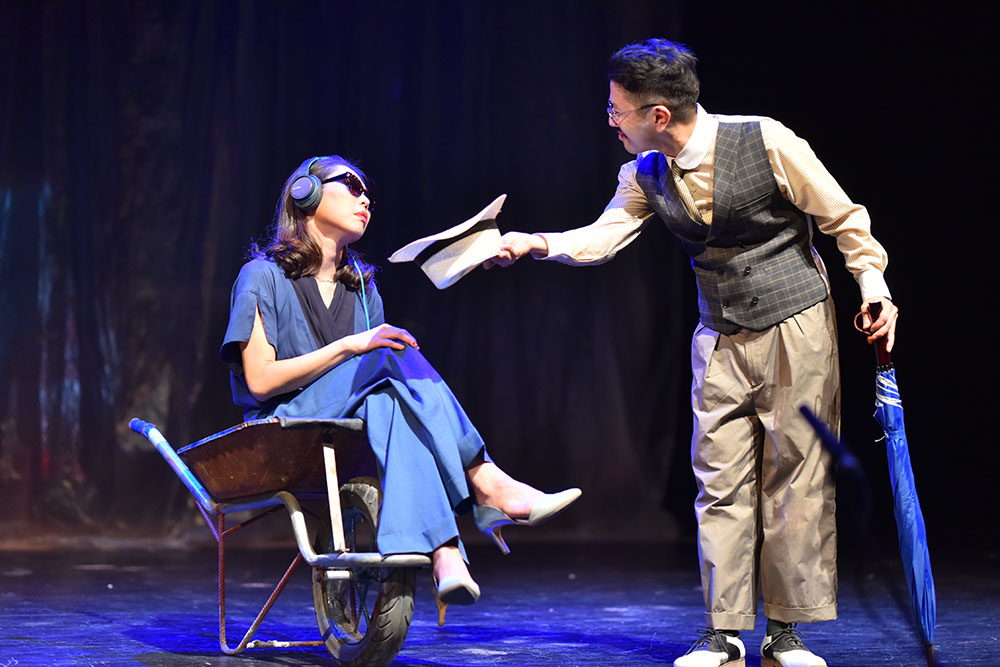 Here's the synopsis of "Uncle Vanya."
For a long time, Vanya, his mother Voynitskaya, and his niece Sonya had been living a peaceful life in their country house with their nanny Marina and lodger Teregin. Suddenly, Sonya's father, Serebryakov, who had retired from his position as a university professor, and his second wife, Elena, arrive. With Serebryakov's physician, Astrov, also involved, life in the house is turned upside down. As the uncontrollable emotion of love intertwines, their lives become passionate and intertwined. Amidst all this, Serebryakov makes a momentous announcement that shakes everyone to their core.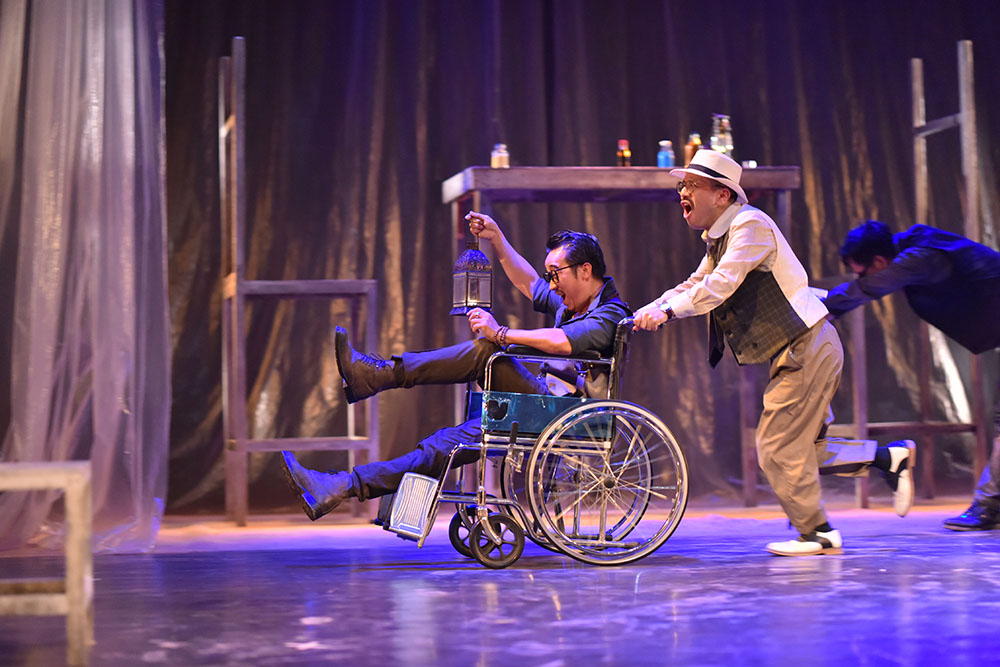
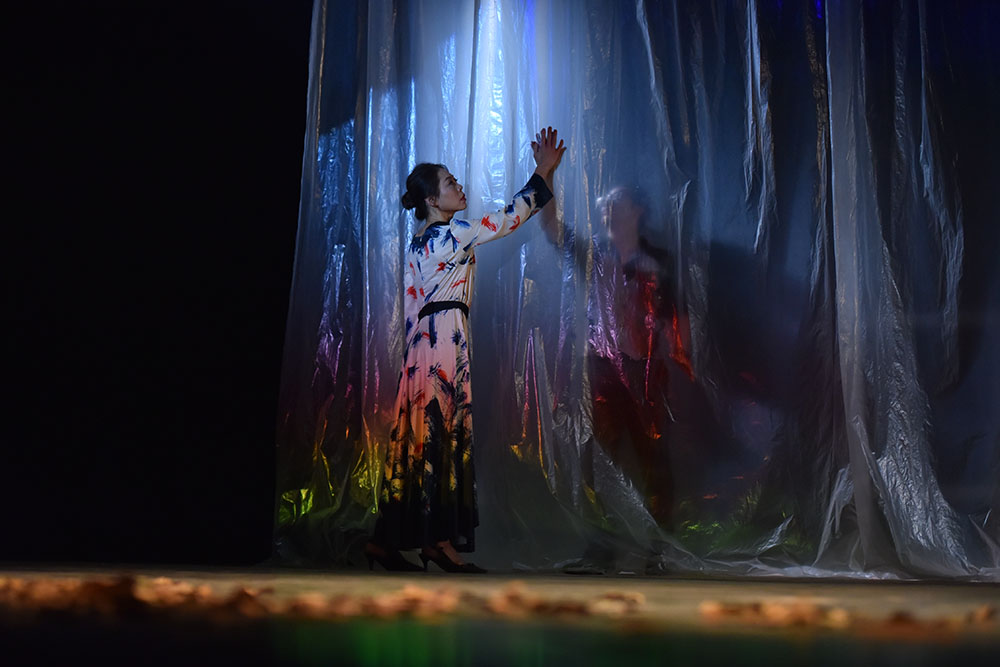
"When you think of Stanislavski, you might have a strong impression of realistic, visceral realism. But my direction, while of course respecting the original work to the fullest extent, is characterized by a modern visual, auditory, and emotional approach, and a variety of expressions that make full use of metaphors, in order to reach today's audience. I see 'Uncle Vanya' as a story of two people with different worldviews: one who seeks true beauty and the other who seeks the beauty of vanity. I wanted to express in every way possible that it is impossible for them to understand each other and to coexist or live in harmony. Those who seek true beauty value the fundamental and primitive aspects of humanity, that is, connections such as loving people and living together. In contrast, those who seek the beauty of vanity are self-centered people from the city who desire their own status, fame, and technological advancement, and have forgotten that their lives depend on coexistence with others. I explored with the actors what kind of metaphorical expressions are possible to depict the difference between the two, with the aim of leaving as much as possible to the audience's imagination."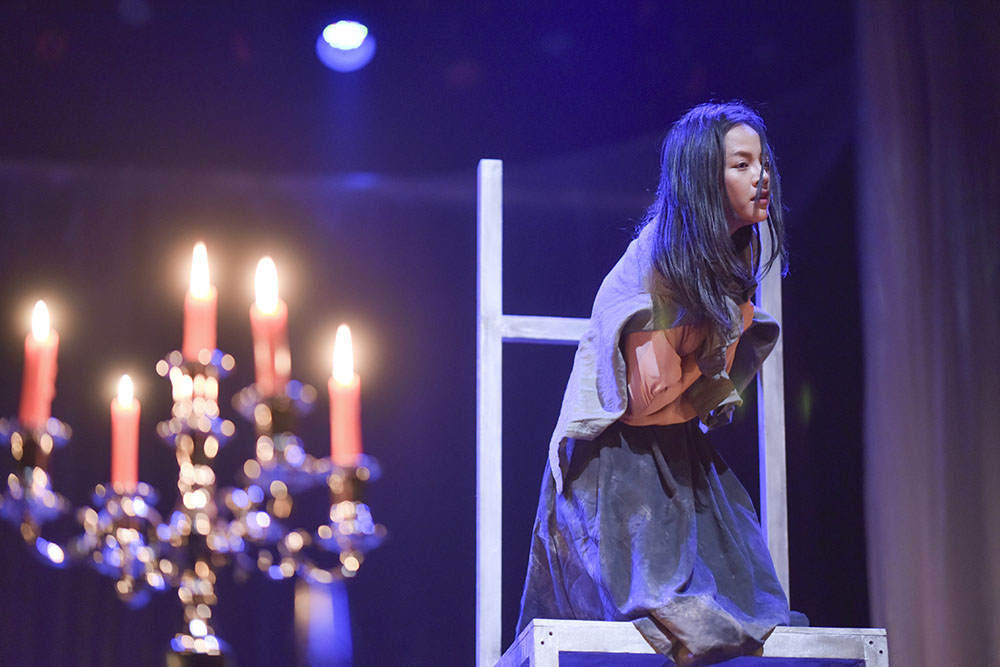
In Vietnam, too, Chekhov's works tend to be associated with dark, gloomy, and boring images. This is why they are not easily accepted by theater fans, but Sugiyama's direction is passionate, dynamic, and fast-paced. This production of "Uncle Vanya" has been performed as part of the official repertoire of the Vietnam National Youth Theatre since 2018. And in October, news arrived that it had won the Best Production Award and Best Leading and Supporting Actor Awards at the Vietnam International Theatre Festival, which featured 21 works from eight countries: Hungary, Israel, India, South Korea, China, Singapore, Greece, and Vietnam.
"Winning this award has further strengthened my belief that Japanese audiences will also enjoy our performance. I think that Vietnamese performing arts are not very well known in the Japanese theater world, so I sincerely hope that this will be an opportunity to showcase their high quality and appeal. Furthermore, there are now many Vietnamese people working in Japan, so I would be happy if this performance could serve as an opportunity to draw attention to them."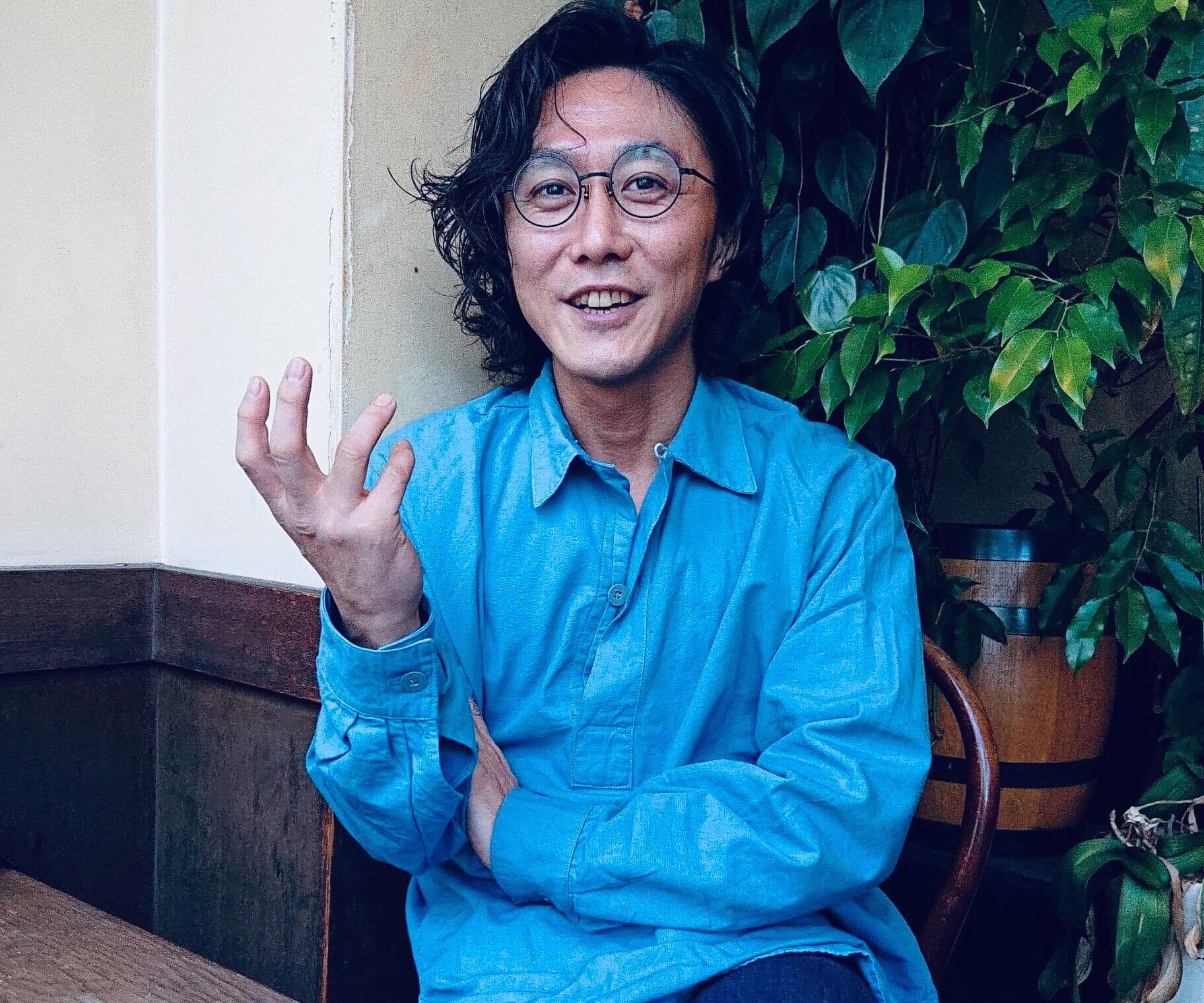
This event has ended.
Japan-Vietnam Contemporary Theatre Joint Project
Uncle Vanya
[Date and time] Tuesday, November 26, 2019 Doors open at 14:30 / Performance starts at 15:00
[Venue] Yokohama City Izumi Ward Community Cultural Center Theatre Fonte
[Author] Anton P. Chekhov
[Translation] Kiyoshi Kanzai
[Direction/Composition] Tsuyoshi Sugiyama
[Art] Chika Kato
[Dramaturg/Planner] Hiroyuki Muneshige
[Cast]
Le Khanh, Duc Que, Thanh Binh, Quynh Duong, Thu Quynh, Phuong Thuy, Thanh Duong, Thu Wine, Manh Hoang, Cai Hyemi, Takashi Matsuda, Kiyotaka Nishimura, Asaki Nakamura, Tung Anh
[Tickets (All seats reserved, tax included)] General admission: 3,000 yen / On the day: 3,500 yen, Students and foreign nationals: 1,500 yen
*Children under school age are not permitted to enter.
[Ticket reservations and sales] Ticket Kanagawa Tel. 0570-015-415 (10:00-18:00)
[Inquiries] K Planning TEL. 03-3419-6318
《Travel information》
[Date and time] November 22nd (Friday) to November 24th (Sunday), 2019
[Venue] Theatre Tram (Setagaya Ward, Tokyo)