Places associated with the Kamakura Shogunate – A tour of places associated with Miura Yoshizumi and Wada Yoshimori
About six months after the start of the NHK Taiga drama "The 13 Lords of Kamakura," Minamoto no Yoritomo, the shogun of Kamakura, achieved his long-held ambition of overthrowing the Taira clan, and a political system centered around Minamoto no Yoritomo began.
This article introduces places associated with the Miura clan (Miura Yoshizumi) and the Wada clan (Wada Yoshimori), two of the 13 influential samurai families, who were rooted in the Miura Peninsula of Kanagawa Prefecture.
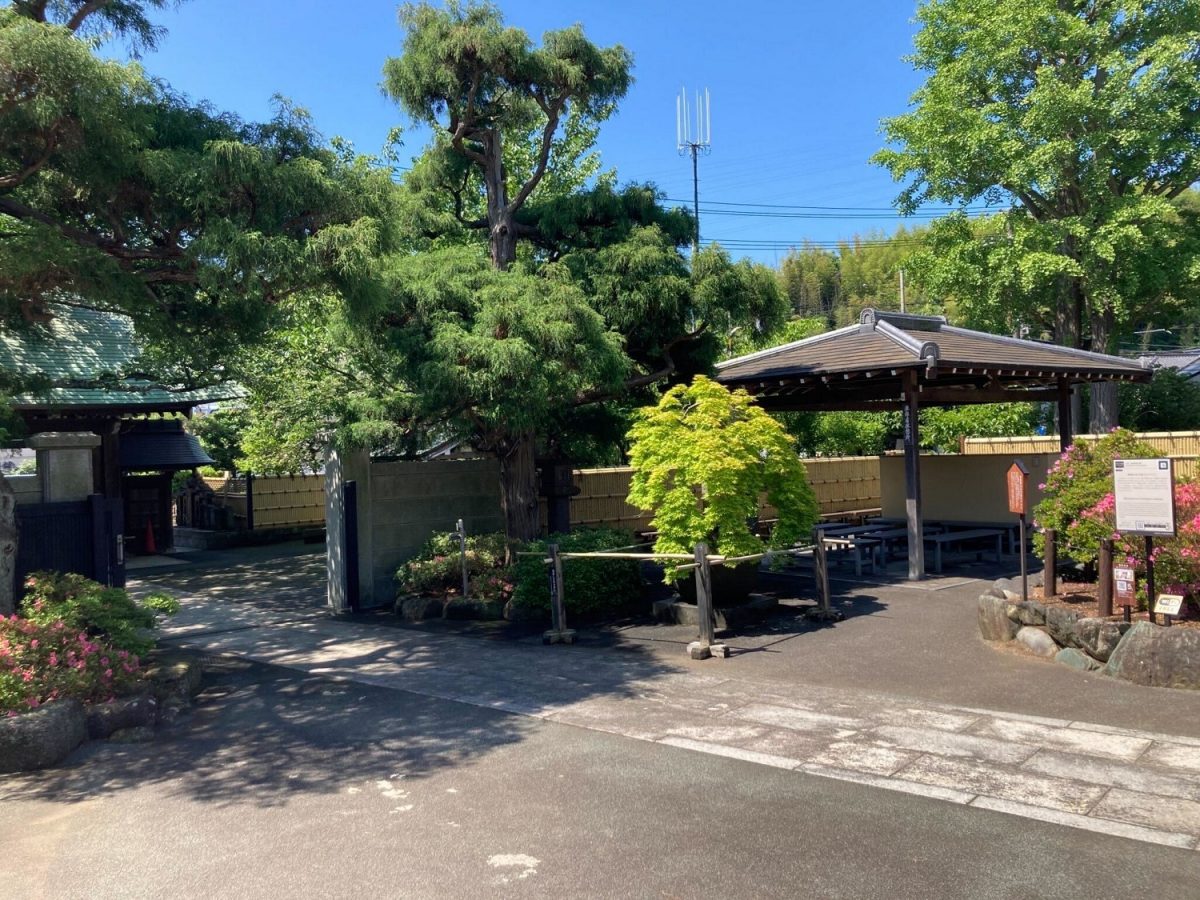
Spot 1: Places associated with Miura Yoshizumi: Manshoji Temple, Yakuoji Temple Ruins (Miura Yoshizumi's grave), Chikata Shrine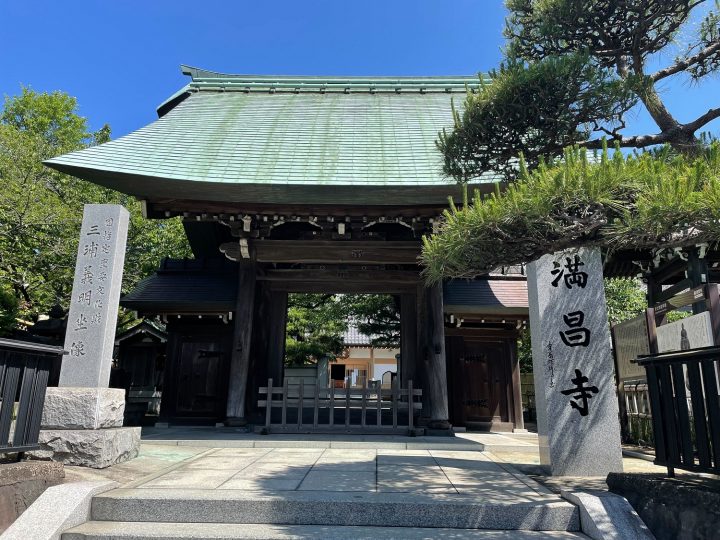
Manshoji Temple in Yokosuka City is listed as having been founded by Miura Yoshiaki, the father of Miura Yoshizumi, but it is said that it was actually founded by Minamoto no Yoritomo.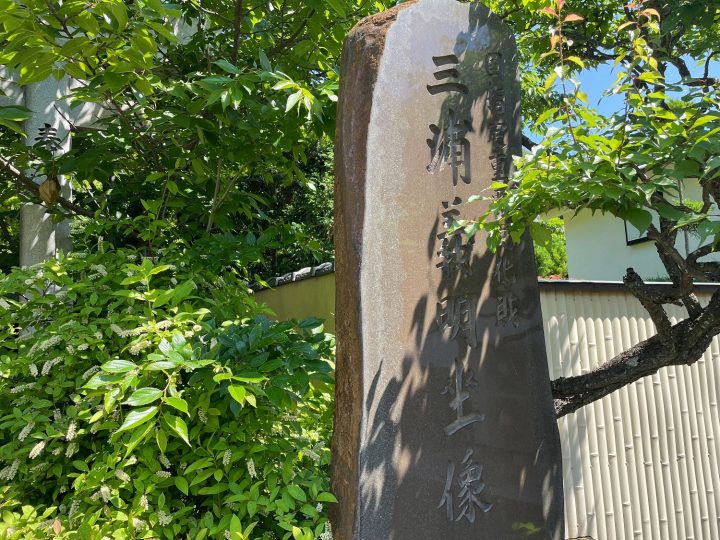
Minamoto no Yoritomo never forgot his gratitude to Miura Yoshiaki, who raised an army in response to the Battle of Ishibashiyama and died in the series of battles, and he named Yoshiaki the founder of the temple.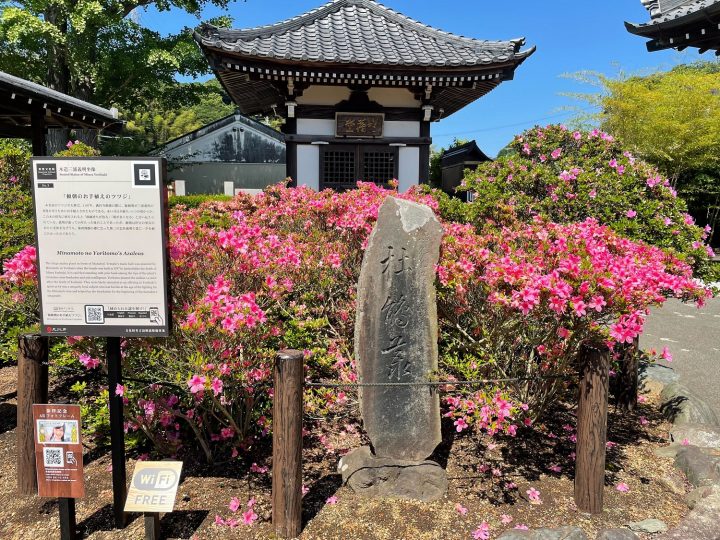
In front of the main hall, there are azaleas planted by Minamoto no Yoritomo himself, which offers a glimpse into how much Minamoto no Yoritomo trusted and treated the Miura clan with great respect.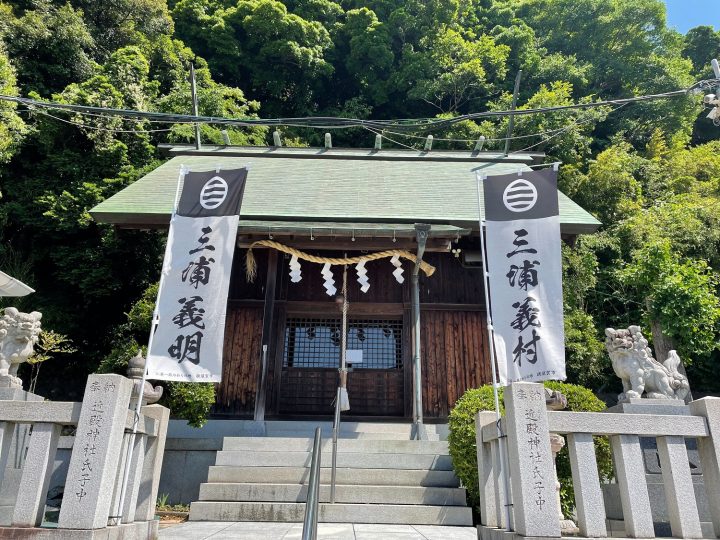
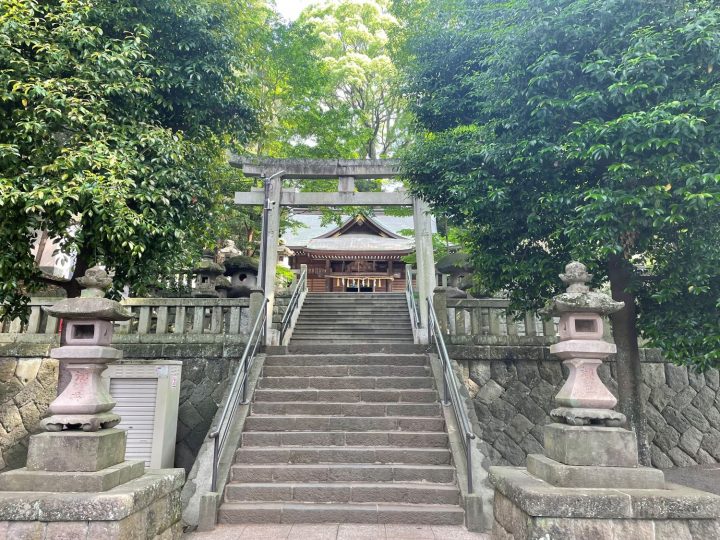
Nearby are the ruins of Yakushiji Temple, said to be the burial place of Miura Yoshizumi, and Chikata Shrine, which enshrines Miura Yoshimura, Yoshizumi's son, suggesting that this area was once a stronghold of the Miura clan.
Manshoji Temple 📍 1-5-10 Oyabe, Yokosuka City, Kanagawa Prefecture
Chikadono Shrine 📍 1-9-3 Oyabe, Yokosuka City, Kanagawa Prefecture
Spot 2: Site associated with Miura Yoshizumi: Abuzuri Castle Ruins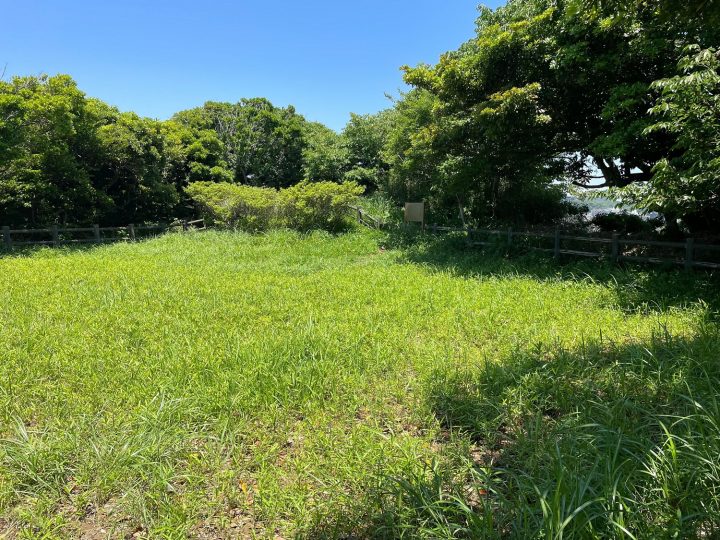
It is said that Abuzuri Castle once stood on a small hill near Hayama Marina, across the road from Hikage Chaya. The hill opens up into a flat plain, but there are hardly any traces left to give us a glimpse into what the castle was like in those days.
It is said that the name Abuzuri (meaning "stirrup scraping") was given because when climbing to the castle, it was necessary to ascend such a steep slope that the horses' stirrups would scrape against the ground.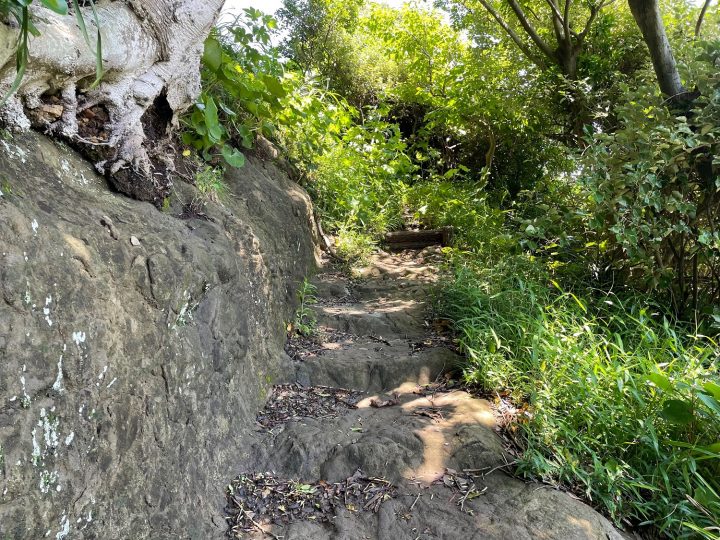
Abuzuri Castle is said to be the place where Miura Yoshizumi, who was unable to join the Battle of Ishibashiyama, raised his banner and encouraged his allies when he fought against the Oba army. It is also said to be the place where Ito Sukechika, who was in charge of guarding Minamoto no Yoritomo after his exile and fought against him at Ishibashiyama, was entrusted and later beheaded. Furthermore, it is said to be the place where Kame no Mae, Minamoto no Yoritomo's concubine, was sheltered after incurring the wrath of Hojo Masako, who burned down her mansion.
📍 Hayama Town, Miura District, Kanagawa Prefecture
Spot 3: A place associated with Wada Yoshimori: Shirahata Shrine (Miura City)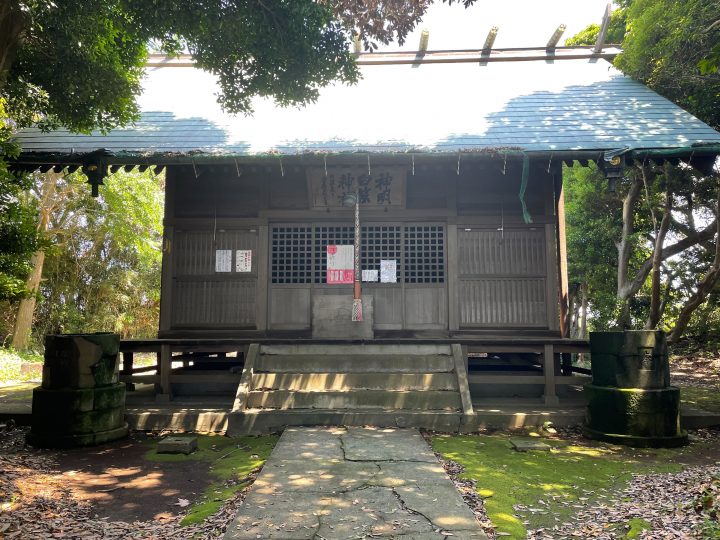
In Wada, Hasse-cho, Miura City, which was part of Wada Yoshimori's territory, there is the Shirahata Shrine, where Wada Yoshimori, the first head of the Samurai-dokoro (Board of Retainers), is enshrined as Shirahata Myojin.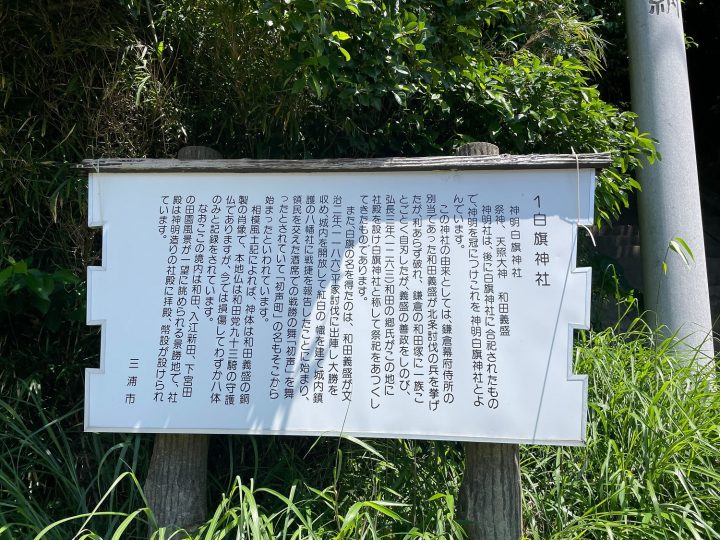 Wada Yoshimori, who was defeated by Hojo Yoshitoki in the Battle of Wada and met his end with his family at Wadazuka in Kamakura, is said to have had this monument erected by the villagers of Wada in remembrance of his benevolent rule.
📍 1746 Wada, Hatsuse-cho, Miura City, Kanagawa Prefecture
Spot 4: A place associated with Wada Yoshimori: Joraku-ji Temple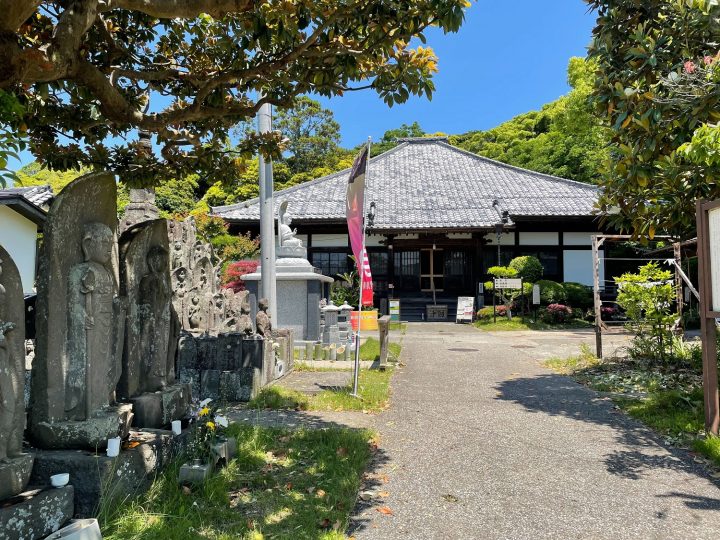
According to legend, when Shōchōju-in Temple, which Minamoto no Yoritomo founded in Kamakura to mourn his father Minamoto no Yoshitomo, was damaged by a typhoon, Wada Yoshimori, in cooperation with Hōjō Masako, moved it to its current location (Ashina, Yokosuka City). It is also said that the purpose was to pray for victory in the conquest of Ōshū, and five Buddhist statues, which are said to have been commissioned by Wada Yoshimori and his wife from Unkei, a Buddhist sculptor who was involved in the reconstruction of Kōfuku-ji Temple in Nara after it burned down and later moved to Kamakura, are enshrined there.
📍2-30-5 Ashina, Yokosuka City, Kanagawa Prefecture
It is said that the Miura family adopted the surname after Miura Tamemichi was granted the Miura region of Sagami Province by Minamoto no Yoriyoshi for his achievements in the Former Nine Years' War.
Wada Yoshimori was from a branch family of the Miura clan, and both the Miura and Wada clans were highly favored by Minamoto no Yoritomo, and the family prospered in the Miura Peninsula, which is close to Kamakura.
However, after the death of Minamoto no Yoritomo, both clans perished amidst the power struggles within Kamakura, but even today, traces of their former power can be seen in Miura and Yokosuka.
Stay tuned for the next episode!
*Please note that there are various theories regarding the content of the column described.
Check out past articles as well.
A tour of places associated with the Kamakura Shogun
Places associated with Hojo Yoshitoki
A tour of places associated with Hojo Tokimasa and Kajiwara Kagetoki